bluename
 How to Recognize Cut Carnation Varieties and Potted Carnation Varieties?
Have you ever received a stunning bouquet of carnations or admired a vibrant potted carnation plant and wondered, “What specific variety is this?” Perhaps you’re a flower enthusiast trying to identify a gift, a home gardener looking to choose the right type for your space, or even a floral industry beginner wanting to deepen your knowledge. Distinguishing between the myriad of carnation varieties can be surprisingly tricky. The key differences between cut carnation varieties and potted carnation varieties lie not just in their intended use, but in their genetics, growth habits, flower forms, and longevity. This guide will equip you with the practical skills to confidently recognize and appreciate the unique characteristics of each type.
Understanding the Carnation Family
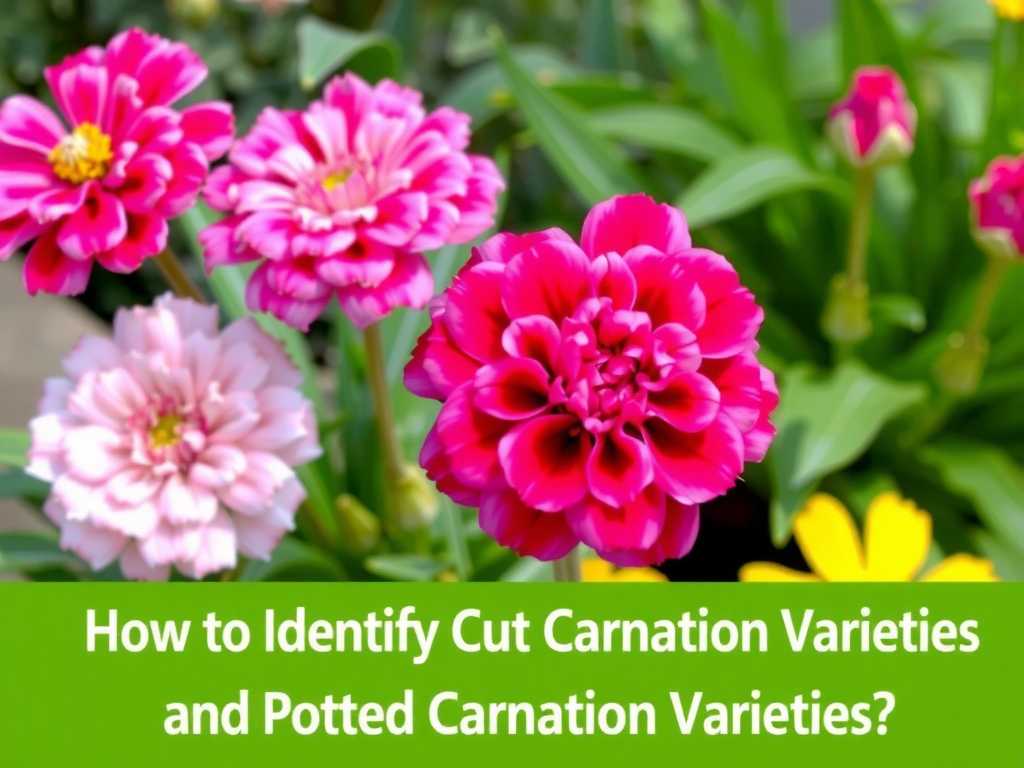
Before diving into identification, it helps to know a bit about the plant itself. Carnations, scientifically known as Dianthus caryophyllus, belong to a large and diverse genus. Through extensive breeding, growers have developed distinct lines optimized for different purposes. As noted by horticultural experts, the commercial carnation market is broadly split into two categories: those bred for long stems and exceptional vase life (cut flowers) and those bred for compact, bushy growth and prolific blooming in containers (potted plants).
This fundamental breeding goal shapes almost every observable trait, from the plant's height and stem strength to the size and number of its blooms. Recognizing this core intention is the first step in accurate identification.
How to Recognize Cut Carnation Varieties
Cut carnations are the aristocrats of the floral world, bred for elegance, stature, and endurance in a vase. They are the stars of bouquets, boutonnieres, and floral arrangements. Here’s what to look for.
Focus on Stem and Growth Structure The most immediate clue is the plant's architecture. Cut carnation varieties are typically grown as single-stemmed, tall plants. They prioritize energy into producing one long, strong, and straight stem per bloom. This stem needs to be robust enough to be harvested, shipped, and arranged without bending. If you see a carnation with a stem longer than 18 inches (often 24 inches or more) that is largely leafless at the lower half, you are almost certainly looking at a cut variety. The plant form is not bushy; it is columnar and focused on vertical growth.
Analyze the Flower Form and Size Cut carnations boast larger, often more elaborate flowers. The blooms are usually solitary at the end of the long stem, making them a focal point. They come in three main flower types that are hallmarks of cut varieties:
- Standard Carnations: This is the classic, large single bloom per stem. The flower head can be 2-3 inches in diameter with densely packed, ruffled petals.
- Spray Carnations (Mini Carnations): A single stem branches into a spray or cluster of multiple smaller blooms. Each individual flower is smaller than a standard, but the overall effect is lush and abundant.
- Dwarf Standard Carnations: A smaller version of the standard bloom, but still presented on a long, single stem suitable for cutting.
The petal edges of cut varieties are often deeply serrated or fringed, adding to their ornate appearance. The colors are incredibly diverse, from solid whites, pinks, and reds to bi-colors and edged varieties.
Assess Longevity and Fragrance Cut carnations are legendary for their vase life. A quality cut carnation can last two to three weeks in water, a trait deliberately bred into them. They also tend to have the classic, spicy clove-like scent that many people associate with carnations, especially the older heirloom and standard types. This fragrance is a key identifier, though some modern spray varieties may be less fragrant.
How to Recognize Potted Carnation Varieties
Potted carnations, often sold as flowering gift plants or border plants, are bred for a completely different performance: to look stunning and bloom profusely in a confined container. They are meant to be enjoyed as a whole living plant.
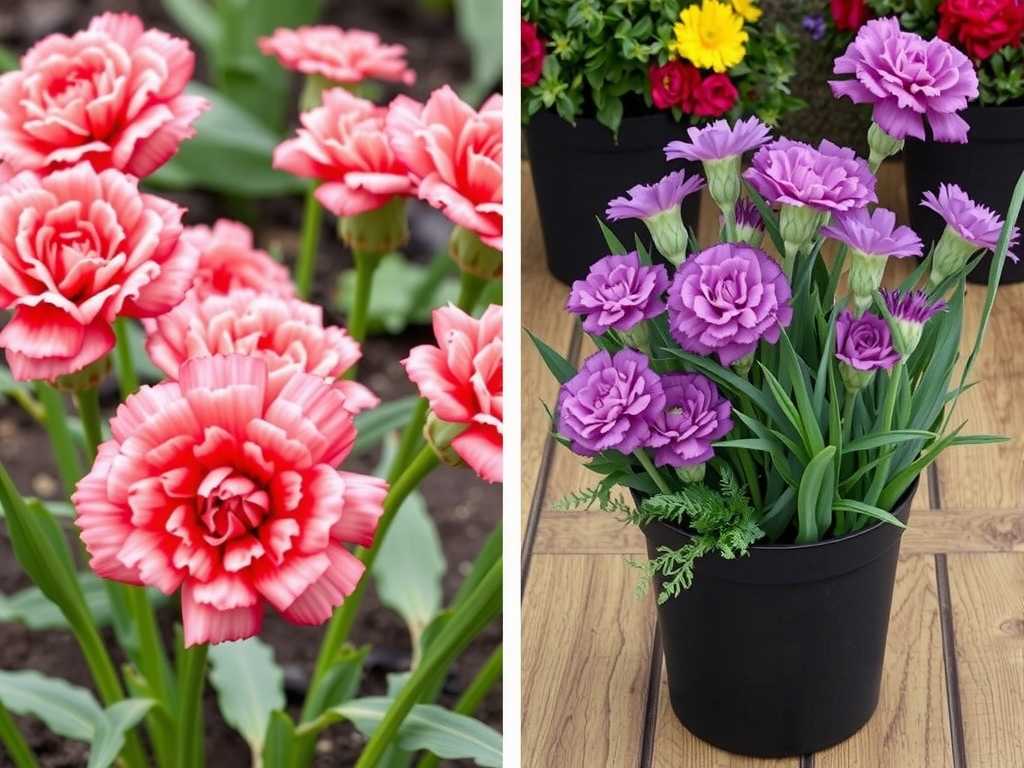
Observe the Plant Habit and Size This is the starkest contrast. Potted carnation varieties are genetically compact and bushy. They are dwarf plants, rarely exceeding 6-12 inches in height. They branch naturally and vigorously from the base, creating a rounded, mounded shape that is covered in foliage and flowers. You will never see the long, bare stems characteristic of cut types. Their entire structure is designed to be attractive in a pot on a windowsill, patio, or garden border.
Examine the Flower Production Instead of one grand bloom per stem, potted carnations produce a multitude of smaller flowers simultaneously. They are flowering machines. The blooms are typically smaller in diameter than cut standards, but they appear in such abundance that they often create a solid cap of color over the green foliage. They may be single or double flowers, but their impact is collective rather than singular. As the University of Florida IFAS Extension points out, these varieties are selected for their "free-flowering" nature and heat tolerance in container settings.
Consider the Lifecycle and Use Potted carnations are generally treated as annuals or short-lived perennials, prized for a season of spectacular color. While some can be planted outdoors, their primary purpose is container display. They lack the stem length and strength for cutting and arranging. Their vase life, if cut, is significantly shorter than that of dedicated cut varieties. Their beauty is in the living, growing plant.
Side-by-S Comparison: A Quick Reference Guide
To summarize the key distinctions, here’s a direct comparison:
- Plant Form: Cut = Tall, single-stemmed, columnar. Potted = Short, bushy, mounded.
- Stem Length: Cut = 18+ inches, sturdy. Potted = <12 inches, branching.
- Flower Size & Number: Cut = Large, solitary or clustered on long stems. Potted = Smaller, numerous, covering the plant.
- Primary Use: Cut = For cutting and floral arrangements. Potted = For container display as a living plant.
- Common Examples: Cut = ‘Everlast’, ‘Mondriaan’, ‘Liberty’ series. Potted = ‘Floral Lace’, ‘Carnation Chabaud’, ‘Telstar’ series.
Frequently Asked Questions
Can I plant a cut carnation from a bouquet and grow a potted plant? It is highly unlikely to succeed. The cut carnation stem lacks roots and is from a plant bred for a single long stem, not bushy container growth. Even if it miraculously rooted, the resulting plant would be genetically programmed to grow tall and lanky, making it unsuitable as a potted plant. It’s best to purchase seeds or starts of varieties specifically labeled for container growing.
Why are my store-bought potted carnations tall and leggy instead of bushy? This is usually due to insufficient light. Potted carnations need full, direct sun (at least 6 hours daily) to maintain their compact, bushy habit. In low light, they will stretch toward the light source, becoming "leggy" with weak stems and fewer flowers. Ensure they have maximum sunlight.
Is there a variety that works well both as a cut flower and a potted plant? While no variety is perfectly optimized for both, some spray or mini carnation types can bridge the gap somewhat. Certain compact spray carnations may be sold as small potted plants and, if left to grow, can produce stems long enough for a small, informal cut bouquet. However, for professional cutting, dedicated cut varieties are superior, and for a stunning patio pot, dedicated potted varieties are unbeatable.
Recognizing the difference between cut and potted carnations enhances your appreciation for both. It begins with observing the plant's overall shape—tall and straight versus short and bushy. Then, examine the stem length and flower presentation. The long-stemmed, large-flowered beauties in bouquets are the result of decades of breeding for endurance and form in a vase. The colorful, overflowing pots of blooms are masterpieces of compact, prolific genetics designed for living decoration. By understanding these breeding goals and key traits, you can now look at any carnation and confidently identify its purpose and variety type.