bluename
 How to Identify Ornamental Chrysanthemum Varieties and Edible Chrysanthemum Varieties?
Have you ever admired a stunning chrysanthemum in a garden or at a florist and wondered, "Can I eat that?" You're not alone. Many gardening enthusiasts and culinary adventurers face the common challenge of distinguishing between purely decorative blooms and those safe for the plate. Misidentification can range from a disappointing culinary experience to potential health risks. This guide is designed to be your definitive resource, clearly outlining the key differences to ensure you can confidently identify ornamental chrysanthemum varieties and edible chrysanthemum varieties, keeping your garden beautiful and your meals safe.
Understanding the Chrysanthemum Family
Chrysanthemums, belonging to the genus Chrysanthemum, encompass a vast array of species and cultivars. Historically, many edible types were classified under Chrysanthemum coronarium (now often Glebionis coronaria), commonly known as garland chrysanthemum or shungiku. Ornamental types, bred for size, form, and color, are typically derived from species like Chrysanthemum morifolium. The primary divergence lies in their breeding objectives: one for visual spectacle, the other for flavor and safety.
Key Identification Features: A Side-by-Side Comparison
Let's break down the distinguishing characteristics. Remember, while these are strong indicators, they are rules of thumb. When in doubt, always source edible varieties from a reputable seed supplier or grocer.
Flower Appearance and Structure
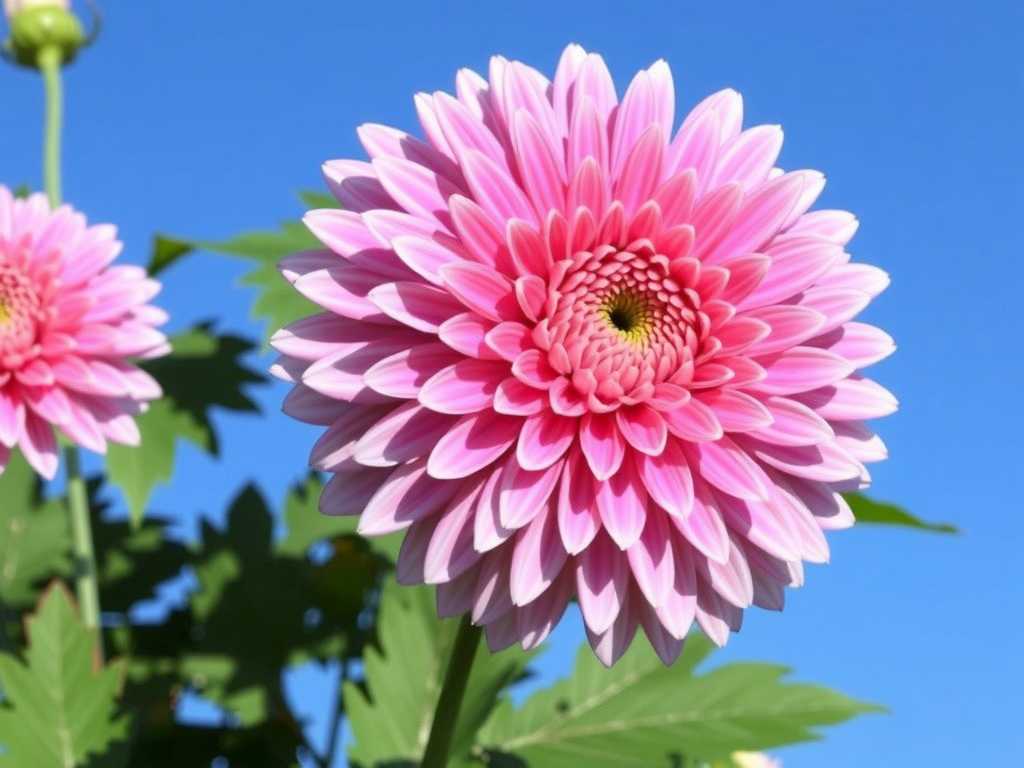
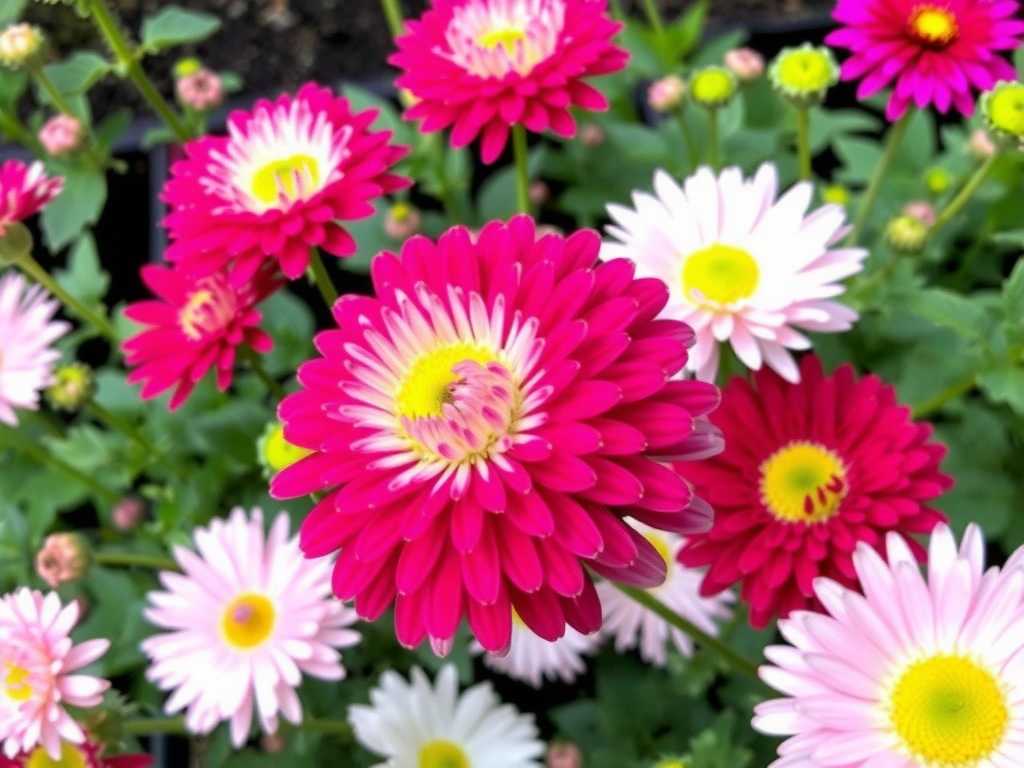
Ornamental chrysanthemums are the showstoppers. They are bred for impressive, often double or pompon-shaped blooms with hundreds of petals. The flower heads are typically larger, ranging from small buttons to massive, dinner-plate-sized inflorescences. Colors are vibrant and diverse, including deep reds, bright pinks, purples, and complex bi-colors not commonly found in nature.
Edible chrysanthemum varieties present much simpler flowers. They usually have a classic daisy-like form with a central disc surrounded by a single layer of petals. The blooms are smaller and more delicate. Common colors are white or yellow, though some edible cultivars may show light purple or pink hues. As noted by horticulturist Dr. Eleanor Vance, "The breeding for edibility prioritizes leaf yield and pleasant, mild flavor compounds over floral complexity, resulting in a much plainer flower."
Leaf Shape, Texture, and Aroma
This is often the most reliable identifier in the vegetative stage. Ornamental chrysanthemum leaves are generally darker green, thicker, and have a deeply lobed or toothed margin. They often feel leathery or coarse to the touch and possess a strong, pungent, sometimes bitter aroma when crushed—a sign of higher concentrations of pyrethrins and other compounds developed for natural pest resistance.
Edible chrysanthemum leaves are your culinary clue. They are lighter green, more tender, and have a softly serrated or finely divided, feathery appearance, resembling carrot tops. The texture is succulent. Most importantly, when you gently rub a leaf, it releases a fresh, herbaceous, slightly sweet fragrance, reminiscent of chamomile or a mild leafy green. This aroma translates directly to its flavor profile.
Growth Habit and Plant Stature
Ornamental mums are often bred to be compact, bushy, and robust, supporting the weight of their large flowers. They are frequently treated with growth regulators to maintain a dense, rounded shape perfect for container displays and autumn garden beds.
Edible varieties have a more upright and open growth habit. They are grown primarily for their leafy greens, so they shoot up faster and are often harvested as a cut-and-come-again crop before they invest significant energy into flowering. They appear less "manicured" and more like a vegetable plant.
The Primary Rule: Source Determines Safety
This cannot be overstated. Never consume a chrysanthemum purchased from a florist, garden center, or nursery as a decorative plant. These have almost certainly been treated with systemic pesticides, fungicides, and growth chemicals that are not approved for food crops. Their growing medium may also contain non-food-safe fertilizers. According to a 2022 urban gardening safety report, the greatest risk of contamination in home-grown edibles comes from using non-food-grade plants or soils. Edible chrysanthemums must be grown from seeds or starts explicitly labeled for culinary use and cultivated without harmful chemicals.
Cultivation Intent and Common Names
Pay close attention to labels. Ornamentals are sold under names like 'Football Mum', 'Spider Mum', 'Cushion Mum', or simply labeled by color. Edibles are marketed with culinary names: Shungiku (Japanese), Tong Hao (Chinese), Crown Daisy, Garland Chrysanthemum, or Chop Suey Greens. This linguistic distinction is a direct signal of intent.
Popular Edible Chrysanthemums to Grow
To steer you toward safe choices, here are a few well-known edible varieties:
- Shungiku (Garland Chrysanthemum): The most common, with finely cut leaves and a mild, aromatic flavor perfect for hot pots, salads, and tempura.
- 'Maiko': A Japanese variety known for its tender stems and leaves, excellent for quick stir-fries.
- 'Small Leaf Tong Hao': Prized for its delicate texture and sweet flavor, often used in Chinese cuisine.
Simple Safety Checklist Before Consumption
- Did I grow it from a seed packet labeled "edible" or "culinary"? If yes, proceed to step 2.
- Do the leaves match the description (feathery, tender, sweet aroma)? If yes, proceed.
- Have I grown it without using any non-food-safe pesticides or fertilizers? If yes, the plant is likely safe to sample.
- Start Small: Even with confirmed edible varieties, try a small amount first to ensure you have no personal sensitivities.
Can I use ornamental chrysanthemum petals as a garnish? It is strongly discouraged. While a few petals from an untreated, home-grown ornamental might not be toxic, the risk of irritation or upset stomach from their bitter compounds is high. The bitter taste is also undesirable. For a safe and beautiful garnish, use calendula, pansies, or nasturtiums, which are bred and recognized as edible flowers.
Are all yellow or white chrysanthemums edible? No, color is not a reliable indicator. Many ornamental chrysanthemums come in yellow and white. Relying on color alone is a common and potentially risky mistake. Always use the full set of identifiers: leaf structure, aroma, and most crucially, your source of the plant or seeds.
What should I do if I accidentally ingest an ornamental chrysanthemum? If the plant was treated with chemicals, contact a poison control center immediately, providing as much information as possible. If it was an untreated home garden plant and only a very small amount was consumed, you may experience a bitter taste or mild gastrointestinal discomfort. Discontinue use and drink plenty of water. However, consulting a medical professional is always the safest course of action if any adverse symptoms occur.
The world of chrysanthemums is beautifully diverse, serving both aesthetic and culinary purposes. By focusing on the plant's growth habit, leaf structure, and most importantly, its intended use from the point of purchase, you can safely enjoy both realms. Appreciate the dazzling beauty of ornamental mums in your autumn landscape, and cultivate the distinct, flavorful greens of edible varieties in your kitchen garden. This clear separation allows you to enjoy the full spectrum of what these remarkable plants have to offer, with confidence and peace of mind.