bluename
 How to Distinguish Narrow-Leaf Lavender Varieties and Broad-Leaf Lavender Varieties?
Choosing the right lavender for your garden can be surprisingly tricky. Many enthusiasts find themselves confused by the vast array of plants labeled simply as "lavender," only to discover later that their chosen variety doesn't thrive in their climate or produce the expected fragrance. The most fundamental division in the lavender world is between narrow-leaf and broad-leaf types. Understanding how to distinguish narrow-leaf lavender varieties and broad-leaf lavender varieties is the essential first step to gardening success, ensuring you select a plant perfectly suited to your needs, whether for aromatic oils, culinary use, or stunning landscape appeal.
The core distinction lies in their botanical lineage and resulting physical traits. Narrow-leaf lavenders belong primarily to the species Lavandula angustifolia, often called English lavender, though they also include hybrids like Lavandula x intermedia (lavandin). Broad-leaf lavenders typically refer to Lavandula latifolia, known as spike lavender, and other species like Lavandula stoechas (Spanish or French lavender). Let's break down the key characteristics to look for.
Examining Foliage: The Most Telling Sign
The names give the first clue. Start by closely observing the leaves.
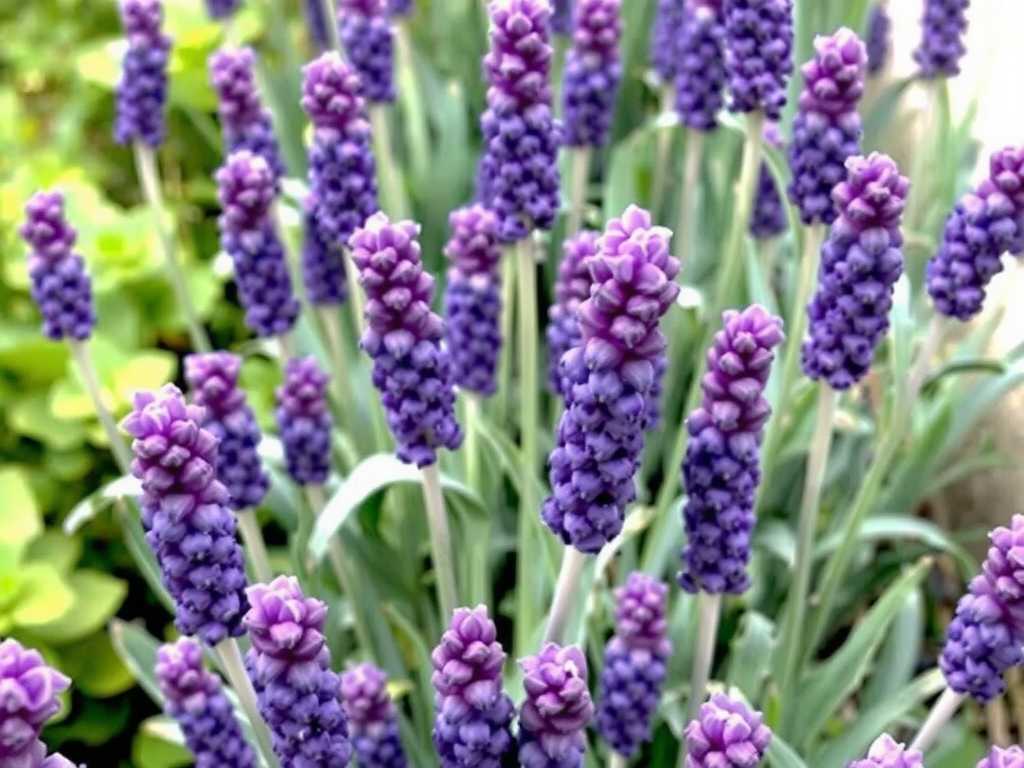
Narrow-leaf lavender varieties feature slender, linear leaves that are smooth or finely haired. They are typically a silvery-green or gray-green color and grow in a dense, compact fashion along the stem. The foliage is highly aromatic when brushed, releasing that classic, sweet lavender scent. This adaptation of small, narrow leaves helps reduce water loss, making these plants more cold-hardy and drought-tolerant.
In contrast, broad-leaf lavender varieties have wider, shorter leaves that are often more elliptical or lance-shaped. Their color tends to be a brighter, dustier gray, and the leaves may feel slightly fuzzier to the touch. The aroma from the foliage is stronger, more camphorous, and less sweet than their narrow-leaf cousins. The broader leaf structure is one reason they prefer warmer, Mediterranean climates.
Analyzing Flower Structure and Color
The flower spikes provide another clear set of differentiating features.
Narrow-leaf lavenders produce flowering spikes on long, slender, leafless stems (peduncles) that rise well above the foliage mound. The flowers are tightly packed in interrupted whorls, creating a classic, elegant spike shape. Colors are typically in the classic lavender, violet-blue, or pale pink and white spectrum. As noted by the Royal Horticultural Society, Lavandula angustifolia cultivars are prized for their superior fragrance and oil quality, often used in high-end perfumery.
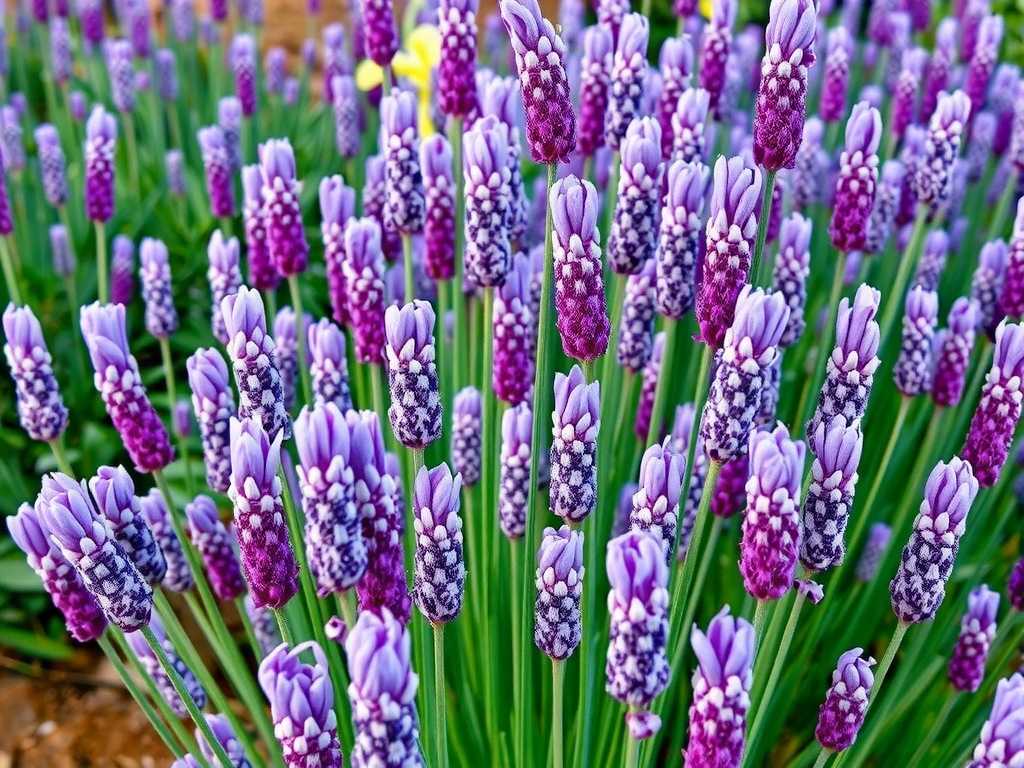
Broad-leaf lavenders present a different floral display. Lavandula latifolia (spike lavender) sends up taller, more branched flower spikes that are less compact and often have a slightly ragged appearance. Lavandula stoechas, however, is unmistakable: its flower heads are topped with large, showy, petal-like bracts often called "rabbit ears" or "butterfly wings." These bracts can be purple, pink, or white and are a definitive identifier. The flowers themselves have a more pungent, resinous scent.
Comparing Growth Habit and Hardiness
The plant's overall shape and environmental needs offer practical clues for gardeners.
Narrow-leaf types generally form neat, rounded mounds or low hedges. They are deciduous to semi-evergreen in colder winters. Crucially, they are the most cold-hardy group, with many angustifolia varieties surviving in USDA zones 5-9. They require excellent drainage and full sun but can handle colder temperatures and even some humidity better than broad-leaf types.
Broad-leaf lavenders often have a more sprawling, shrub-like growth habit. They are predominantly evergreen but are much more tender to frost. Most thrive only in USDA zones 8-10, requiring a hot, dry climate. They are exceptionally drought-tolerant once established but will suffer in wet, cold soils. Horticulturist Jekka McVicar emphasizes that "understanding a lavender's hardiness is key to its survival, and leaf width is a quick visual indicator of its cold tolerance."
Primary Uses and Oil Composition
Your intended use can guide your identification and choice.
Narrow-leaf lavender, especially Lavandula angustifolia, yields a sweet, floral, and low-camphor essential oil highly sought after for relaxation, skincare, and culinary purposes. It's the only lavender considered safe for regular culinary use. The dried buds are perfect for sachets and crafts.
Broad-leaf lavenders produce oils with higher levels of camphor and cineole. Lavandula latifolia oil is stimulating and is often used in products for muscle aches and respiratory relief. Lavandula stoechas oil is rarely used in aromatherapy due to its high ketone content. These plants are primarily grown as stunning, drought-tolerant ornamental specimens in warm climates.
A Quick-Reference Comparison Guide
To summarize the key differences at a glance:
- Leaf Shape: Narrow, linear vs. Broad, elliptical.
- Flower Spike: Slender, compact, above foliage vs. Topped with showy bracts (stoechas) or taller/branched (latifolia).
- Scent: Sweet, floral, low camphor vs. Strong, camphorous, resinous.
- Hardiness: Cold-hardy (Zones 5-9) vs. Frost-tender (Zones 8-10).
- Primary Use: Culinary, premium fragrance, crafts vs. Ornamental, camphorous oil.
Can I grow narrow-leaf and broad-leaf lavender together in the same garden bed? This is only advisable if you live in a climate that meets the needs of the more tender broad-leaf types (Zones 8-10). In cooler zones, the broad-leaf lavender will likely perish in winter. Even in warm climates, ensure both have perfectly draining, gravelly soil and full sun. Grouping them by water needs is often more practical.
Which type of lavender is best for making homemade lavender sachets? Narrow-leaf lavender varieties, particularly Lavandula angustifolia cultivars like 'Hidcote' or 'Munstead,' are superior for sachets. Their buds dry beautifully, retain their shape, and emit the classic, sweet lavender fragrance for a long time. Their lower camphor content is more pleasing in a bedroom or linen closet.
I see a lavender plant with "rabbit ear" petals at the top. Is it a broad-leaf type? Yes, definitively. Those prominent bracts are the signature of Lavandula stoechas, a classic broad-leaf lavender species. It is often sold as Spanish, French, or butterfly lavender. It is not cold-hardy and is grown as an annual or perennial only in very warm, dry climates.
Mastering the distinction between narrow and broad-leaf lavenders transforms garden planning from a guessing game into a strategic success. By training your eye to observe leaf width, flower structure, and growth form, you can confidently select the perfect lavender. Whether you seek the hardiest herb for a cottage garden, the sweetest blooms for the kitchen, or a dramatic ornamental for a hot, sunny border, the answer starts with this fundamental identification. Your journey to a thriving, fragrant lavender patch begins with looking closely at a single leaf.