bluename
 How to Quickly Recognize Double-Petal Jasmine Varieties and Single-Petal Jasmine Varieties?
Are you captivated by the intoxicating fragrance of jasmine but find yourself confused when trying to tell its different varieties apart? You’re not alone. Many gardening enthusiasts and flower lovers struggle to distinguish between the lush, rose-like blooms of double-petal jasmine and the classic, simple elegance of single-petal types. Knowing how to quickly recognize double-petal jasmine varieties and single-petal jasmine varieties is essential for proper plant care, garden design, and simply appreciating their unique beauty. This guide will equip you with simple, visual cues and expert insights to become a jasmine identification pro in no time.
The confusion often stems from the sheer number of jasmine species and cultivars. Whether you're selecting a plant for a fragrant hedge, a container, or a gift, understanding this key difference—single versus double petals—will transform your approach. Let's demystify these beautiful plants step by step.
The Fundamental Difference: Petal Structure
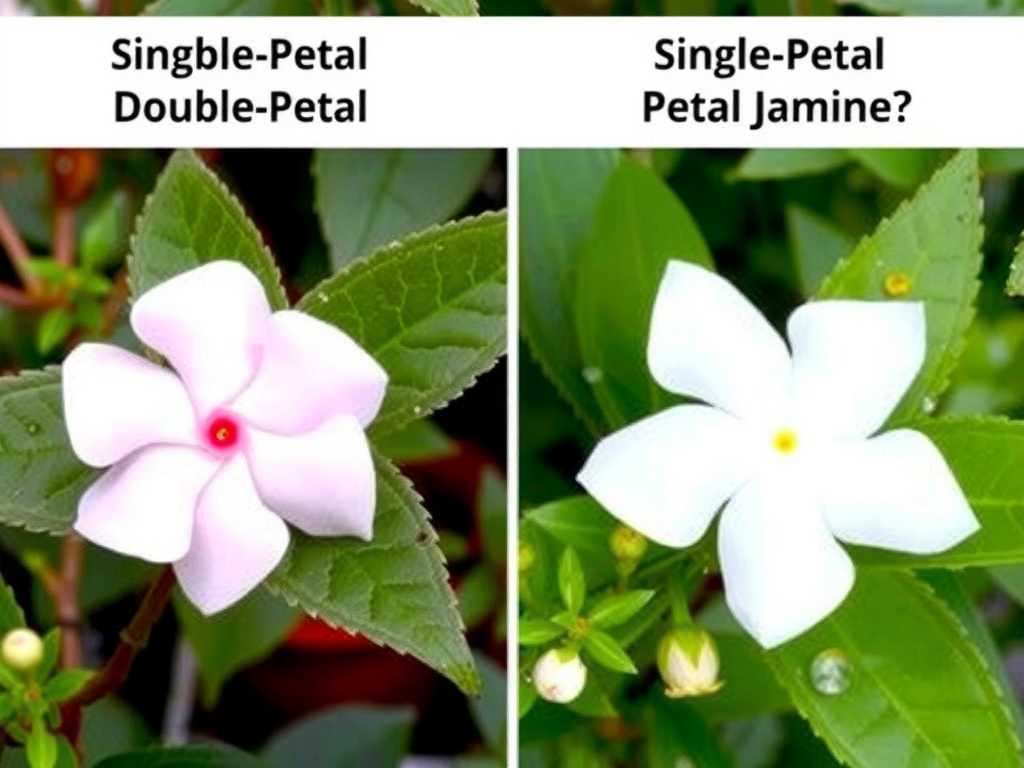
At its core, the distinction is exactly what the names suggest. It’s all about the flower’s morphology, or physical form.
A single-petal jasmine, often referred to as "single-flowered," typically has one whorl of petals. The most common number is five or six petals arranged in a flat, star-like, or pinwheel pattern. These petals are usually separate and may slightly overlap. The center of the flower is openly visible, showcasing the reproductive parts like the stamens and pistil. Think of it as the classic, simple jasmine bloom you might see in traditional illustrations.
In contrast, a double-petal jasmine features multiple layers of petals. This is caused by a mutation where the stamens transform into additional petal-like structures. The result is a fuller, denser, and often more rounded bloom that can resemble a miniature rose or a tiny carnation. The center of the flower is usually hidden beneath these layers. The petal count can be significantly higher, sometimes reaching dozens, creating a lush, opulent appearance.
Your Step-by-Step Visual Identification Guide
You don't need a botany degree. Follow these practical observations the next time you encounter a jasmine plant.
First, Examine the Bloom Itself Get close to an open flower. For a single-petal variety, you will clearly see a simple arrangement. Count the petals; if it’s between 4 and 7, it’s likely single. Look directly into the center. Can you easily see the thin, thread-like stamens? If yes, it’s a single. For a double-petal type, the flower head will look crowded. The petals are numerous and layered, obscuring the center. The overall shape is more globular or pom-pom like rather than flat.
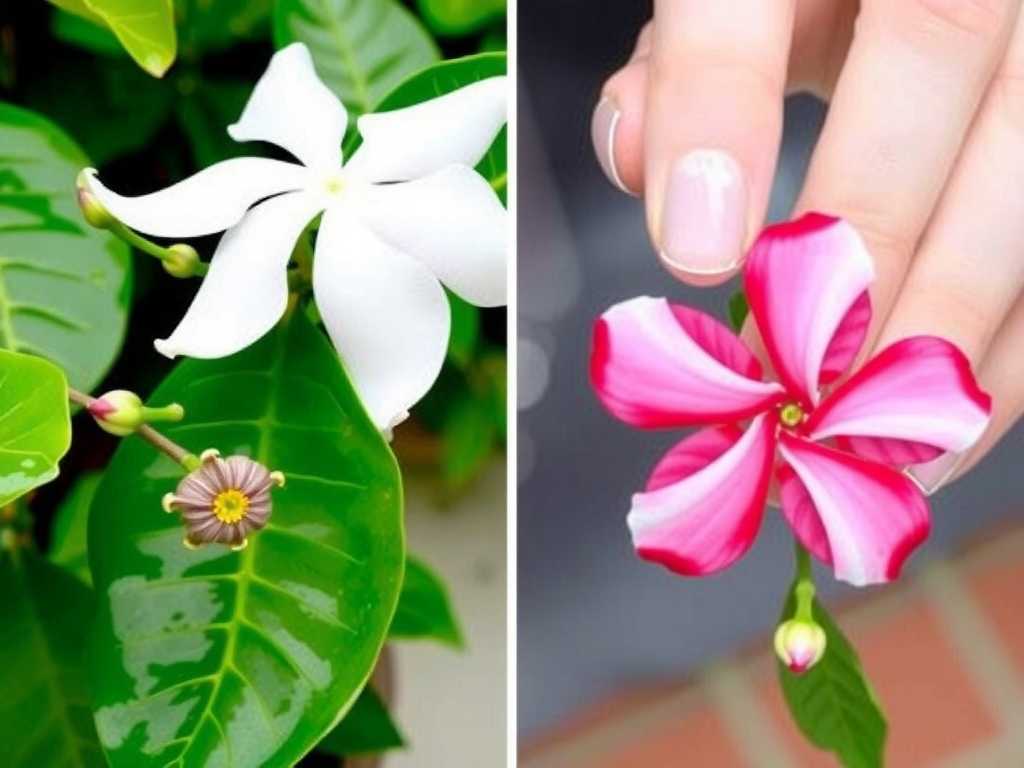
Second, Observe the Flower Bud This is a fantastic quick tip. Before the flower even opens, you can often tell the difference. Single-petal jasmine buds tend to be slender, elongated, and pointed. Double-petal jasmine buds are noticeably fatter, rounder, and more plump, hinting at the volume of petals packed inside.
Third, Consider the Plant’s Growth Habit and Foliage While not a strict rule, there are common tendencies. Many popular double-petal varieties, like Jasminum sambac 'Maid of Orleans' or 'Grand Duke of Tuscany', are often more shrub-like and compact. They may flower repeatedly. Classic single-petal varieties, such as Jasminum officinale (Common Jasmine), are vigorous, vining climbers. Their leaves are typically pinnate (feather-like), with multiple leaflets. However, always use this in conjunction with flower observation, as exceptions exist.
Popular Examples to Cement Your Knowledge
Let’s apply this to real-world varieties you might encounter at a nursery.
Classic Single-Petal Jasmines:
- Common Jasmine (Jasminum officinale): The quintessential vining jasmine. It features clusters of small, white, 5-petaled flowers with a superb fragrance. The open center with prominent stamens is clearly visible.
- Star Jasmine (Trachelospermum jasminoides): Technically not a true Jasminum, but universally included. Its pinwheel-shaped, five-petaled white flowers are a perfect example of a single structure.
Stunning Double-Petal Jasmines:
- Jasminum sambac 'Grand Duke of Tuscany': The ultimate double. Its blooms are dense, multi-layered, creamy-white, and can be over an inch across. The bud is very round. It’s a small shrub.
- Jasminum sambac 'Belle of India': This variety often produces semi-double to double flowers, with elongated petals creating a slightly different form but still with clear layering.
Horticulturist Dr. Eleanor Green notes, “The petal doubling in jasmine isn’t just cosmetic. It can sometimes slightly alter the fragrance profile and almost always affects pollination, as the transformed stamens may not produce viable pollen. This is a key point for gardeners interested in plant biology.”
Why Does This Distinction Matter for You?
Understanding whether you have a single or double-petal jasmine goes beyond simple curiosity.
Care and Pruning: Vigorous, vining single-petal jasmines (like J. officinale) require strong support and regular pruning to control growth. Shrubby double-petal types (like many J. sambac) need shaping and can be more easily maintained in containers. Flowering Performance: Some double varieties may produce slightly fewer flowers than prolific single-petal vines, but each bloom is a dramatic statement. Your aesthetic preference guides your choice. Propagation: Single-petal jasmines are often easier to propagate from cuttings. Doubles, due to their modified flower parts, can sometimes be more challenging and are frequently propagated through layering or professional grafting to maintain their characteristics.
Addressing Your Common Questions
Is double-petal jasmine more fragrant than single-petal? Not necessarily. Fragrance intensity depends more on the species, cultivar, time of day, and growing conditions than on petal count. For instance, the single-petal Jasminum officinale is famously fragrant. Some doubles, like 'Grand Duke,' have a deeply rich, heavy scent. It’s a matter of scent profile rather than sheer strength.
Can I change a single-petal jasmine into a double-petal one? No, you cannot change an existing plant’s fundamental genetics. Single or double petal formation is a genetically determined trait. To get a double-petal plant, you must acquire a variety or cultivar that is already bred to produce double flowers.
Which type is easier to grow for beginners? For most climates, a hardy, single-petal variety like Star Jasmine (Trachelospermum jasminoides) or Common Jasmine (Jasminum officinale) is incredibly resilient and forgiving. They grow quickly, providing satisfying results. Double-petal Jasminum sambac varieties are more tropical, often requiring frost protection and more consistent warmth, making them a slight step up in care for non-tropical gardeners.
Mastering the skill to quickly recognize double-petal jasmine varieties and single-petal jasmine varieties unlocks a deeper enjoyment of these fragrant treasures. Start with the flower—count the petals, peek at the center, and examine the bud’s shape. Pair this with notes on the plant’s growth habit. With this knowledge, you can confidently select the perfect jasmine for your garden balcony, understand its needs, and fully appreciate the subtle yet stunning diversity within the world of jasmine. Your journey from confused admirer to informed enthusiast begins with a single, or double, bloom.