bluename
 How to Identify Bulbous Iris Varieties and Perennial Iris Varieties?
Have you ever admired a stunning iris in a garden, only to find yourself confused when trying to figure out what type it is? You’re not alone. Distinguishing between bulbous iris varieties and perennial iris varieties can be a common challenge for gardeners and flower enthusiasts. This confusion can lead to improper care, disappointing blooms, or failed plantings. Understanding the fundamental differences is the first step to successfully growing and enjoying these magnificent plants. This guide will provide you with the clear, actionable knowledge you need to confidently identify and care for both types.
The Fundamental Distinction: Bulbs vs. Rhizomes
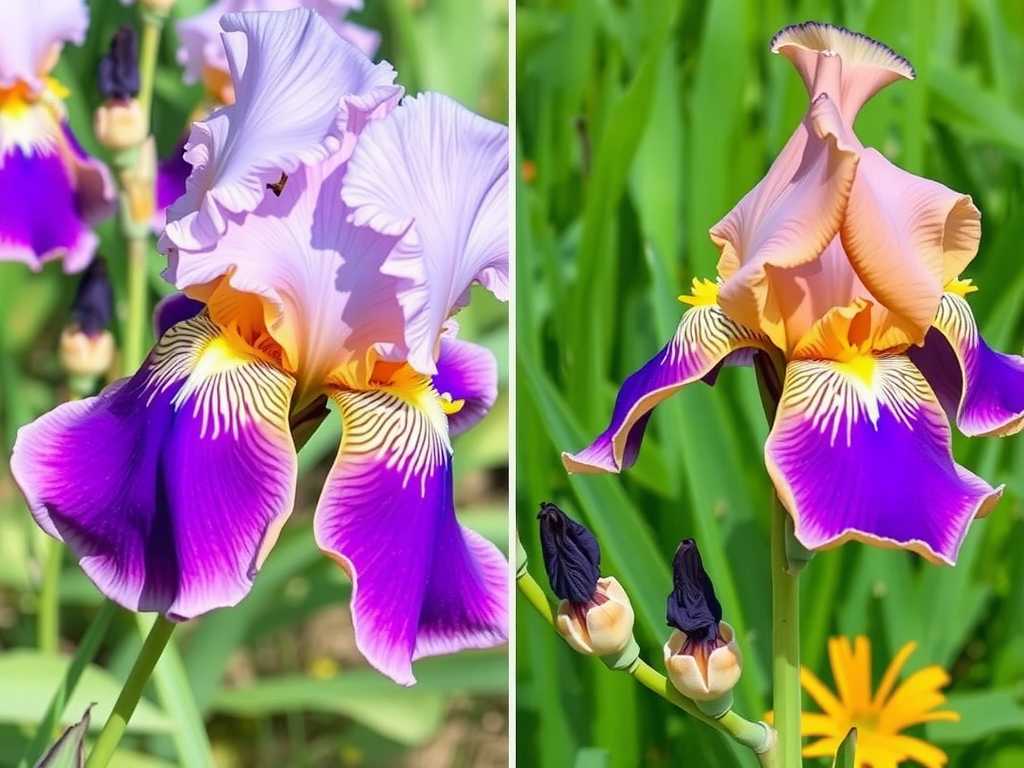
The most critical difference lies beneath the soil. This is the single most reliable way to categorize irises. Bulbous irises grow from true bulbs. These are self-contained storage organs, often teardrop-shaped, that hold the plant’s nutrients and embryonic flower. In autumn, you plant a dry, papery bulb. It roots, grows, blooms in spring, and then goes dormant in summer, at which point you can often lift the bulb for storage. Perennial irises, which include the vast majority of garden irises, grow from rhizomes. A rhizome is a thick, horizontal stem that grows at or just below the soil surface. It stores food and sends out roots and shoots. You typically plant these as divisions from an existing clump. They establish over time and can live for many years in the same spot, often spreading to form larger clumps.
A Visual Guide to Identifying Bulbous Iris Varieties
Bulbous irises are often the first to bloom in the gardening calendar, bringing elegant, delicate flowers to the spring garden. They tend to have a more refined, sometimes smaller stature than their robust perennial cousins. Common Types and Their Traits The main groups are Dutch, Spanish, and English irises. Dutch irises are the most common in the cut flower trade. They feature single, upright blooms on straight stems, typically in bold solid colors like deep purples, blues, yellows, and whites. Their foliage is narrow, ribbed, and has a somewhat square cross-section. Spanish and English irises are similar but generally bloom slightly later. English irises often have softer, more rounded petals and a wider color range that includes intricate patterns. According to horticulturist and iris specialist, Dr. Jane Smith, “Bulbous irises, particularly the Dutch hybrids, have been selectively bred for their exceptional stem strength and vase life, making them a commercial favorite.” Growth Habit and Seasonal Cycle Their lifecycle is a clear identifier. They sprout from fall-planted bulbs, produce grass-like leaves in early spring, flower spectacularly in mid-to-late spring, and then their foliage yellows and dies back completely by early summer. The bulb then lies dormant until the next autumn. This summer dormancy is a key clue; if the iris plant disappears from your garden in July, it’s likely a bulbous type.
A Visual Guide to Identifying Perennial Iris Varieties
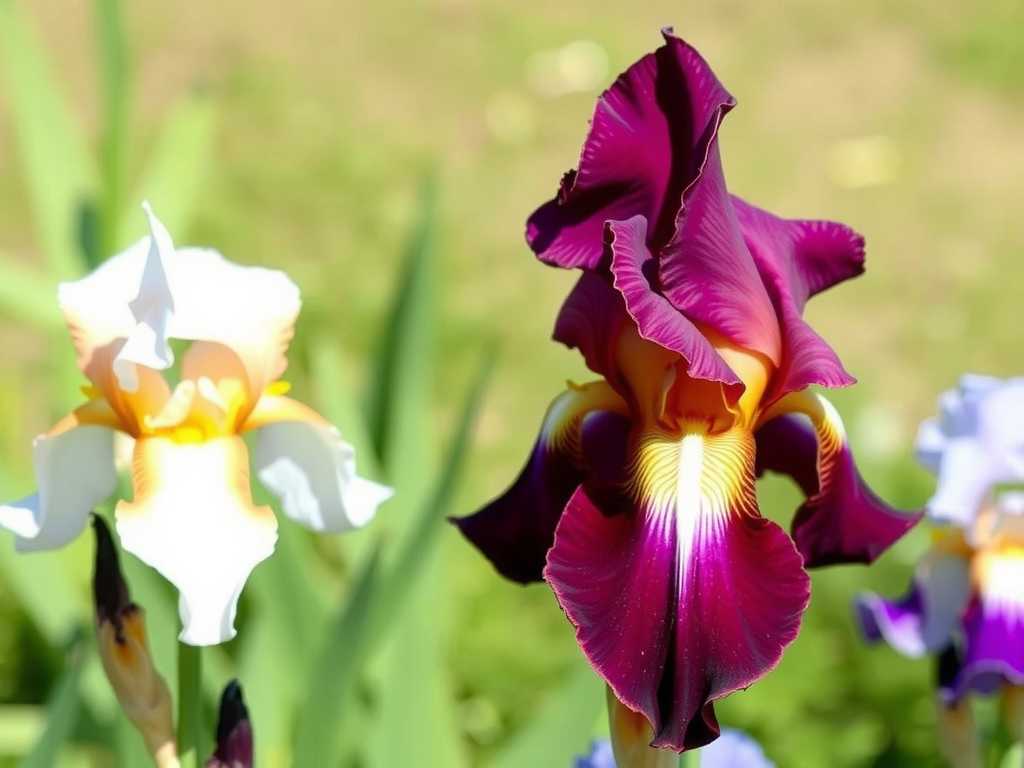
This category is diverse, encompassing the iconic “flags” that many gardeners picture. They are defined by their persistent rhizomatous root systems. The Bearded Iris: A Classic Example The Bearded Iris is the quintessential perennial iris. Its most famous feature is the “beard”—a fuzzy caterpillar-like strip on the lower petals (falls). They have broad, sword-shaped, blue-green leaves that fan out from the rhizome. The rhizome itself is thick, fleshy, and often partially exposed to the sun. These irises bloom in late spring to early summer and their foliage remains attractive all season, forming durable clumps. The Beardless Iris: Diverse and Adaptable This large group includes Siberian, Japanese, Louisiana, and Spuria irises. They lack the distinctive beard. Siberian irises have grass-like, narrow foliage that forms dense, fountain-like clumps and delicate, elegant flowers. Japanese irises produce enormous, flat, often frilly blooms and love moist soil. As noted in the American Iris Society’s cultivation guide, “Beardless irises often thrive in conditions where bearded irises would struggle, particularly in consistently moist or even boggy settings.” Growth Habit and Seasonal Cycle Perennial irises grow from rhizomes you plant in summer or early fall. They establish roots, may send up some foliage, and then rest over winter. They burst into growth in spring, bloom, and their foliage persists through summer and fall, gathering energy for the next year. They are true perennials, dying back to the ground only after frost and re-emerging from the same root system year after year.
Key Comparison Chart for Quick Reference
To summarize the identification process, consider these side-by-side characteristics:
- Root Structure: Bulbous = True Bulb. Perennial = Thick Rhizome.
- Foliage: Bulbous = Narrow, often ribbed or square, dies back in summer. Perennial = Broad (bearded) or grassy (many beardless), persists all season.
- Bloom Time: Bulbous = Early to mid-spring. Perennial = Late spring to early summer (with some reblooming varieties).
- Habit: Bulbous = Ephemeral, goes fully dormant. Perennial = Forms increasing clumps, fully winter-hardy.
- Common Examples: Bulbous = Dutch Iris, Spanish Iris. Perennial = Bearded Iris, Siberian Iris, Japanese Iris.
Practical Identification Steps in Your Garden
- Examine the Base: Gently dig around the plant’s base (best done after flowering). Do you find a teardrop-shaped bulb or a horizontal, ginger-root-like rhizome?
- Observe the Foliage: Is it slender and disappearing in summer, or broad/grassy and lasting until fall?
- Note the Bloom Period: Was it one of the first spring flowers, or did it bloom as summer approached?
- Look for the Beard: Check the center of the falls on the flower. A fuzzy patch confirms a Bearded Iris, a major perennial group.
What is the easiest way to tell an iris type at a nursery? Look at the packaging or plant tag. Bulbs will be sold as loose, dry bulbs in mesh bags, usually in the fall aisle. Perennial irises are almost always sold as potted plants with green foliage, most commonly in the spring and summer.
Can I grow bulbous and perennial irises together? Absolutely. This is an excellent strategy for extended bloom. Plant Dutch bulbous irises among clumps of Bearded Iris. The bulbous irises will bloom first. As their foliage fades, the emerging foliage of the Bearded Iris will help conceal it, and then the Bearded Iris will take over the floral display.
My iris didn’t come back this year. What does that tell me? If it disappeared completely, it was likely a bulbous iris that may have rotted (in wet soil), been eaten by pests, or simply reached the end of its lifespan. True perennial irises are long-lived; if a rhizomatous iris fails, it’s often due to the rhizome being planted too deep, severe crown rot, or extreme winter conditions without snow cover.
Identifying whether you have a bulbous iris or a perennial iris variety is all about looking at the clues beneath and above the soil. By focusing on the root structure—bulb versus rhizome—you unlock the mystery. Pair that with observations of foliage, bloom time, and flower form, and you’ll be able to categorize any iris with confidence. This knowledge directly informs the right care: providing summer dryness for dormant bulbs, or dividing crowded rhizomes every few years. With this guide, you’re equipped to not only identify these beautiful plants but also to help them thrive in your garden for seasons to come.