bluename
 How to Distinguish Upright Geranium Varieties and Trailing Geranium Varieties?
Choosing the perfect geranium for your garden or balcony can be surprisingly tricky. You’ve seen stunning photos of both lush, upright plants and cascading floral waterfalls, but when you’re at the nursery, the labels can be confusing. The key to success lies in understanding one fundamental distinction: the difference between upright and trailing geranium varieties. Mastering this will ensure you pick the right plant for the right spot, transforming your gardening results.
This guide will walk you through the clear, visual and growth-based differences between these two popular types. By the end, you’ll be able to confidently identify them and make the perfect choice for your space.
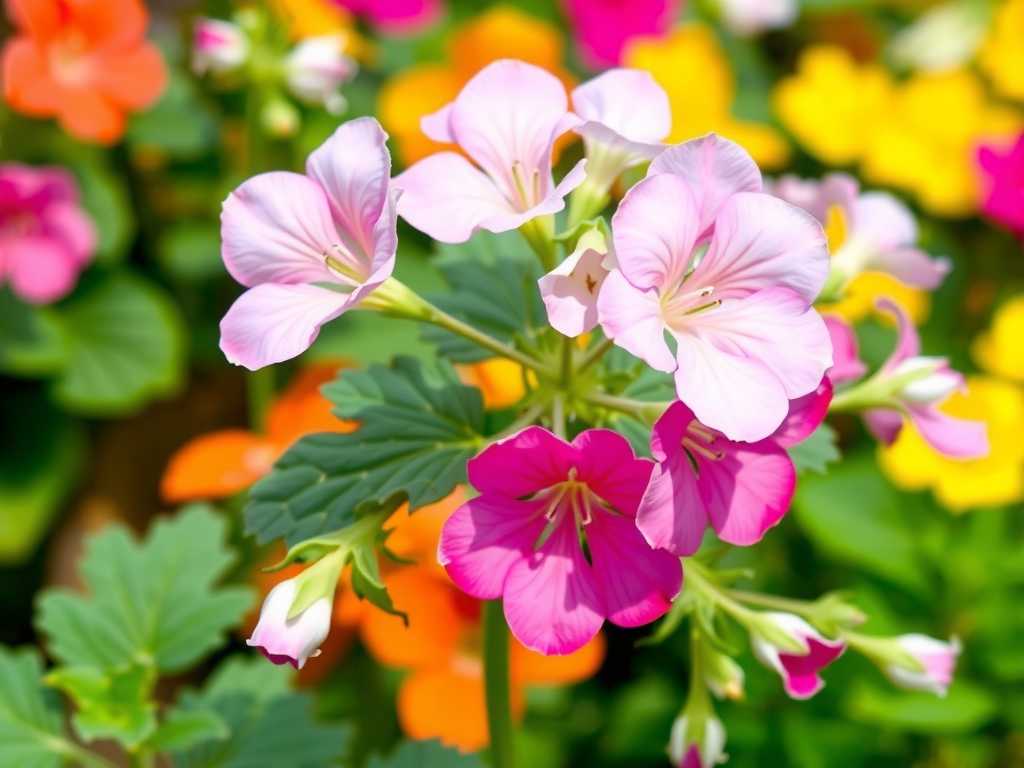
Understanding the Core Growth Habit
The most significant difference lies in their fundamental architecture, or growth habit. This is the first and most reliable characteristic to observe.
Upright geraniums, often referred to as zonal geraniums (Pelargonium x hortorum), grow exactly as their name suggests: upwards. They develop strong, thick stems that hold the plant in a bushy, vertical form. Think of them as the classic geranium you picture in a terracotta pot on a doorstep. Their growth is focused on creating a full, rounded mound of foliage and flowers that typically stands between 12 to 24 inches tall.
In contrast, trailing geraniums, commonly known as ivy geraniums (Pelargonium peltatum), have a completely different ambition. They are natural spillers and climbers. Their stems are thinner, more flexible, and they grow outward and downward. As horticulturist Dr. Linda Gilkeson notes in her work on container gardening, "Ivy-leaved geraniums possess a vining habit that is genetically programmed for spreading, making them unparalleled for hanging baskets and window boxes where their stems can gracefully cascade several feet."
A Side-by-Side Comparison of Key Features
Let’s break down the specific characteristics you can compare side-by-side.
Stem Structure and Plant Shape Examine the stems. Upright geraniums have sturdy, succulent-like stems that are adept at holding weight. They branch out to create a self-supporting, bushy shape. The overall silhouette is compact and rounded.
Trailing geraniums tell a different story. Their stems are long, slender, and pliable. They do not naturally hold themselves up; instead, they will sprawl along the ground or drape over the edges of containers. The plant’s form is loose, spreading, and designed to flow.
Leaf Morphology: Texture and Shape The leaves provide a brilliant visual clue. Upright (zonal) geranium leaves are typically rounded, with a soft, velvety texture and a distinctive scalloped edge. Many varieties feature a dark "zone" or horseshoe-shaped marking in the center, which is the origin of the "zonal" name. The leaves feel fuzzy and somewhat thick.
Trailing (ivy) geranium leaves are glossy, smooth, and waxy to the touch, much like the leaves of true ivy. Their shape is more angular or star-shaped with five distinct points. They lack the fuzzy texture and the prominent dark zoning found in their upright cousins. This glossy, reflective surface helps them handle sun and rain more efficiently.
Flower Presentation and Growth Observe how the flowers are held. On upright varieties, the large, spherical flower heads (umbels) are held proudly aloft on stiff stems that rise above the foliage canopy, creating a bold display of color at the top of the plant.
On trailing varieties, the flower clusters are often slightly looser and tend to emerge more from the leaf axils along the length of the trailing stems. This creates a more interwoven effect of flowers and foliage along the cascade, rather than a single bold cap.
Primary Uses and Ideal Placement in the Garden
Your choice should ultimately be driven by where you want to place the plant. This is where the distinction becomes practical.
Upright geraniums are the stars of formal beds, borders, and container arrangements where height and structure are needed. They excel in pots on patios, flanking doorways, or as focal points in garden beds. Their upright nature makes them ideal for creating rhythm and color blocks in landscape design.
Trailing geraniums are the undisputed champions of vertical gardening. They are purpose-built for hanging baskets, window boxes, tall container gardens, and wall planters. Their cascading habit softens edges and creates a profusion of color that spills downward. According to a recent urban gardening trends report, the use of trailing varieties in elevated planters has increased by over 30% as gardeners maximize small-space yields.
Practical Identification Steps at the Nursery
Next time you’re plant shopping, follow this simple three-step check:
- Look at the overall form: Is it bushy and self-standing (Upright), or are stems already spilling over the pot’s edge (Trailing)?
- Feel the leaves: Are they fuzzy and rounded (Upright), or smooth, glossy, and pointed (Trailing)?
- Check the label: Look for the botanical clues. Pelargonium x hortorum or "Zonal" indicates upright. Pelargonium peltatum or "Ivy" indicates trailing.
Can I grow upright and trailing geraniums together in the same pot? Absolutely! This is a classic "thriller, filler, spiller" container recipe. Use one upright geranium as the central "thriller" for height, surround it with filler plants like lobelia or sweet alyssum, and let a trailing geranium cascade over the edges as the "spiller." Ensure the pot is large enough to accommodate both root systems.
Which type is more tolerant of hot, dry conditions? Both are relatively drought-tolerant once established, but upright zonal geraniums often have a slight edge in intense, full-sun, dry heat due to their thicker stems and water-storing capabilities. Trailing ivy geraniums prefer consistent moisture, especially in hanging baskets which dry out faster, but their waxy leaves offer good sun protection.
Do they require different care for winter overwintering? The basic process is similar—bring them indoors before frost. However, due to their more compact shape, upright geraniums are often easier to prune and manage as indoor houseplants through winter. Trailing varieties can become leggy indoors; consider taking cuttings in late summer to root new, more manageable plants for the next season.
Understanding the distinction between upright and trailing geranium varieties is more than just botanical trivia—it’s the secret to unlocking their full potential in your garden. By paying attention to growth habit, leaf structure, and intended placement, you move from guessing to knowing. Choose upright forms for bold, structural color and trailing forms for elegant, flowing displays. With this knowledge, your next geranium will not only survive but thrive exactly as you envisioned.