bluename
 How to Quickly Recognize Double-Petal Eustoma Varieties and Single-Petal Eustoma Varieties?
Have you ever admired the lush, rose-like blooms of a eustoma, only to find a simpler, elegant single-petal variety the next day and wondered if they’re even the same flower? You’re not alone. For gardeners, floral designers, and plant enthusiasts, quickly and accurately distinguishing between double-petal and single-petal eustoma varieties is a common challenge. Mistaking one for the other can lead to disappointed garden plans or mismatched floral arrangements. This guide will equip you with a clear, step-by-step method to identify these two popular types at a glance, ensuring you always choose the perfect bloom for your needs.
Understanding the fundamental difference is key. The core distinction lies in the flower’s reproductive structures and petal count. Single-petal eustomas showcase a classic, natural form, while double-petal varieties offer a lavish, cultivated appearance. Let’s break down the identification process.
Start with the Flower Center: The Most Reliable Cue
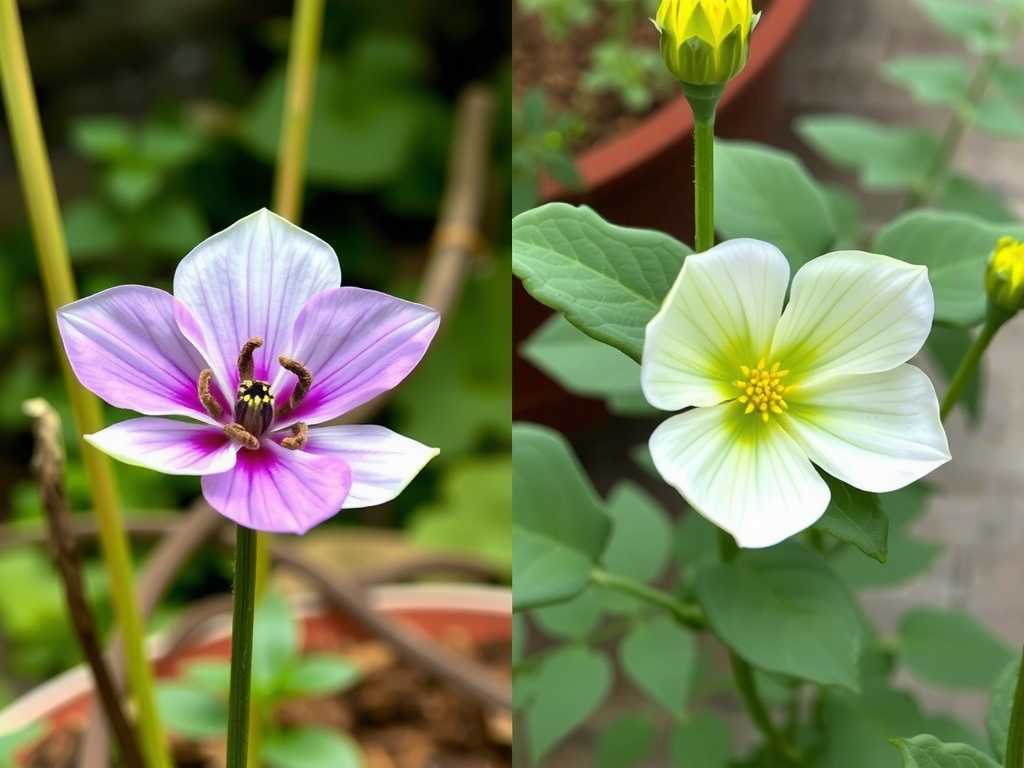
The quickest way to recognize a eustoma type is to examine the very heart of the bloom.
For single-petal eustomas, the center is open and prominent. You will clearly see the reproductive parts: a cluster of prominent stamens tipped with pollen-bearing anthers, surrounding a central pistil. This open center is a hallmark of their simpler structure and is essential for pollination. The view is direct and uncluttered.
In contrast, double-petal eustomas have a center that is obscured or completely absent. The extra layers of petals, which are technically transformed stamens and pistils, fill the center of the flower. You might see a dense, ruffled mass of petals with no visible reproductive organs. As noted by horticulturalist Dr. Eleanor Vance, “The ‘doubling’ in flowers like eustomas often results from a mutation that converts reproductive organs into additional petals, creating that coveted full bloom but rendering the flower sterile.” This lack of a visible center is your most immediate visual clue.
Analyze the Petal Structure and Density
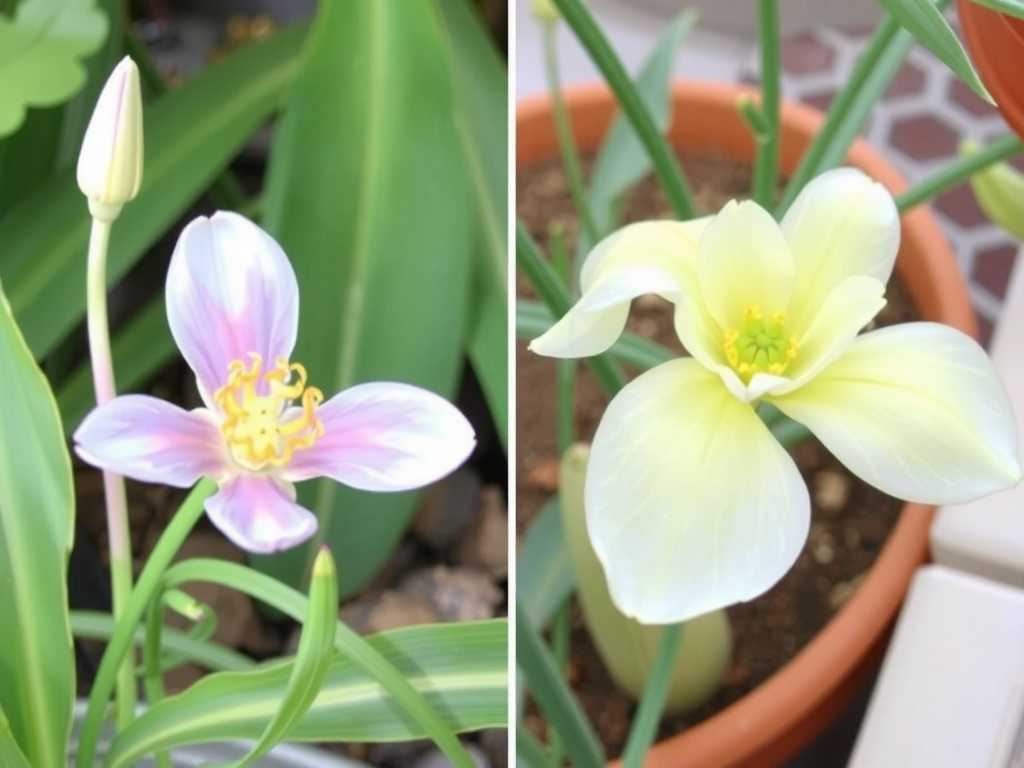
Moving from the center outward, the petal arrangement tells a compelling story.
Single-petal varieties typically have one main whorl of 5 to 7 petals. These petals are often broader, smoother, and may have a slight curl or wave at the edges. The overall impression is one of elegant simplicity, grace, and space between petals, allowing light to play through the flower. They bear a closer resemblance to their wild ancestors or classic tulip shapes.
Double-petal eustomas are defined by multiple layers of petals. They can have dozens of petals arranged in a tight, concentric, or spiraled pattern. The blooms are dense, ruffled, and exceptionally full, often resembling peonies or garden roses. The petal edges might be more serrated or fringed, adding to the textural complexity. The density is so high that you usually cannot see through the bloom to the stem behind it.
Consider the Overall Bloom Form and Silhouette
Step back and look at the flower’s shape. This macro-view solidifies your identification.
A single-petal eustoma often has a more open, cup-shaped, or bell-like silhouette. The profile is flatter or shallower, emphasizing the central stamen cluster. The flower appears lighter and more delicate in structure.
A double-petal eustoma presents a globular, ball-shaped, or pom-pom silhouette. The bloom is much taller and fuller, forming a dome of petals. The profile is rounded and substantial, giving a sense of volume and opulence. This luxurious form is why they are frequently favored in high-end bridal bouquets and formal displays.
Practical Tips for Quick Recognition in Different Settings
Whether you’re at a nursery or a flower market, use these situational tips.
At the garden center, look at the plant tags. Reputable growers often list the series name. Common double-petal series include ‘Rosita’, ‘Echo’, and ‘Mariachi’. Popular single-petal series are ‘ABC’, ‘Flamenco’, and ‘Rosanne’. Feeling the unopened bud can also hint; double buds are often rounder and more cabbage-like, while single buds are more tapered.
For cut flowers, assess weight and stem sturdiness. A double-petal eustoma stem will feel noticeably heavier due to the mass of petals and requires a robust stem for support. Single-petal stems are relatively lighter and may appear more slender. According to a recent Floriculture Trends Report, double-petal varieties now command nearly 60% of the commercial cut eustoma market due to consumer preference for lushness, highlighting their distinct structural demands.
Why Accurate Recognition Matters for Care and Design
Knowing which type you have directly impacts success. Double-petal eustomas, with their heavy heads, are more susceptible to stem bending and require adequate staking in the garden. Their dense petals can hold moisture, making them slightly more prone to botrytis in humid conditions, so ensure good air circulation.
For floral design, single-petal eustomas offer airy, line-making elegance perfect for garden-style arrangements. Double-petal varieties serve as focal flowers, providing mass and luxury. Choosing the right type ensures your design has the intended visual weight and texture.
Can a single-petal eustoma plant produce a double-petal flower? No, the trait is genetically fixed. A plant bred as a single-petal variety will only produce single-petal flowers. The double-petal characteristic is a result of selective breeding and stable mutation.
Which type lasts longer as a cut flower? Both are known for excellent vase life, often lasting two to three weeks. There is no definitive winner, as longevity depends more on proper care—clean water, flower food, and stem recutting. However, some florists observe that the sturdier stems of double varieties can sometimes handle transport stress slightly better.
Are there “semi-double” eustoma varieties? Yes, the classification isn’t always binary. Semi-double varieties exist, featuring one or two extra inner rows of petals but still showing a partially visible center. Use the same identification steps: if you can see stamens among a moderate ruffling of petals, it’s likely a semi-double.
Mastering the quick recognition of double-petal and single-petal eustomas transforms your gardening and floral experiences. By focusing first on the flower’s center, then evaluating petal density and overall form, you can confidently identify any variety within seconds. This skill allows you to make informed choices that align with your aesthetic vision and practical care capabilities, ensuring these beautiful blooms bring their fullest potential to your garden or vase.