bluename
 How to Identify Pink Bougainvillea Varieties and Double-Petal Bougainvillea Varieties?
Have you ever admired a stunning cascade of pink bougainvillea, only to wonder exactly which variety you're looking at? Or perhaps you've been captivated by the lush, rose-like blooms of a double-petal bougainvillea and wished you could find one for your own garden. You're not alone. For many gardening enthusiasts and homeowners, identifying the specific type of bougainvillea—especially among the myriad of pink and double-flowered varieties—can be a confusing challenge. This guide is designed to demystify that process. We'll provide you with a clear, practical framework to confidently distinguish between different pink bougainvillea varieties and understand the unique characteristics of double-petal bougainvillea varieties.
Understanding Bougainvillea's True "Flowers"
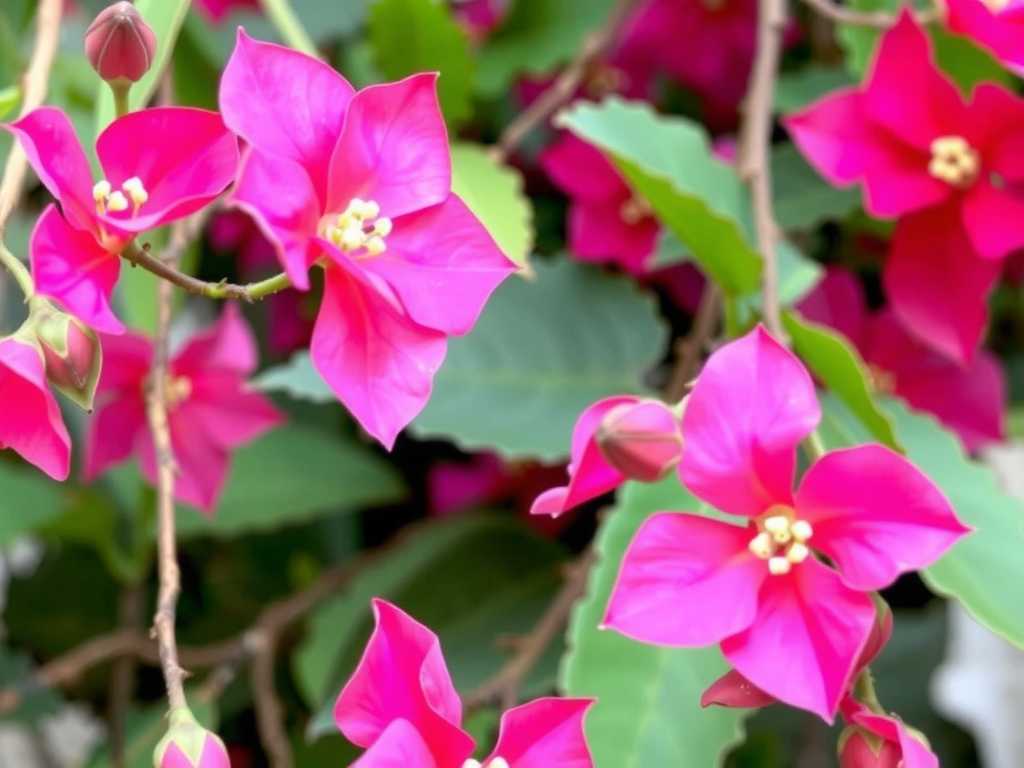
Before we dive into identification, it's crucial to understand what you're actually looking at. The vibrant pink, purple, red, or orange parts we commonly call "flowers" are not flowers at all. They are modified leaves called bracts. The true flowers of the bougainvillea are the small, white, tubular structures nestled at the center of these colorful bracts. When we talk about identifying varieties, we are primarily observing the bracts: their color, size, shape, and growth habit.
A Key Framework for Identification
To accurately identify any bougainvillea, you should systematically examine four key characteristics: bract color and pattern, bract size and shape, growth habit and size, and foliage. Let's apply this framework to pink and double-petal types.
Identifying Common Pink Bougainvillea Varieties
Pink bougainvilleas range from soft, pastel hues to deep, vibrant magentas. Here’s how to tell some of the most popular ones apart.
'Barbara Karst': The Vibrant Classic This is arguably one of the most widespread and recognizable varieties. 'Barbara Karst' boasts intense magenta-pink bracts that retain their brilliant color even in hot, full sun. The bracts are large and triangular, creating a massive, eye-catching display. It's a vigorous, large-growing vine or shrub, often used on fences, trellises, and as a sprawling ground cover. Its leaves are bright green and heart-shaped. If you see a bougainvillea with a consistent, powerful hot-pink color on a large, fast-growing plant, it's likely 'Barbara Karst'.
'Rosenka': The Pastel Beauty In contrast to 'Barbara Karst', 'Rosenka' offers a much softer aesthetic. Its bracts are a beautiful peach-pink or golden-pink when they first emerge, often maturing to a softer pink. The color can vary slightly with temperature and sun exposure. 'Rosenka' tends to have a more mounded, shrub-like growth habit rather than a rampant vine. It's an excellent choice for containers or as a garden specimen. Look for a bushier plant with delicate, warm-toned pink bracts.
'James Walker': The Coral-Pink Cascade This variety presents a unique salmon or coral-pink color. The bracts are slightly crinkled and appear in abundant clusters. 'James Walker' is known for its prolific blooming cycle and its semi-dwarf, spreading habit. It's less aggressive than some vining types, making it suitable for smaller spaces, hanging baskets, or as a colorful spillover in landscape beds. The distinct coral hue sets it apart from the clearer pinks and magentas.
'California Gold' (in its pink form): The Surprising Chameleon While famous for its golden-orange bracts, it's important to note that some bougainvilleas, like certain strains of 'California Gold', can exhibit pink tones, especially in cooler weather or under specific growing conditions. This can cause confusion. The key identifier remains its generally compact, shrubby habit and the potential for color variation towards apricot or blush pink, unlike the stable, deep pink of 'Barbara Karst'.
Decoding Double-Petal Bougainvillea Varieties
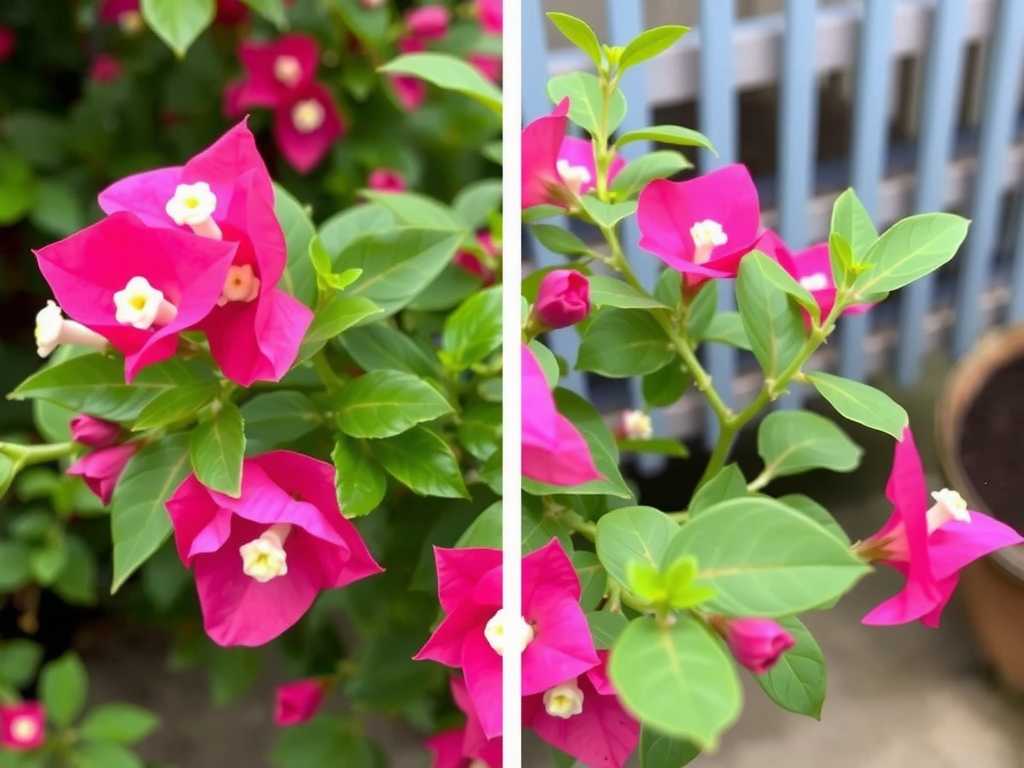
Double-petal bougainvillea varieties, sometimes called "double-bract" or "double-flowered," are prized for their exceptionally full, ruffled appearance that resembles miniature roses or carnations. This effect is created because the bracts themselves are doubled or multi-whorled.
What Makes a Bougainvillea "Double"? As horticulturist Dr. Linda S. Smith notes, "The doubling in bougainvilleas is a morphological wonder where the showy bracts develop extra layers, creating a dense, textured bloom that significantly increases the visual impact and longevity of the display." Instead of a single layer of three bracts surrounding the flowers, double varieties have multiple layers, resulting in a pom-pom or rosette shape.
Spotting Popular Double Varieties
'Double Pink': The Ruffled Showstopper This variety is a star in the double category. It produces clusters of rich pink, heavily ruffled bracts that are incredibly dense. The plant itself is often a strong, sprawling shrub or vine. When in full bloom, the mass of ruffled pink can almost obscure the foliage. It’s less common than single-bract pinks but highly sought after for its luxurious texture.
'Double Orange' and 'Double Red': Colorful Doubles While our focus is on pink, understanding other double colors helps in identification. 'Double Orange' has vibrant tangerine-orange doubled bracts, and 'Double Red' features a deep, crimson-red. Their growth habits are similar to 'Double Pink'—vigorous and floriferous. If you see a bougainvillea with any deeply layered, ruffled bracts, you're likely looking at a double variety, regardless of the specific color.
'Bambino Baby Sophia': The Petite Double This is a dwarf, compact series perfect for pots and small gardens. 'Baby Sophia' specifically showcases lovely double bracts in a soft lilac-pink hue. Its small size (typically staying under 3 feet) and miniature, doubled blooms make it unmistakable. It's an ideal choice for patios and balcony gardens where space is limited.
Practical Identification Steps in the Garden or Nursery
- Observe the Bract Structure: Get close. Are the colorful parts smooth and paper-thin (single), or are they layered, ruffled, and dense (double)?
- Assess the Color Precisely: Is it a blue-toned magenta, a warm coral, or a soft peach-pink? Note how the color looks in sun versus shade.
- Examine the Plant's Shape and Size: Is it a towering vine covering a wall, a mounded shrub, or a tiny potted specimen? Growth habit is a major clue.
- Look at the Leaves: Are they large or small, solid green or variegated? Some varieties have distinctive foliage.
- Check for a Tag: Always look for a nursery label, which is the most reliable identifier.
Is there a true pink bougainvillea that stays pink and doesn't fade to magenta? Yes, varieties like 'Rosenka' (peach-pink) and 'James Walker' (coral-pink) maintain their distinct, softer pink tones and do not develop the strong blue-magenta hue of 'Barbara Karst'. Their color is more stable within their own range, though some fading or color enhancement can occur with changes in sunlight and temperature.
Are double-petal bougainvillea varieties harder to grow than single-petal ones? Not necessarily. They have the same basic requirements: full sun (at least 6 hours daily), well-drained soil, and infrequent but deep watering once established. However, some double varieties may be slightly less vigorous than their single-bract counterparts, but they are not considered difficult. Their spectacular bloom display makes any minor care consideration well worth it.
Can I grow a pink double bougainvillea in a container? Absolutely. In fact, container growing is an excellent way to enjoy many bougainvilleas, especially dwarf or compact varieties like the 'Bambino' series. Use a large pot with drainage holes, a quality potting mix, and provide a sunny location. Container growth also allows you to easily protect the plant from frost in cooler climates.
Identifying bougainvillea varieties becomes a rewarding skill with a bit of focused observation. By paying attention to the details of bract color, texture, and plant form, you can move from simply seeing a "pink vine" to recognizing the vibrant 'Barbara Karst', the gentle 'Rosenka', or the opulent ruffles of a 'Double Pink'. Whether you're selecting the perfect plant for your garden or simply satisfying your curiosity, this knowledge deepens your appreciation for one of the world's most spectacular flowering plants. Start applying these tips on your next garden visit, and you'll see these botanical beauties in a whole new light.