bluename
 How to Recognize Red-Flower Schlumbergera Varieties and Yellow-Flower Schlumbergera Varieties?
Have you ever admired a stunning holiday cactus in full bloom but found yourself unsure of its exact type? With numerous hybrids and cultivars available, distinguishing between red-flowering and yellow-flowering Schlumbergera varieties can be a challenge for both new and experienced plant enthusiasts. This guide is designed to help you confidently identify these popular plants, focusing on the key characteristics that set them apart.
Understanding the Schlumbergera genus is the first step. Commonly known as holiday cacti, these epiphytic plants are native to Brazilian rainforests. They are often confused with each other, but we will focus specifically on recognizing the color variations within the Thanksgiving (Schlumbergera truncata) and Christmas (Schlumbergera x buckleyi) cactus groups. Accurate identification goes beyond curiosity; it informs proper care for optimal blooming.
Key Differences in Physical Characteristics
The most obvious difference is, of course, the flower color. However, relying solely on color can be misleading, as lighting and plant age can affect hue perception. A systematic approach using multiple traits is more reliable.
Let's start with the stem segments, or phylloclades. For classic red-flowering types, often derived from S. truncata, the segments typically have pointed, claw-like projections with 2-4 sharp teeth on each side. The yellow-flowering varieties, which are usually complex hybrids, may have segment shapes that vary more, sometimes showing less pronounced teeth, a trait inherited from other species used in breeding.
Examine the growth habit. Many traditional red-flowering cultivars exhibit a more upright and then arching habit. Some modern yellow hybrids may display a slightly more pendulous or sprawling growth, but this is highly cultivar-dependent.
Focus on Flower Morphology and Blooming Cues
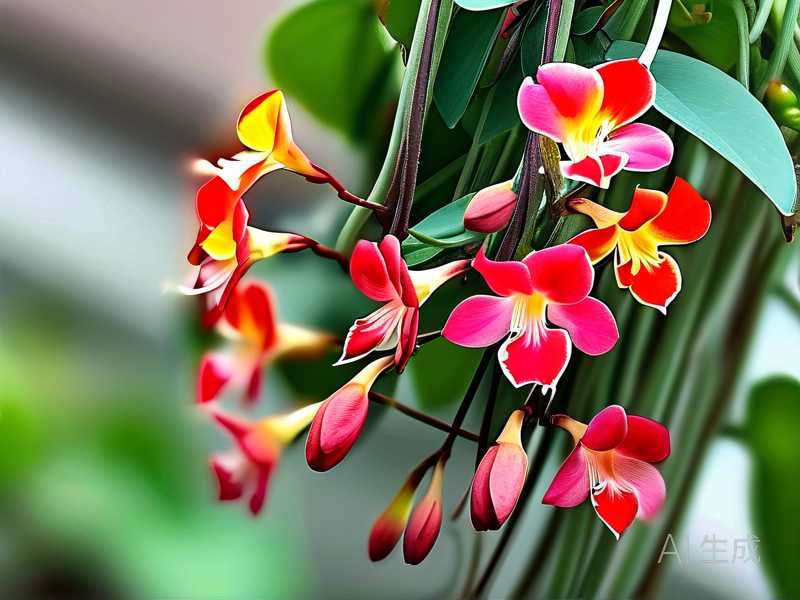
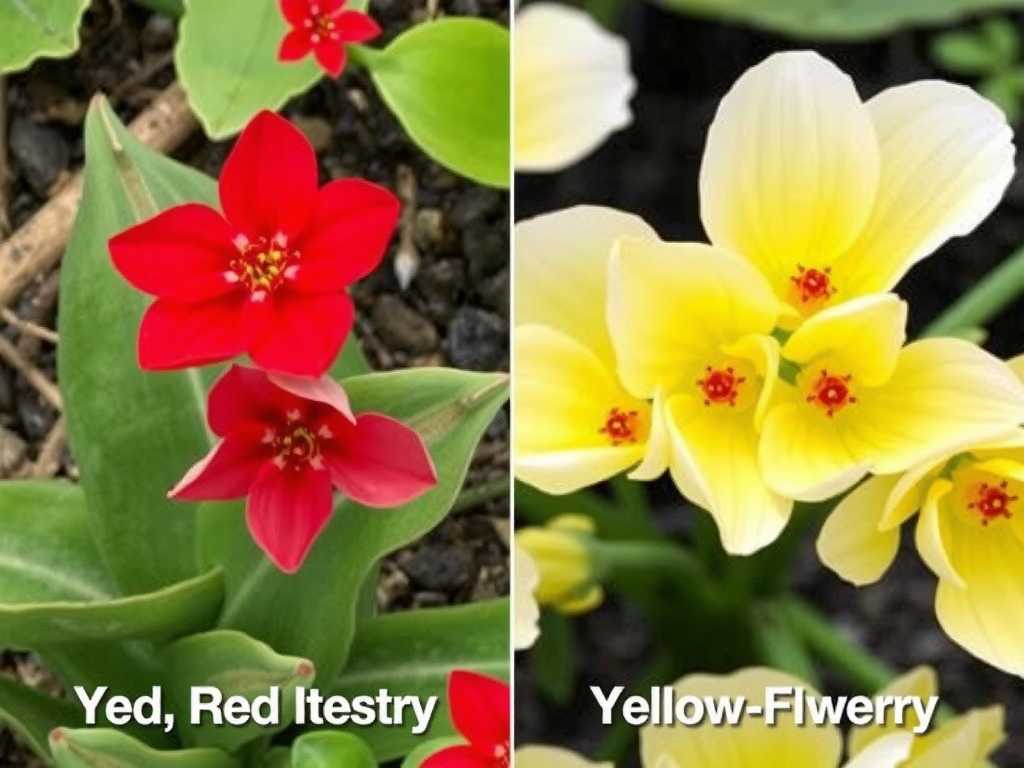
Flower structure provides the most definitive clues. True red Schlumbergera flowers, like those of the popular 'Dark Marie' or 'Red Flame', often have a multi-tiered, radial symmetry. The flower tube is usually straight or slightly curved, and the petals (actually tepals) recurve sharply backwards.
Yellow blooms, such as those on 'Gold Charm' or 'Christmas Flame', present a different architecture. The flower tube is often more pronounced and may curve upwards. The tepals tend to spread more evenly rather than sharply recurve, sometimes giving a starrier appearance. As noted by horticulturist Dr. Linda S. Smith in a recent botanical journal, "The breeding for yellow pigmentation in Schlumbergera often introduces subtle morphological shifts in floral structure, including filament length and stigma exertion."
Blooming time offers a general guideline but is not absolute. Red-flowering S. truncata varieties commonly bloom from late October through November (Thanksgiving). Yellow varieties, often complex hybrids, can bloom from late November through December and even into January. However, environmental triggers play a huge role.
The Role of Cultivar Names and Lineage
Knowing specific cultivar names is a huge help. Reputable nurseries label plants correctly. For red flowers, look for names like 'Bridgeport', 'Christmas Cheer', or 'Pasadena'. For yellow flowers, seek out 'Cambridge', 'Lemon Drop', or 'Sunset Dancer'. Keep a record of your plant's label.
Hybridization has blurred traditional lines. Many modern plants are inter-specific hybrids. A single plant, like 'Twilight Tangerine', can display flowers that shift from yellow to peach to pink. Thus, color alone is an imperfect identifier.

Step-by-Step Identification Process
Follow this simple process when examining an unknown Schlumbergera.
First, observe the stem segments in good light. Note the shape of the projections. Are they sharply pointed like crab claws (leaning red S. truncata) or more rounded and scalloped (leaning towards Christmas cactus or certain hybrids)?
Second, wait for the flower buds to form and open. Analyze the flower's shape. Does it hang down with petals sharply recurving, or does it sit more horizontally with spreading petals? Note the precise color in natural light.
Third, consider the blooming period relative to your care routine. When did you initiate cool/dark treatment, and when did buds appear? This can hint at its group.
Environmental Factors Influencing Color Perception
Light intensity dramatically affects color saturation. A red-flowered cactus in bright, indirect light will produce deeply pigmented blooms. The same plant in low light may yield washed-out, pinkish flowers. Similarly, a yellow flower can appear pale or creamy under different conditions.
Temperature during bud development is crucial. Cooler nights (around 50-55°F) intensify colors in both red and yellow varieties. Warmer temperatures might lead to lighter shades. Nutrient availability, particularly potassium and boron, can also influence color depth and vibrancy.
Frequently Asked Questions
My plant’s label said “red,” but the flowers look orange. What is it? You likely have a hybrid or a cultivar with blended pigments. Colors like orange, salmon, and fuchsia are common in modern hybrids. The naming can be subjective. Focus on the other identifying features like segment shape for a more accurate classification.
Can a single plant produce both red and yellow flowers? Typically, no. A genetically stable Schlumbergera cultivar will produce a consistent flower color. However, if your plant is producing wildly different colored flowers on different segments, it might be a grafted plant with two cultivars, or extreme environmental stress is causing color distortion.
Are yellow Schlumbergera varieties harder to care for than red ones? Not necessarily. All Schlumbergera have similar core needs: bright indirect light, well-draining soil, and proper seasonal light/temperature cues for blooming. Some rare yellow hybrids might be slightly less vigorous, but for most popular cultivars, care is identical. Success depends on understanding the plant's cycle, not its flower color.
Recognizing the subtle and not-so-subtle differences between these captivating plants deepens the gardening experience. By moving beyond simple color observation to an analysis of segment architecture, flower form, and blooming behavior, you can become proficient in identifying your holiday cacti. Whether you’re drawn to the classic crimson blooms or the sunny, cheerful yellow hybrids, each plant has a unique story told through its physical form. Start by examining the claws on the segments, then let the flowers reveal their full identity.