bluename
 How to Distinguish Big-Flower Viola Tricolor Varieties and Small-Flower Viola Tricolor Varieties?
For gardeners and plant enthusiasts, the charming viola tricolor, often called wild pansy or Johnny-jump-up, presents a delightful challenge. With countless varieties available, a common point of confusion lies in telling apart the large-flowered types from their small-flowered counterparts. Are you struggling to identify which viola tricolor you have in your garden or which to purchase for your desired landscape effect? This definitive guide will equip you with the knowledge to confidently distinguish between big-flower viola tricolor varieties and small-flower viola tricolor varieties, turning uncertainty into expertise.
Understanding this distinction is more than just botanical curiosity. It directly impacts your garden design, care routine, and overall satisfaction with these beloved plants.
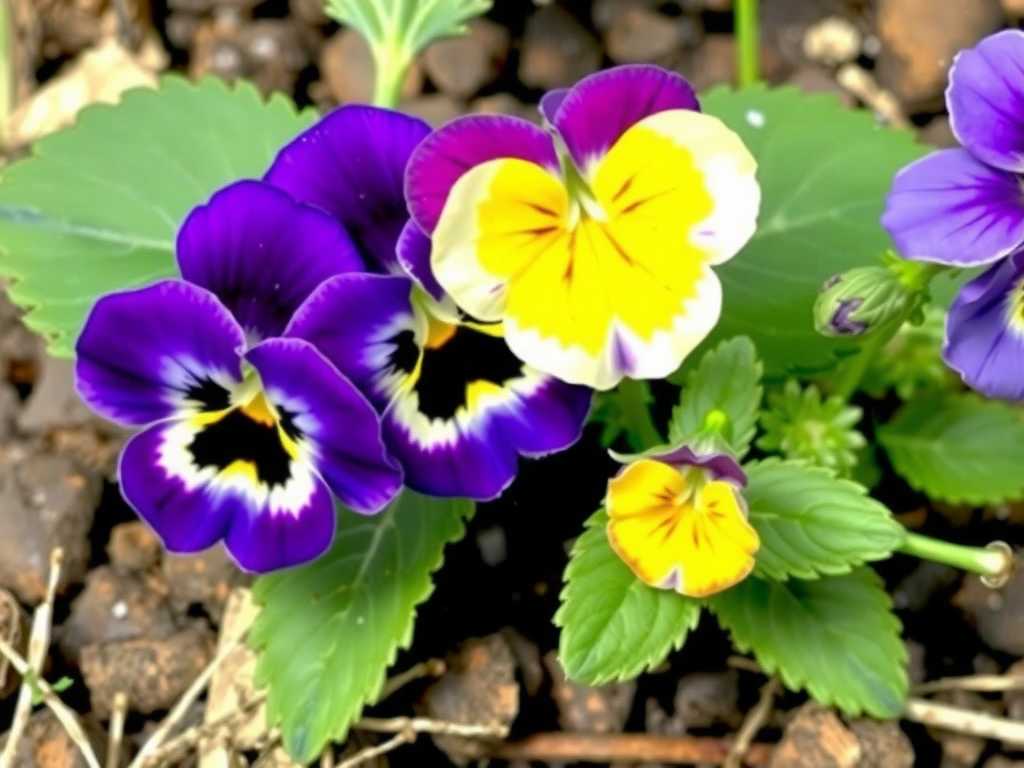
The Core Differences: A Side-by-Side Comparison
The primary differences between these two groups are visual and genetic, relating to flower size, plant habit, and breeding history. While they share the classic "face" markings, their scale and performance vary significantly.
Let's break down the key characteristics.
Flower Size and Appearance: The Most Obvious Sign
This is the most immediate and reliable differentiator.
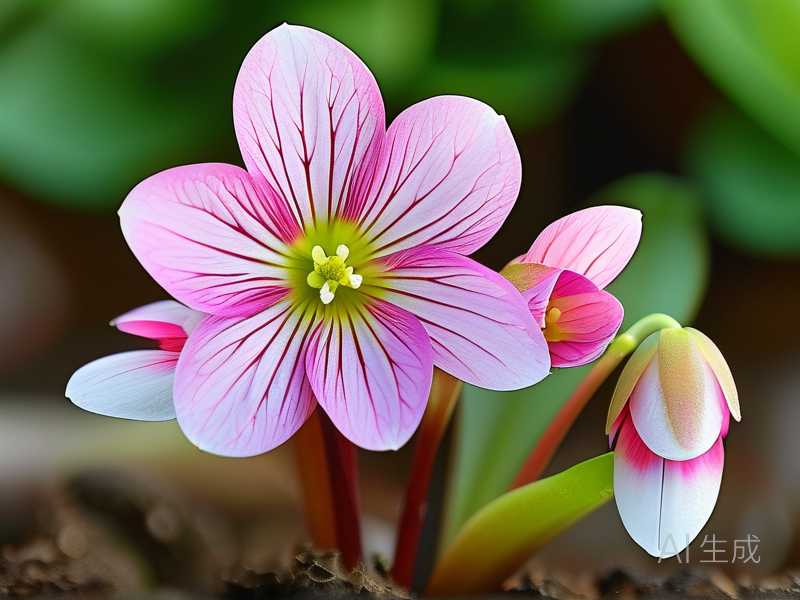
Big-flower viola tricolor varieties typically produce blooms that are 1.5 to 3 inches (4 to 7.5 cm) in diameter. The flowers are substantial, often with broad, overlapping petals that create a full, rounded appearance. They closely resemble their cousin, the garden pansy (Viola x wittrockiana), but often retain the more intricate, multi-colored "tricolor" patterning of the classic wildflower.
In contrast, small-flower viola tricolor varieties feature delicate blooms usually ranging from 0.5 to 1 inch (1.2 to 2.5 cm) across. The flowers are more numerous but dainty, creating a profuse, confetti-like effect. As noted by horticulturist Dr. Eleanor Green in The Modern Plant Hybridizer, "The small-flower violas are often closer in form to the original species, prioritizing prolific blooming over individual flower size."
Plant Habit and Growth Structure
The flower size correlates strongly with the plant's overall form.
Plants bred for large flowers tend to have a more upright and mounding habit. They channel energy into producing fewer, but show-stopping, blooms. You might see slightly larger foliage to support those substantial flowers.
Small-flower varieties often exhibit a more spreading or trailing habit. They are prolific self-seeders and can create a lovely, informal carpet of color. Their energy is directed toward quantity, covering themselves in a cloud of tiny, charming faces.
Foliage and Seasonal Performance
Observing the leaves can provide additional clues.
Big-flower types may have slightly broader, more oval-shaped leaves. They are often treated as annuals or biennials, with peak flowering in the cool seasons of spring and fall. Intense summer heat can cause them to decline.
Small-flower viola tricolor varieties frequently have more slender, lance-shaped leaves. They are notoriously hardy and resilient. Many are perennial in milder climates and can bloom almost continuously from spring through fall, tolerating temperature fluctuations better than their large-flowered relatives.
A Practical Identification Walkthrough
Follow these steps the next time you encounter an unknown viola.
First, measure or visually estimate the flower diameter. Use a coin for reference—a nickel is about 0.8 inches. Is the flower significantly larger than a nickel? It's likely a big-flower variety. Is it smaller or comparable? You're probably looking at a small-flower type.
Next, assess the plant's shape. Is it a neat, upright clump, or is it sprawling and filling in space between other plants?
Finally, count the flowers. A plant with a dozen massive blooms is a large-flower viola. A plant covered in dozens, if not hundreds, of tiny blooms is a small-flower variety.
Popular Examples to Cement Your Knowledge
Knowing specific cultivars helps solidify these concepts.
Classic examples of big-flower viola tricolor varieties include the 'Majestic Giant' series and the 'Swiss Giant' series. These are the ones you'll often see in nursery six-packs in early spring, boasting large, velvety flowers with striking dark blotches.
For small-flower viola tricolor varieties, look for species like Viola tricolor itself or heirloom mixes often sold as "Johnny-jump-up." The 'Helen Mount' cultivar is a prolific small-flowered standard. Many modern trailing violas used in containers, like those in the 'Sorbet' series, also fall into the small-flowered category, despite sometimes being labeled simply as "violas."
Why Does This Distinction Matter for Your Garden?
Choosing the right type affects your garden's look and your workload.
For bold, container-focused displays or as seasonal bedding plants where you want immediate color impact, the big-flower viola tricolor varieties are ideal. They act as focal points.
For edging paths, filling rock gardens, naturalizing in cottage gardens, or creating a long-lasting underplanting, the small-flower viola tricolor varieties are superior. Their endurance and self-seeding nature provide effortless charm year after year.
Frequently Asked Questions
Can big-flower and small-flower violas be planted together? Absolutely. They complement each other beautifully. Use the large-flowered types as "thrillers" in container centers or bedding scheme anchors, and let the small-flowered varieties spill over edges or fill in gaps at their feet. This creates depth and continuous bloom.
I have a viola that seems in-between. What is it? The line can sometimes blur due to extensive hybridization. You may have a "medium-flowered" viola, which is a common result of crossing large- and small-flowered types. Focus on its growth habit and blooming pattern to decide how to best use it in your garden. The principles of care are largely the same.
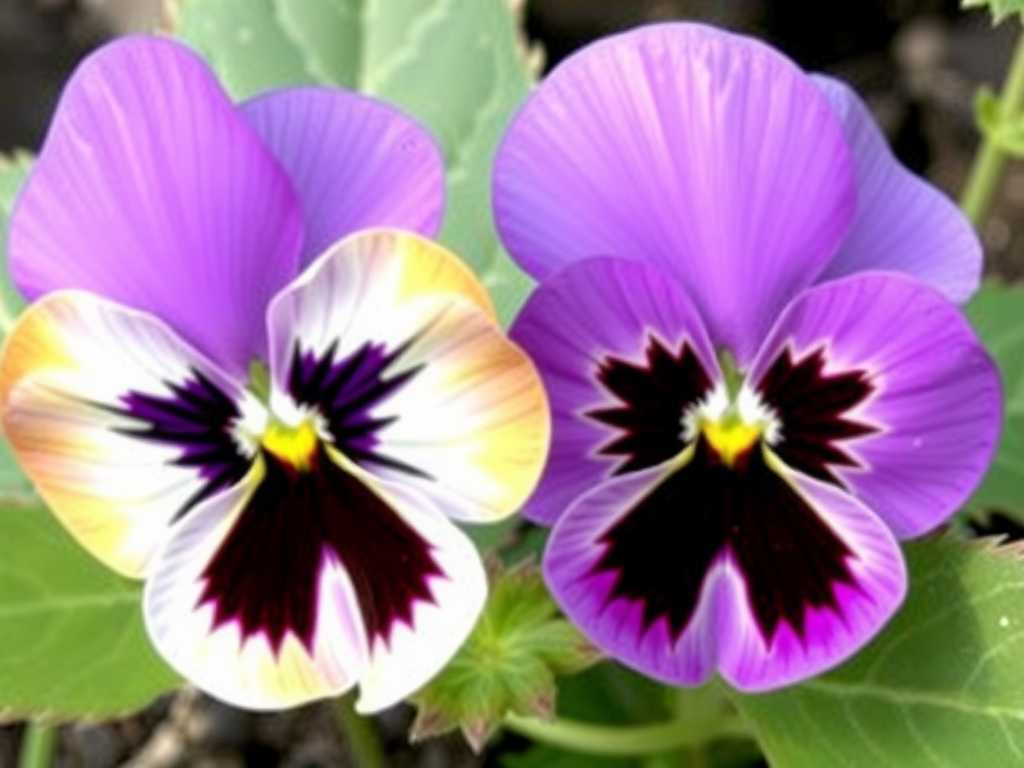
Which type is more low-maintenance and perennial? Small-flower viola tricolor varieties are generally the winners in low-maintenance and perenniality. They are more likely to self-seed reliably, survive winter, and thrive with minimal intervention. Large-flowered varieties are often more reliant on ideal cool-season conditions and regular deadheading to look their best.