bluename
 How to Quickly Recognize Four-Season Primrose Varieties and Single-Season Primrose Varieties?
Have you ever been captivated by the cheerful blooms of primroses at a garden center, only to find your purchase withers away after a single season? You’re not alone. Many gardening enthusiasts struggle to distinguish between long-blooming, perennial primroses and their stunning but short-lived counterparts. This confusion often leads to disappointment and wasted effort. Understanding the key differences is crucial for planning a garden that delivers color year after year or for creating spectacular seasonal displays. This guide will equip you with simple, practical techniques to quickly identify four-season and single-season primrose varieties, ensuring you make the perfect choice for your garden vision.
Understanding the Primrose Family
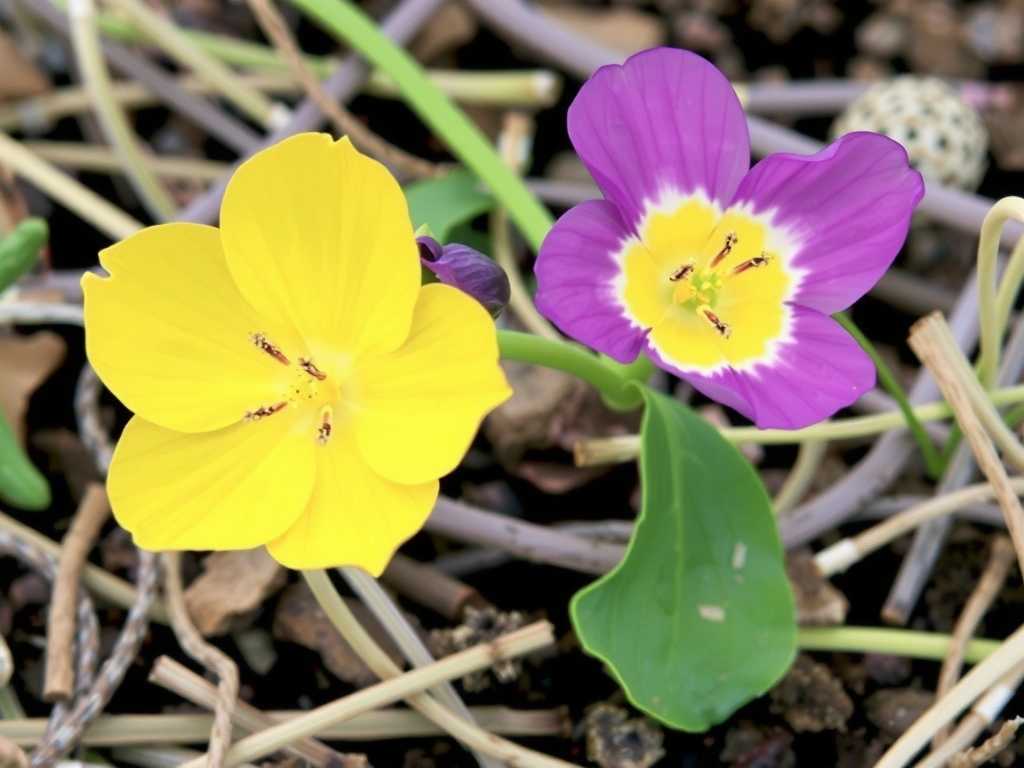
Primroses, belonging to the genus Primula, offer incredible diversity. While they all share a basic charm, their life cycles and blooming habits vary dramatically. The terms "four-season" and "single-season" are gardener-friendly classifications. "Four-season" types are typically perennial varieties that, once established, return and bloom reliably over multiple years, often with a main flush in spring and sporadic flowers thereafter. "Single-season" varieties are usually treated as annuals or biennials, putting on one magnificent, prolonged display before declining.
Key Identification Point: Foliage and Plant Habit
The first and fastest clue lies not in the flower, but in the leaves. Four-season perennial primroses, like the tough Primula vulgaris (Common Primrose) or Primula denticulata (Drumstick Primrose), often have robust, leathery, or wrinkled leaves that form a persistent basal rosette. These leaves are built to last through various conditions. In contrast, many single-season showstoppers, such as the popular Primula x polyantha (Polyanthus Primrose) often sold in pots for spring color, tend to have softer, more succulent, and sometimes larger leaves focused on supporting a massive, one-time bloom. Their growth habit is geared towards a single reproductive push.
As noted by horticulturist Dr. Eleanor Green, "A primrose's foliage is its autobiography. Perennial types tell a story of endurance with textured, evergreen or semi-evergreen leaves. Annual-focused varieties showcase tender, rapid growth optimized for a single, glorious chapter."
The Bloom Cycle: Patterns Tell the Story
Observing the flowering pattern is a definitive identification method. True four-season performers have a predictable rhythm. They burst into bloom in early to mid-spring. After this primary display, they may take a summer rest but often surprise with a few scattered flowers in autumn if conditions are cool and moist. Their bloom period, while concentrated, is part of a longer life story.
Single-season primroses operate on a different schedule. They are bred for impact, producing a continuous, overwhelming cascade of flowers for weeks or even months—often from late winter through late spring—without pause. This exhaustive effort depletes the plant's energy reserves, leading to its decline as temperatures rise. If you see a primrose in a nursery in full, flawless bloom for an extended period outside the typical early spring window, it’s likely a single-season variety.
Root System and Crown Inspection
If you have the opportunity to examine the plant out of its pot, the root system offers excellent evidence. Gently tip the container. Perennial, four-season primroses will typically have a more fibrous, multi-branched root system that looks established and firm. They may also show multiple growing points (crowns) clustered together, indicating a plant that divides and expands.
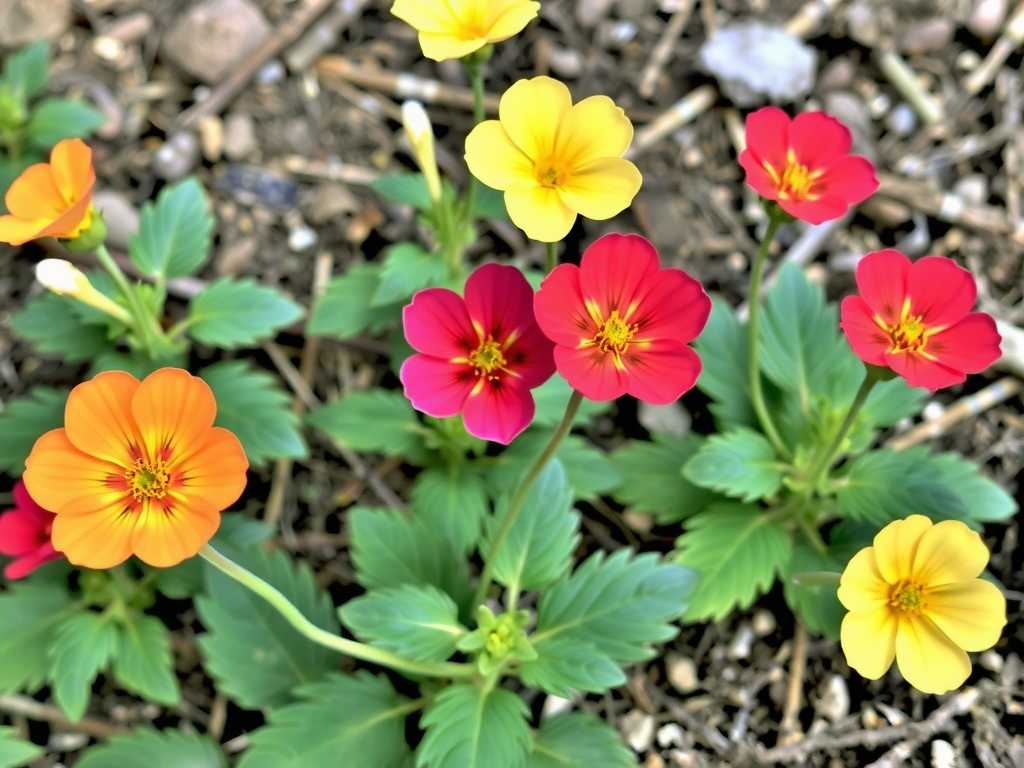
Single-season varieties, especially those forced for seasonal sales, often have a densetangle of fine roots filling the pot, optimized for quick nutrient uptake but not necessarily long-term stability. The crown may be a single, central point from which all growth emerges.
Reliable Four-Season Performer Varieties
To build your recognition skills, familiarize yourself with these dependable perennial types:
- Primula vulgaris (Common Primrose): The classic pale yellow wild primrose, with soft, wrinkled leaves and a delicate, enduring nature.
- Primula denticulata (Drumstick Primrose): Identified by its spherical flower heads on upright stems and toothed leaves.
- Primula japonica (Japanese Primrose): Thrives in damp conditions, with tiered whorls of flowers on tall stalks.
- Candelabra Primroses (e.g., Primula bulleyana): Feature layered tiers of flowers on tall stems and strongly veined leaves.
Common Single-Season (Annual/Biennial) Varieties
These are the stars of seasonal bedding and container displays:
- Primula x polyantha (Polyanthus Primrose): The most common potted primrose. Large, clustered flowers in vibrant, often bi-colored shades on top of a short stalk above a clump of soft leaves.
- Primula acaulis (Acaulis Primroses): Often sold alongside polyanthus, these have individual flowers on very short stems, nestling right within the leaf rosette. While some strains are perennial, most mass-marketed forms are bred for single-season impact.
- Primula malacoides (Fairy Primrose): Delicate, tiered sprays of small, fragrant flowers on airy stems. Almost exclusively grown as an annual.
Making the Right Choice for Your Garden
Your choice depends entirely on your goal. For permanent borders, woodland gardens, or naturalized areas, invest in four-season perennial varieties. They build presence over time. For instant color in window boxes, patio pots, or to fill seasonal gaps, the spectacular single-season primroses are unbeatable. You can treat them as long-lasting floral bouquets for your garden.
Can I get a single-season primrose to bloom again next year? It is possible but challenging. Polyanthus types, if deadheaded and moved to a cool, shaded spot after blooming, may survive to flower again the following spring, though often less vigorously. In mild climates, they can act as short-lived perennials. However, it's generally more reliable to enjoy them for one season and replant anew.
Are there any primroses that bloom in summer? Most primroses prefer cool weather. However, some perennial candelabra types (Primula japonica, P. bulleyana) are known for their late spring to early summer bloom, especially in moist, shady sites. For true summer flowers, you would look to other perennial genera.
What is the most foolproof way to know what I'm buying? Always check the plant label. Reputable nurseries will list the botanical name (Primula vulgaris) or common name and often its lifecycle ("hardy perennial" vs. "annual"). If the label only says "Primrose" or "Color Mix," lean on the visual cues: tougher leaves and simpler flowers often indicate a perennial; lush, tender foliage with massive flower clusters suggests a seasonal display.
Recognizing the difference between these two primrose types transforms your gardening experience. By examining the foliage texture, understanding the bloom cycle, and knowing key variety names, you can select plants with confidence. Whether you seek the enduring friendship of a perennial primrose or the brilliant, temporary spectacle of an annual, you now have the knowledge to choose wisely and plan a garden that meets, and exceeds, your expectations.