bluename
 How to Distinguish White-Flower Cosmos Varieties and Pink-Flower Cosmos Varieties?
Have you ever found yourself admiring a stunning patch of cosmos, captivated by their delicate, daisy-like blooms, only to wonder: are those white or pink varieties? Perhaps you’re planning your garden and want to create a specific color palette, or maybe you’re a budding botanist trying to accurately identify seedlings. Telling white-flower cosmos apart from their pink-flower cousins can be trickier than it seems, especially with the vast array of cultivars available today. This guide will clear up the confusion, providing you with a clear, step-by-step framework to confidently distinguish between white and pink cosmos varieties, from petal color to plant habits and beyond.
Understanding the key differences between white and pink cosmos is essential for any gardener or flower enthusiast. It ensures you select the right plants for your vision and care for them appropriately. Let’s dive into the definitive characteristics that set them apart.
Start with the Most Obvious Sign: Flower Color and Pattern
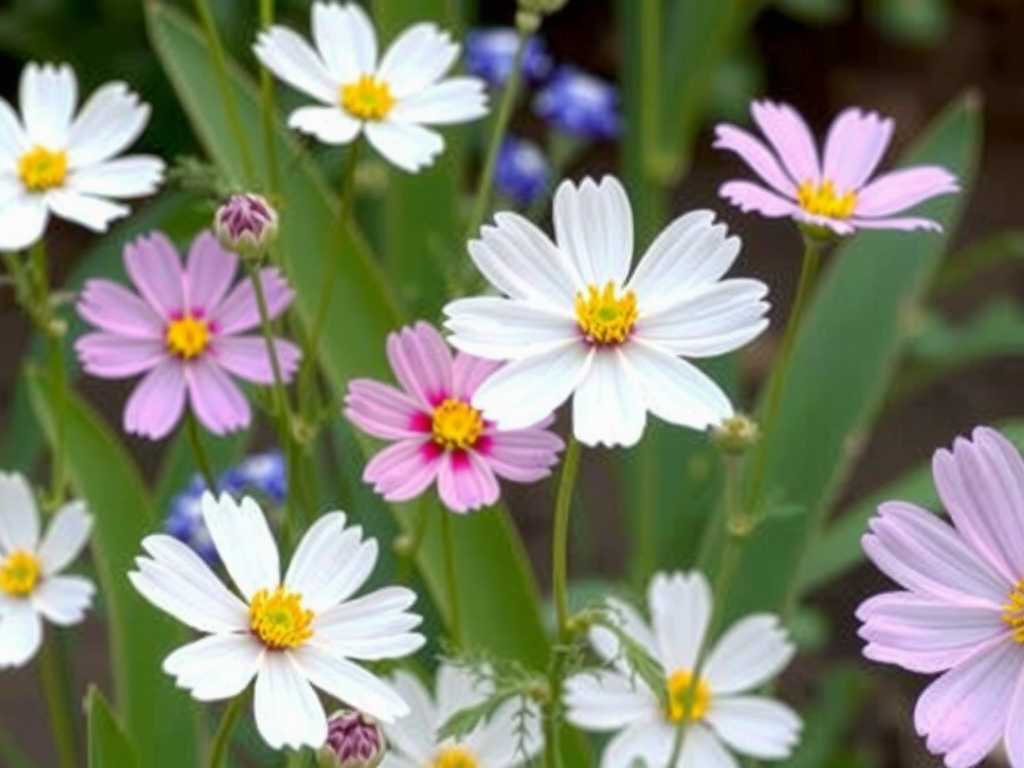
The most immediate way to distinguish white-flower cosmos from pink-flower cosmos is, unsurprisingly, by examining the blooms themselves. However, look beyond a simple glance.
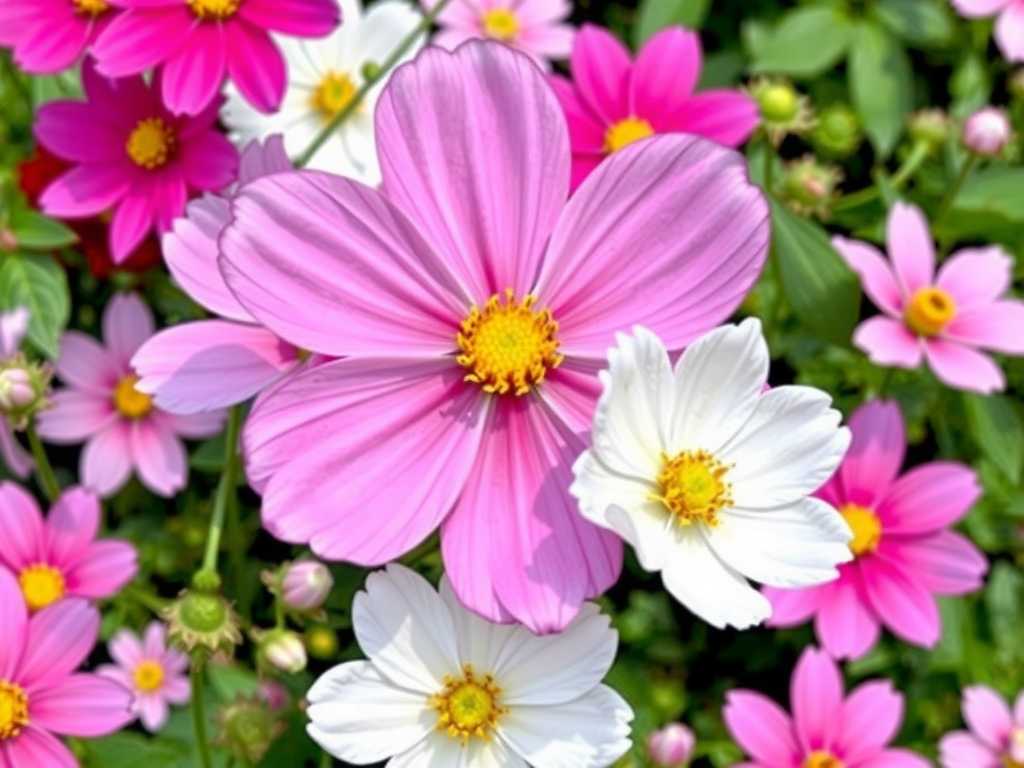
For classic white cosmos, the petals are typically a pure, clean white. They often have a luminous quality, especially in full sun. Varieties like ‘Purity’ or ‘Sonata White’ are prime examples. Sometimes, you may notice a very faint hint of cream or the palest blush at the very base of the petals, but the overall impression is decidedly white. According to horticulturist Dr. Eleanor Vance, “True white cosmos cultivars have been selectively bred for color stability, meaning the pigment genes for anthocyanins—which create pink, red, and purple hues—are largely suppressed.”
Pink cosmos, on the other hand, display a spectrum. The color can range from the softest shell pink to a vibrant, deep rose. Look for color concentration: it’s often more intense at the base of the petals and fades slightly toward the ruffled edges. Some pink varieties, like the popular ‘Sensation Mix,’ may even have subtle striations or a two-tone effect. Crucially, observe the center of the flower. In many pink cosmos, the central disc of tiny florets can have a yellowish or reddish tint that complements the pink petals, whereas in white varieties, this disc often provides a stronger golden contrast.
Examine the Foliage and Plant Structure
If the flowers aren’t present—perhaps you’re looking at young plants or seeds—the foliage and growth habit offer excellent clues.
White-flowering cosmos varieties, particularly the species Cosmos bipinnatus, often have fine, feathery, almost fern-like foliage that is a bright, lush green. The stems are typically sturdy and green. The overall plant form tends to be upright and well-branched.
Many pink cosmos varieties share this feathery foliage. However, certain cultivars, especially those with deeper pink or double flowers, might exhibit slight variations. Some may have foliage with a hint of bronze or darker green tones. More notably, look at the branching and stem color. Some darker-flowered varieties can have stems with a faint reddish or purplish blush, particularly at the nodes (where leaves join the stem). This is a subtle but reliable indicator of the pigment pathways active in the plant.
Consider the Variety and Cultivar Names
Nurseries and seed packets are your allies. Breeders usually name their cultivars descriptively.
White cosmos names often include words like: ‘Purity,’ ‘White Sonata,’ ‘Snow Sonata,’ ‘White Garden,’ or ‘Apollo White.’ These are clear signals.
Pink cosmos names are equally telling: ‘Rose Bonbon,’ ‘Candy Stripe,’ ‘Pinkie,’ ‘Daydream,’ ‘Rosetta,’ or ‘Double Click Rose Bonbon.’ Any mention of “rose,” “pink,” “blush,” or “candy” points toward pink blooms. A 2023 report from the Royal Horticultural Society noted that cultivar names are over 95% accurate in predicting flower color for major commercial seed producers.
Understand the Role of Growing Conditions
Environmental factors can sometimes influence color intensity, which is a common source of confusion.
Sunlight is a major player. Both white and pink cosmos thrive in full sun. However, pink cosmos may produce paler pink flowers in partial shade or in extremely hot climates where pigment production can be slightly reduced. Conversely, in cool, bright conditions, pink colors often appear more saturated and vibrant.
Soil pH generally has a minimal direct effect on cosmos flower color (unlike hydrangeas). However, overall plant health impacts bloom quality. Nutrient-rich, well-drained soil will produce the truest, most vibrant colors for both types. Stressed plants may produce smaller, less colorful flowers.
Special Cases and Exceptions to the Rules
The world of cosmos isn’t always black and white—or rather, white and pink. Be aware of these exceptions.
Bicolor and Picotee Varieties: Some cosmos, like ‘Candy Stripe’ or ‘Picotee,’ have white petals edged dramatically in pink or crimson. These are technically categorized with pink/colored cosmos but require their own recognition.
The “Yellow” Cosmos (Cosmos sulphureus): This is a different species altogether. It has coarser, broader leaves and flowers in warm shades of yellow, orange, and red. It will never produce the classic daisy-form white or pink flower of Cosmos bipinnatus.
Chocolate Cosmos (Cosmos atrosanguineus): Another distinct species, known for its deep maroon, almost black-red flowers and a chocolate scent. Its foliage is also different.
From Seed to Bloom: Identification at Every Stage
Your detective work can begin even before the first flower opens.
Seed Packets: Always read the description. Reputable companies provide detailed information and color pictures. The Latin name is key: Cosmos bipinnatus covers most white and pink garden varieties.
Seedlings: At the seedling stage, identification is very difficult. Focus on providing optimal light and care. The first true leaves will show the characteristic feathery shape of C. bipinnatus.
Vegetative Stage: As the plant matures, check for stem coloration (reddish tints hint at color) and observe the leaf density. Await the bud formation.
Bud Stage: This is where you’ll get your first real clue. The tips of the flower buds on pink varieties often show a hint of their color—a tiny blush of pink on the green sepals. White varieties typically show only green or a very pale, creamy tip.
Practical Tips for Garden Planning and Design
Knowing how to distinguish these varieties empowers your garden design.
For a Monochromatic Scheme: Plant masses of a single white variety like ‘Purity’ for a moon garden effect, or a single deep pink like ‘Double Click Rose Bonbon’ for dramatic impact.
For a Cottage Garden Mix: Combine white, various pinks, and maybe some crimson cosmos. The white varieties will help balance and highlight the brighter pinks, preventing the palette from becoming overwhelming. The fine foliage of all types unifies the planting.
For Cutting Gardens: Both white and pink cosmos are excellent cut flowers. White varieties provide classic elegance and blend with anything, while pink varieties add warmth and romance. Stagger plantings every 2-3 weeks for a continuous summer-long supply.
Can cosmos flowers change color from white to pink, or vice versa? No, an individual cosmos plant’s flower color is genetically determined and will not change from white to pink within its lifetime. What you see is what you get. However, environmental stress like extreme heat or poor soil can cause blooms to appear faded or less vibrant, which might be misinterpreted as a color change.
I planted seeds from a pink cosmos plant, but some grew white flowers. Why? This is common and points to the genetics of the parent plant. If the pink cosmos was a hybrid (F1 cultivar) or was open-pollinated by a nearby white cosmos, its seeds will not “come true.” The seedlings will express a mix of the parent plants’ genetic traits, leading to a variety of colors, including white. To guarantee color, purchase new seeds of a specific named cultivar each season.
What is the easiest, foolproof method to ensure I get the color I want? The single most reliable method is to purchase plants in bloom from a local nursery. This allows you to see the exact color. For seeds, stick to reputable seed companies and specific, named cultivars rather than generic “cosmos mix” packets, which often contain a surprise blend of colors.
Distinguishing between white and pink cosmos varieties becomes second nature once you know what to observe. Begin with the bloom’s color and pattern, use the foliage and stem for supporting clues, and always leverage the information on seed packets or plant tags. By understanding these distinctions, you gain complete control over your garden’s color story, ensuring that the serene whites and vibrant pinks of cosmos dance exactly as you envision them in your summer border. Whether for cutting, for pollinators, or simply for joy, the right cosmos in the right place starts with confident identification.