bluename
 How to Recognize Cut Baby's Breath Varieties and Potted Baby's Breath Varieties?
Have you ever stood in a flower shop, captivated by a cloud of delicate blooms, only to wonder exactly what type of baby's breath you're looking at? Or perhaps you've tried to grow it at home, only to find the plant behaves differently than expected. The confusion between cut flower varieties and those best suited for pots is a common pain point for gardeners and flower enthusiasts alike. Recognizing the distinct characteristics, growth habits, and care needs of each type is the key to choosing the right plant for your vase or your garden. This guide will demystify these beautiful plants, helping you confidently identify and select the perfect baby's breath for any purpose.
Understanding the Baby's Breath Family
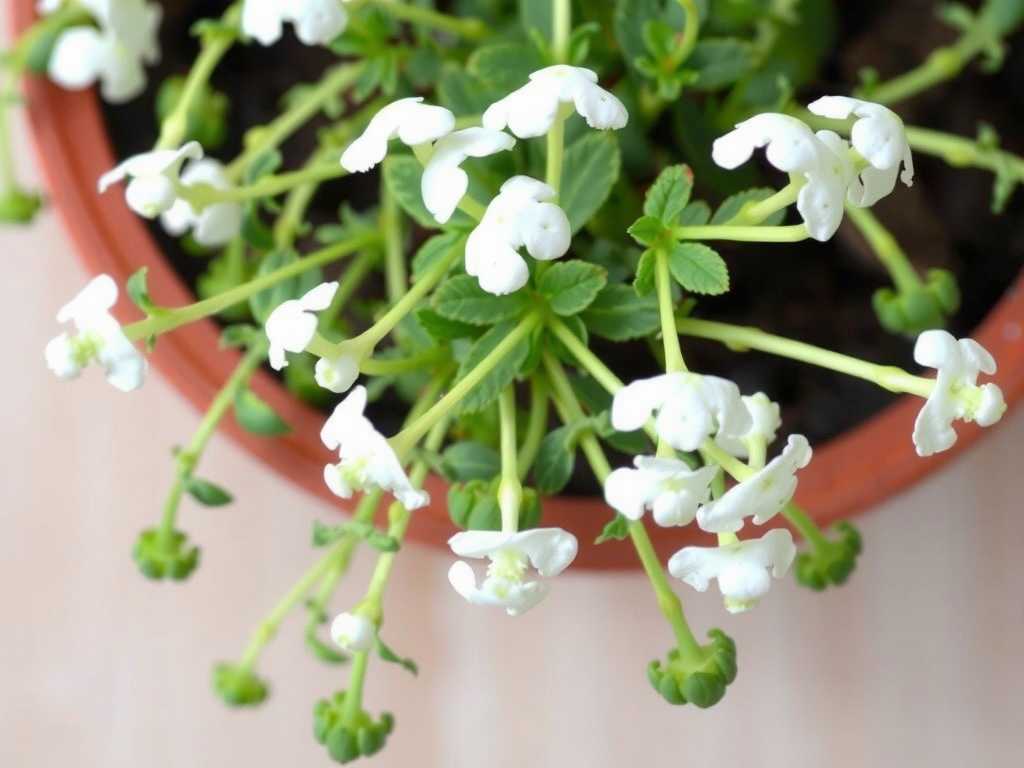
Baby's breath, scientifically known as Gypsophila, is beloved for its airy, cloud-like clusters of tiny flowers. While often seen as a filler in bouquets, it's a diverse genus with both annual and perennial species. The key to recognition lies in observing plant structure, flower form, and growth behavior. Whether you're examining a cut stem from a florist or a potted start from a nursery, a few telltale signs will point you in the right direction.
Recognizing Popular Cut Baby's Breath Varieties
Cut baby's breath varieties are bred and selected primarily for their long, sturdy stems, prolific blooming, and exceptional vase life. They are typically grown as annuals in commercial flower farms.
Gypsophila paniculata 'Bristol Fairy' This is perhaps the most iconic variety used by florists worldwide. 'Bristol Fairy' is a double-flowered cultivar, meaning its blooms are full and pom-pom-like. The stems are robust and can reach up to 3 feet in length, supporting large, billowing heads of pure white flowers. When you see a wedding bouquet with dense, cloud-like white filler, it's most likely 'Bristol Fairy'. Its durability and classic look make it a staple in the cut flower industry.
Gypsophila paniculata 'Million Stars' As the name suggests, this variety produces a breathtaking multitude of single, star-shaped white flowers. Compared to the double blooms of 'Bristol Fairy', 'Million Stars' offers a more delicate, lace-like appearance. It is a prolific bloomer on well-branched stems, creating a shimmering effect. Florists often choose it for a softer, more romantic texture in arrangements. According to a report from the Association of Specialty Cut Flower Growers, its reliable production and excellent post-harvest handling make it a favorite among commercial growers.
Gypsophila 'Xlence' This represents a newer generation of cut varieties bred for superior performance. Experts like David Franck, a noted floral crop breeder, highlight its advantages: stronger stems, larger flower panicles, and enhanced resistance to ethylene gas, which causes wilting. The flowers are a bright, clean white and hold up remarkably well during transport and in the vase. If you purchase cut baby's breath that seems exceptionally sturdy and long-lasting, it may well be an 'Xlence' type.
Colored and Tinted Varieties While white is classic, you may encounter baby's breath in soft pink or even dyed vibrant hues like blue or purple for events. Varieties like 'Pink Fairy' offer naturally pale pink double blooms. However, deeply colored stems often indicate they have been dyed post-harvest by absorbing colored water—a common practice for special occasions.
Identifying Potted Baby's Breath Varieties
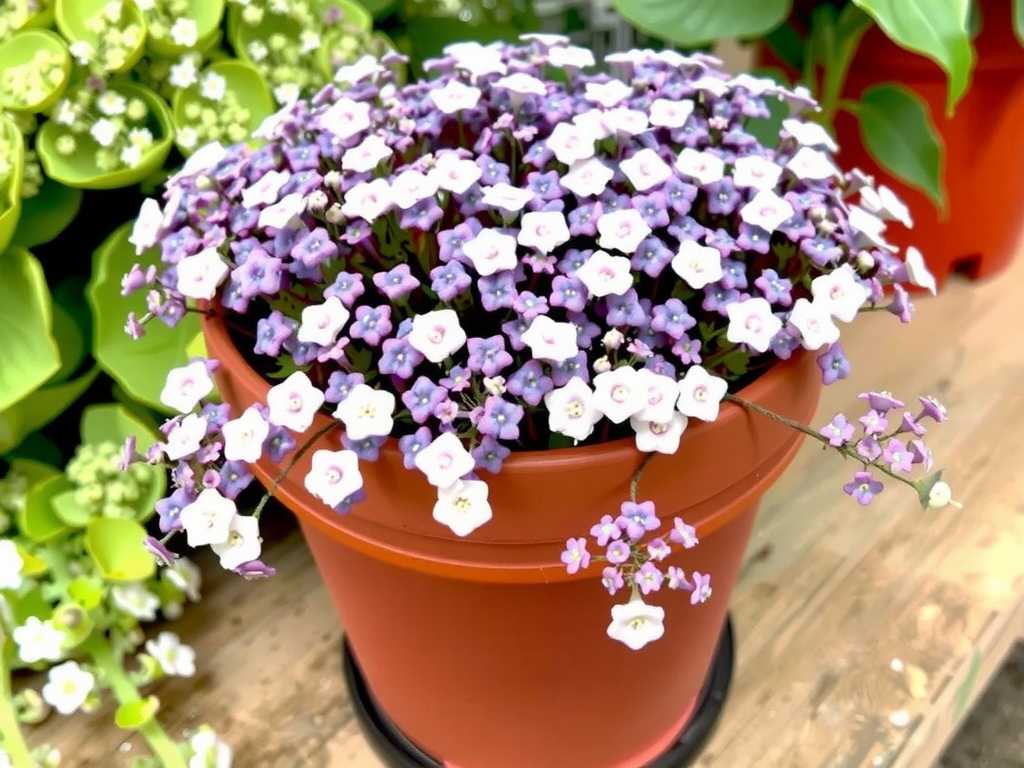
Potted baby's breath varieties are chosen for their compact, mounding, or trailing habits, making them ideal for containers, window boxes, and garden borders. They are often perennial or treated as annuals in containers.
Gypsophila muralis (Annual Baby's Breath) This is the true potted baby's breath champion. It forms low, spreading mounds only 6-10 inches tall, perfect for spilling over the edges of containers. Its flowers are smaller and more spaced out than the cut types, creating a delicate, informal carpet of pink or white. It's an annual plant, completing its life cycle in one season but providing continuous blooms throughout the summer with proper care.
Gypsophila repens 'Rosea' (Creeping Baby's Breath) This perennial variety is a superb ground cover or rock garden plant that also thrives in pots. As its name implies, it has a creeping or trailing habit. It produces a profusion of tiny, soft pink flowers in early summer. In a container, it creates a beautiful cascading effect. Its foliage is often bluish-green, adding to its ornamental value beyond the bloom period.
Gypsophila paniculata 'Compacta Plena' For those who love the double-flowered look of 'Bristol Fairy' but need a garden-friendly size, this dwarf perennial is the answer. It grows into a neat, bushy mound about 15-18 inches tall and wide. It produces the same charming double white flowers but on a scale suitable for patio pots and small garden spaces. It offers the classic look in a manageable package.
Key Differences at a Glance When trying to distinguish, remember: Cut varieties are tall (2-3 feet) with long, straight stems. Potted varieties are short (6-18 inches) with bushy or trailing habits. Cut types focus energy on a few major stems; potted types branch densely. The foliage of potted varieties is often more prominent and part of the display.
Practical Tips for Selection and Care
For Cut Flowers: When purchasing cut baby's breath, look for stems where at least one-third to one-half of the tiny flowers are open. The remainder should be in bud form. Avoid bunches with yellowing foliage or soggy, slimy stems. Upon getting them home, recut the stems and place them in fresh water with floral preservative.
For Potted Plants: Choose plants that look bushy and healthy, not leggy or wilted. Baby's breath in pots demands excellent drainage. Use a sandy, well-draining potting mix. As noted by horticulturists, the most common cause of failure is overwatering and soggy soil. Place the pot in full sun for the most abundant blooms.
Can I plant cut flower baby's breath varieties in my garden? While possible, it's often not ideal. Cut varieties like 'Bristol Fairy' are tall, perennial plants that require specific conditions (deep, sandy, alkaline soil) and can become invasive in some regions. They also need ample space and staking. For most home gardeners, the compact potted varieties are a much more manageable and successful choice.
Why does my potted baby's breath from the nursery look different from cut stems? You are likely looking at two different species. The nursery pot is almost certainly Gypsophila muralis, the low-growing annual. The cut stems are from Gypsophila paniculata, a tall perennial. They serve different purposes, hence their different structures.
How can I encourage my potted baby's breath to bloom more? The formula is simple: maximum sunlight and minimal fuss. Ensure it gets at least 6-8 hours of direct sun daily. Water only when the top inch of soil feels dry, and avoid over-fertilizing, especially with high-nitrogen formulas, which promote leafy growth at the expense of flowers. A balanced, slow-release fertilizer at planting time is usually sufficient.
Recognizing whether you have a cut variety or a potted variety of baby's breath comes down to understanding its intended purpose and growth form. The majestic, long-stemmed types like 'Bristol Fairy' are bred for the vase, bringing elegance to arrangements. The charming, compact mounds of Gypsophila muralis are designed to thrive in containers, softening edges with their delicate blooms. By paying attention to plant height, habit, and flower density, you can easily identify which is which. This knowledge ensures you provide the right care, whether you're arranging a centerpiece that lasts or cultivating a perfect pot of floral clouds for your patio.