bluename
 How to Identify Single-Petal Dianthus Varieties and Double-Petal Dianthus Varieties?
Distinguishing between single-petal and double-petal dianthus varieties can be a challenge for gardeners and flower enthusiasts. You might find yourself admiring a beautiful carnation or pinks in a garden center, unsure of its exact type and, more importantly, what its flower form means for your garden's care and aesthetic. This guide is designed to solve that exact problem. We will provide you with clear, actionable steps to confidently identify single-petal dianthus varieties and double-petal dianthus varieties, helping you make informed choices for your landscape.
Understanding the difference goes beyond mere curiosity. It affects bloom time, plant vigor, pollinator attraction, and the overall visual impact of your flower beds.
The Fundamental Difference: Petal Count and Structure
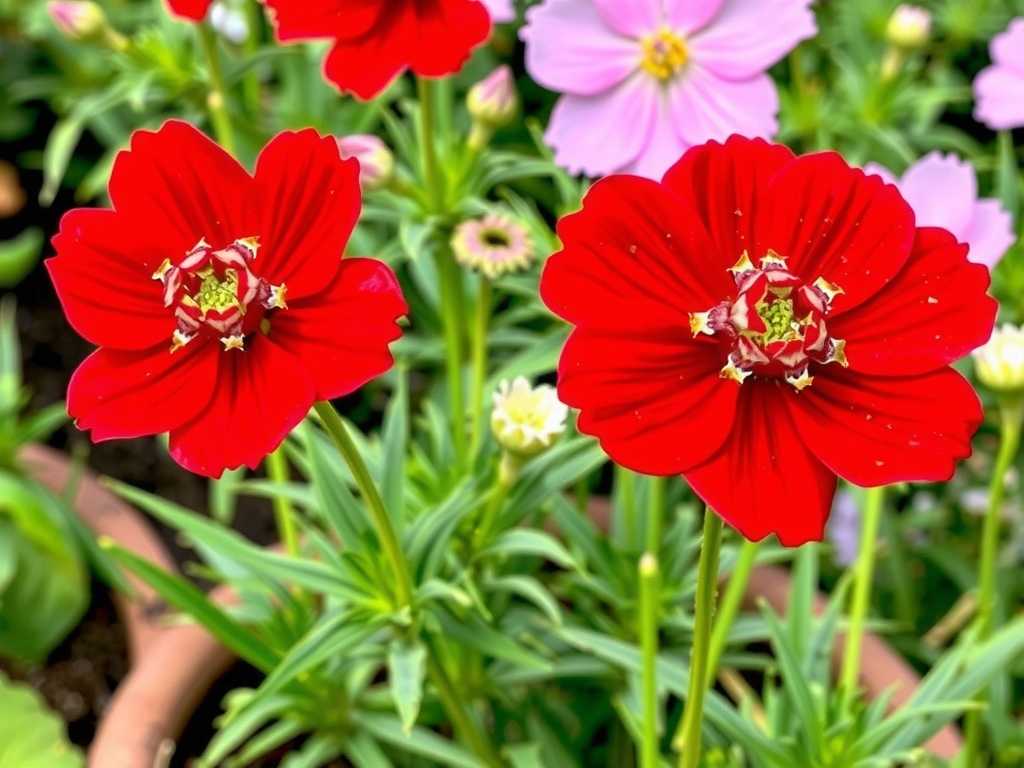
At its core, the distinction is exactly what the names suggest: petal count. However, it's not just about counting; it's about understanding flower structure.
A single-petal dianthus, often called a "single," has one row of five petals. These petals radiate from the center, typically showcasing a prominent eye or a contrasting color at the base. The center of the flower is clearly visible, containing the reproductive parts—the stamens and pistil.
A double-petal dianthus has multiple rows of petals. The extra petals often fill the center of the flower, sometimes completely obscuring the reproductive parts. This creates a fuller, more ruffled, or "carnation-like" appearance. The doubling can range from semi-double (with a few extra petals) to fully double (with a dense, pom-pom-like bloom).
A Step-by-Step Guide to Visual Identification
You can accurately identify these varieties by following a simple observational checklist.
Examine the Flower Center This is the quickest tell-tale sign. Gently part the petals or look directly into the bloom.
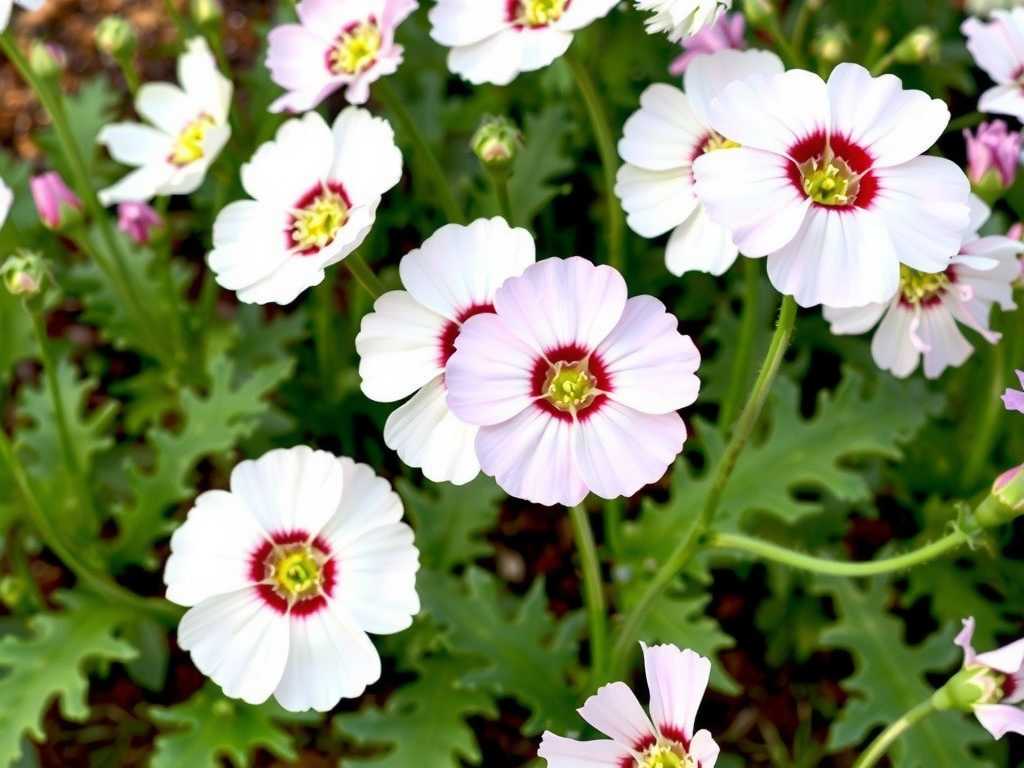
- If you clearly see a cluster of stamens (often with tiny, pollen-covered anthers) and a central pistil, you are looking at a single-petal dianthus.
- If the center is filled with more petals, with no visible stamens or pistil, it is a double-petal variety. As noted by horticulturist Dr. Alice Greenfield, "The visibility of reproductive organs is the most reliable botanical marker for distinguishing single from double flower forms in Dianthus and many other genera."
Count the Petal Rows Look at the flower profile from the side.
- Single varieties display one distinct, flat, or slightly cupped layer of petals.
- Double varieties show two or more overlapping layers, creating depth and volume. The petals may appear ruffled or serrated.
Observe the Overall Bloom Shape
- Single dianthus blooms tend to have a simpler, more open, star-like, or saucer-shaped silhouette.
- Double dianthus blooms are fuller, rounder, and denser, resembling small pom-poms or miniature carnations.
Consider the Plant's Behavior and Ecology Your observations shouldn't stop at the flower itself. The plant's interaction with its environment offers clues.
- Pollinator Activity: Single-petal dianthus are pollinator magnets. Bees, butterflies, and other insects can easily access the nectar and pollen in the open center. If you see frequent insect visitors, it's likely a single variety. Double varieties, with their inaccessible centers, offer little to no reward for pollinators.
- Seed Production: After blooming, single varieties will readily produce seed pods if flowers are not deadheaded. Double varieties, especially full doubles, are often sterile and rarely set seed because their reproductive parts are transformed into petals.
Popular Examples to Solidify Your Knowledge
Let's apply these rules to well-known types.
Common Single-Petal Dianthus Varieties:
- Dianthus deltoides (Maiden Pink): A low-growing, mat-forming species with small, single flowers, often with a distinctive dark eye.
- Many Heirloom or Species Pinks: Varieties like 'Doris' or 'Brympton Red' often feature single or semi-double flowers with laced patterns.
- Certain Border Carnations: While many are double, some older varieties exhibit single blooms.
Common Double-Petal Dianthus Varieties:
- Florist's Carnations (Dianthus caryophyllus): The classic long-stemmed cut flowers are almost exclusively fully double.
- Modern Garden Pinks (Dianthus plumarius hybrids): Cultivars like 'Sweet William' or the 'Fruit Punch' series often boast fully double, fragrant flowers.
- China Pinks (Dianthus chinensis): Many modern hybrids, such as the 'Super Parfait' series, are bred for their showy, double blooms.
Why Does This Distinction Matter for Your Garden?
Choosing between single and double dianthus impacts your garden's ecosystem and maintenance.
- For a Pollinator-Friendly Garden: Prioritize single-petal varieties. They support local bee and butterfly populations, promoting biodiversity.
- For Maximum Visual Impact and Cut Flowers: Double-petal varieties provide a lush, romantic look and longer-lasting cut blooms due to their petal density.
- For Low-Maintenance Beds: Single varieties may require more frequent deadheading to prevent self-seeding if you want a tidy appearance. Double varieties, being often sterile, may bloom for longer periods without setting seed.
- Plant Health and Longevity: Some experts suggest that single-flowered forms can be slightly more vigorous and longer-lived because they expend less energy producing excessive petals and can reproduce naturally.
Frequently Asked Questions
Can a dianthus plant produce both single and double flowers? Typically, no. A specific cultivar is genetically programmed for either single or double blooms. However, environmental stress or sport mutations can very rarely cause an anomaly, but this is not the norm.
Are double dianthus harder to grow than single ones? Not necessarily harder to grow, but they may have different requirements. Double varieties can be more susceptible to botrytis (gray mold) in wet conditions because the dense petals retain moisture. Ensuring good air circulation is key.
Which type is more fragrant? Fragrance depends more on the specific cultivar and species than on petal count. However, many of the highly fragrant old-fashioned garden pinks can be double or semi-double. It's best to check the description of the specific plant you are buying.
Whether you are drawn to the elegant simplicity and ecological benefits of single dianthus or the opulent, floral abundance of double varieties, understanding how to tell them apart empowers you as a gardener. By examining the flower center, noting the petal structure, and observing pollinator activity, you can now confidently identify any dianthus you encounter. This knowledge ensures you select the perfect plants to achieve your desired garden style, function, and beauty.