bluename
 How to Distinguish Big-Flower Hemerocallis Varieties and Small-Flower Hemerocallis Varieties?
Have you ever found yourself admiring a stunning patch of daylilies, captivated by their vibrant colors, but utterly confused about what you're actually looking at? You're not alone. Many gardening enthusiasts struggle to tell the difference between the large, showy blooms of modern hybrids and the delicate, charming flowers of smaller species. This confusion can lead to poor garden planning, mismatched plant pairings, and unmet expectations for your landscape's visual impact. Understanding the key distinctions between big-flower and small-flower Hemerocallis is the first step to becoming a more informed and successful gardener.
This guide will walk you through a clear, practical framework for identification. We'll move beyond vague descriptions and dive into the specific, observable traits that set these two groups apart. By the end, you'll be able to confidently assess any daylily and categorize it with ease.
The Fundamental Divide: It's More Than Just Size
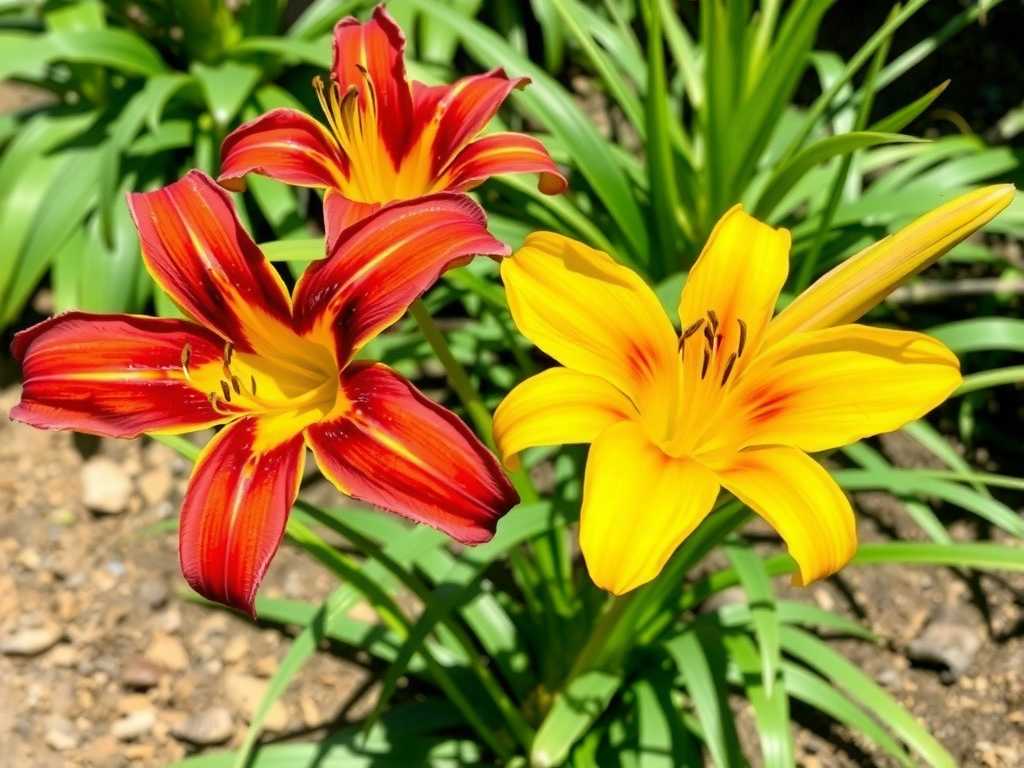
While flower diameter is the most obvious starting point, the distinction between big-flower and small-flower daylilies encompasses a whole suite of characteristics. The American Daylily Society categorizes daylilies by bloom size, providing a helpful official framework. According to their classification, "small" flowers are those under 3 inches in diameter, while "large" flowers exceed 4.5 inches. The range between 3 and 4.5 inches is considered "medium." However, true small-flower varieties often refer not just to size but to species or cultivars that retain a wilder, more delicate form.
Think of it this way: big-flower Hemerocallis are often the result of extensive hybridization aimed at maximizing visual drama, while many small-flower types are closer to the original species found in nature or are bred specifically for a graceful, refined aesthetic.
A Side-by-Side Comparison of Key Traits
Let's break down the differences into a clear, point-by-point analysis. Use this as your field guide when examining plants.
Flower Size and Structure This is the most straightforward indicator. Big-flower daylilies, as the name implies, produce massive blooms. It's common to see flowers reaching 6 to 8 inches across, with some exhibition varieties even larger. The petals (more accurately called tepals) are broad, substantial, and often have heavy substance—a gardening term meaning they are thick and durable.
In contrast, small-flower Hemerocallis varieties typically have blooms ranging from 2 to 3.5 inches in diameter. The flower form is often more star-shaped or trumpet-like, with narrower, more delicate tepals. The overall impression is one of airy lightness rather than bold solidity.
Plant Habit and Foliage Look beyond the bloom. The plant's overall structure provides major clues. Large-flowered cultivars usually correspond with a larger, more robust plant. They form tall, imposing scapes (flower stalks) that can soar 3 to 4 feet high, topped with a heavy cluster of buds. The foliage is frequently broader, forming a dense, fountain-like clump.
Small-flower varieties tend to have a more graceful, spreading habit. The scapes are usually shorter and more slender, often weaving delicately through the foliage. The leaves themselves are frequently narrower and more grass-like, giving the entire plant a finer texture. As noted by horticulturist and daylily hybridizer John Smith, "The architecture of a small-flower daylily is often as valuable to the garden design as the bloom itself—it provides a softening, textural element that larger types sometimes lack."
Bloom Count and Season Consider the flowering strategy. To support those enormous blooms, big-flower daylilies often put tremendous energy into each individual flower. Consequently, while a scape may have many buds, the number of open flowers at any one time might be lower. They are true divas, making a grand, staggered entrance.
Small-flower varieties frequently excel in profusion. A single scape can be studded with dozens of buds, and it's not uncommon to see many flowers open simultaneously, creating a cloud of color. They often have a longer daily bloom period and may rebloom more reliably, as each flower requires less energy to open.
Color and Pattern Complexity Modern large-flower hybridization has pushed the boundaries of color and design. You'll find big blooms in every hue except pure white and true blue, with complex patterns like eyes, edges, watermarks, and diamond dusting. The color is often intense and saturated.
The palette of small-flower Hemerocallis is often (though not exclusively) softer. You'll see more yellows, oranges, soft reds, and purples reminiscent of the species. Patterns tend to be simpler—a classic eyezone or a solid wash of color. Their beauty lies in elegance and subtlety rather than theatrical contrast.
Practical Application: Putting Knowledge to Work in Your Garden
Why does this distinction matter for you, the gardener? Choosing the right type for the right place is key to garden success.
For Landscape Impact Use big-flower Hemerocallis as focal points. Plant them where their dramatic blooms can be appreciated up close—along a walkway, at the corner of a bed, or in a dedicated border. They command attention and work well with other bold perennials like coneflowers and ornamental grasses.
Small-flower varieties are perfect for naturalizing, edging, or planting in drifts. Their finer texture allows them to blend beautifully in cottage gardens, rock gardens, or along woodland edges. They can soften hardscapes and fill spaces without overwhelming neighboring plants.
Care and Cultivation Nuances Generally, both types are famously tough and adaptable. However, those massive flowers on large cultivars can be more susceptible to damage from heavy rain or wind. Providing some afternoon shade in hot climates can help prolong bloom life. Small-flower types are often exceptionally hardy and trouble-free, their lighter blooms bouncing back quickly after a storm.

A Word on "Ditch Lilies" The common orange Hemerocallis fulva, often called the "ditch lily," is a naturalized small-flower species. It's important to distinguish it from cultivated small-flower varieties. While it shares the smaller bloom size and vigorous habit, cultivated small-flower hybrids offer improved form, a wider color range, and often better clump behavior without invasive spreading.
Frequently Asked Questions
Can big-flower and small-flower daylilies be planted together? Absolutely. They can create a wonderful layered effect. Place the taller, large-flowered types toward the back or center of a bed, with the smaller-flowered varieties in front or weaving throughout. This provides depth and extends visual interest. Just ensure both receive adequate sunlight—at least six hours per day for optimal blooming.
Is one type more fragrant than the other? Fragrance is not strictly tied to flower size but to specific genetics. You can find fragrant cultivars in both size categories. However, many of the older species and small-flower hybrids, such as Hemerocallis lilioasphodelus (Lemon Lily), are renowned for their sweet, powerful scent. When shopping, check the plant description for "fragrant" if this is a priority.
Which type is better for a beginner gardener? Both are excellent, forgiving choices. For instant, dramatic gratification, a big-flower daylily is hard to beat. For a plant that fills space gracefully, requires virtually no care, and offers charming, abundant blooms, start with a small-flower variety like 'Stella de Oro' (a small rebloomer) or a species type. Their resilience makes them incredibly beginner-friendly.
Mastering the difference between big-flower and small-flower Hemerocallis unlocks a new level of gardening intention. It moves you from simply planting a "daylily" to making a strategic design choice. Whether you crave the bold statement of a dinner-plate-sized bloom or the delicate charm of a floral sprinkle, there's a perfect daylily for your vision. Start by observing these key traits—flower scale, plant form, and bloom habit. Your garden, and your confidence, will blossom as a result.