bluename
 How to Quickly Recognize Wild Lily of the Valley Varieties and Horticultural Lily of the Valley Varieties?
Have you ever come across a charming patch of bell-shaped white flowers in the woods and wondered if it’s the classic wild lily of the valley? Or perhaps you’ve browsed a garden center and been puzzled by the array of cultivated varieties with different names. Distinguishing between wild and garden-grown lily of the valley can be surprisingly tricky. This guide is designed to solve that exact problem. We will provide you with clear, actionable steps to quickly recognize wild lily of the valley varieties and their horticultural counterparts. By the end, you'll be able to confidently identify these plants in any setting.
Understanding the Lily of the Valley: A Brief Botanical Overview
Lily of the valley, known scientifically as Convallaria majalis, is a beloved perennial prized for its fragrant, nodding white blooms and lush green foliage. It's crucial to know that while all plants share the same genus, significant differences exist between those found in nature and those bred for our gardens. Recognizing these differences starts with observing key characteristics like growth habit, flower structure, and foliage.
The Classic Wild Lily of the Valley: Key Identification Markers
Wild lily of the valley serves as our baseline for comparison. You'll typically find it in the cool, deciduous forests of the Northern Hemisphere.
First, examine the growth pattern. Wild plants form loose, spreading colonies via underground rhizomes. They look naturalized, not uniform. Each plant usually sends up one, or sometimes two, flowering stalks.
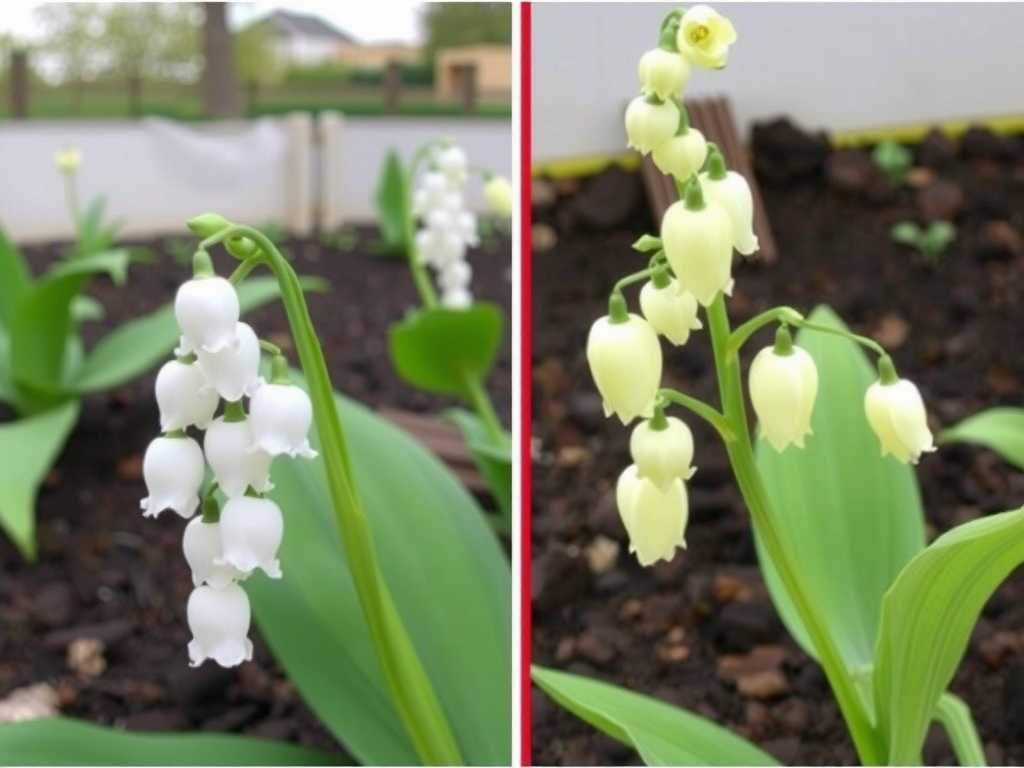
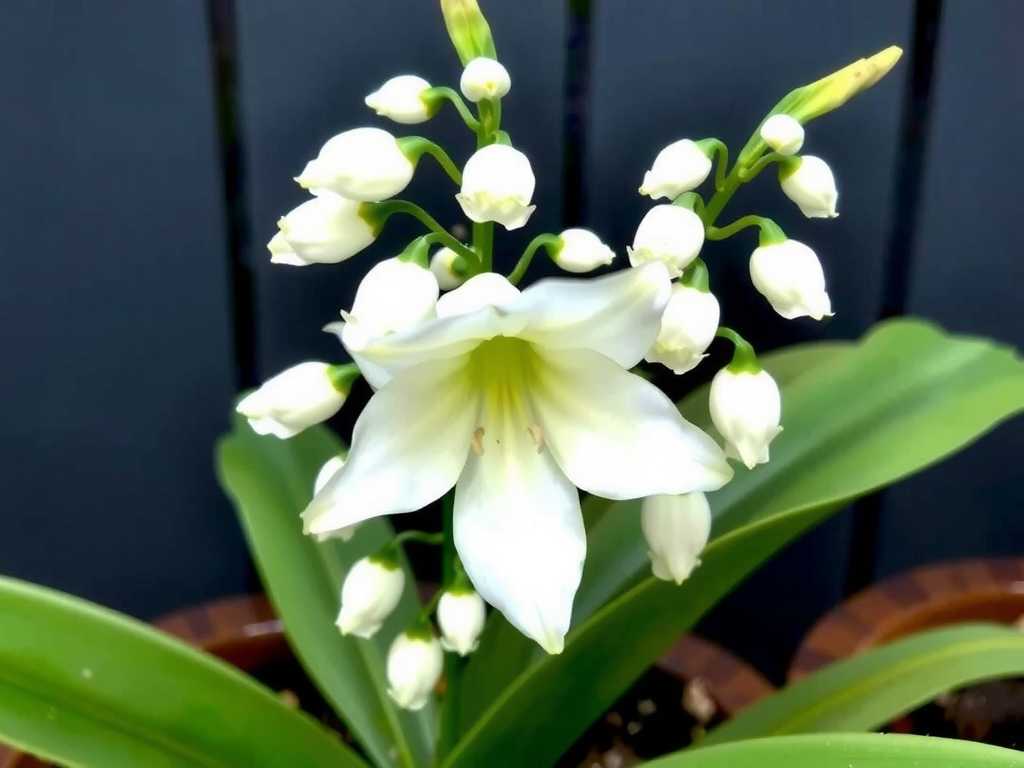
Next, look closely at the flowers. The blooms are small, pure white, and perfectly bell-shaped. They hang delicately from a slender, arching stalk called a raceme. The fragrance is intensely sweet and pervasive, a definitive hallmark of the true wild type.
Finally, inspect the leaves. Wild lily of the valley produces two (occasionally three) basal leaves per shoot. They are medium green, elliptical with parallel veins, and have a smooth texture. The leaves emerge directly from the ground, encasing the flower stem.
Recognizing Horticultural Lily of the Valley Varieties
Garden cultivars have been selectively bred for specific traits, leading to noticeable deviations from the wild form. These variations are your primary clues for identification.
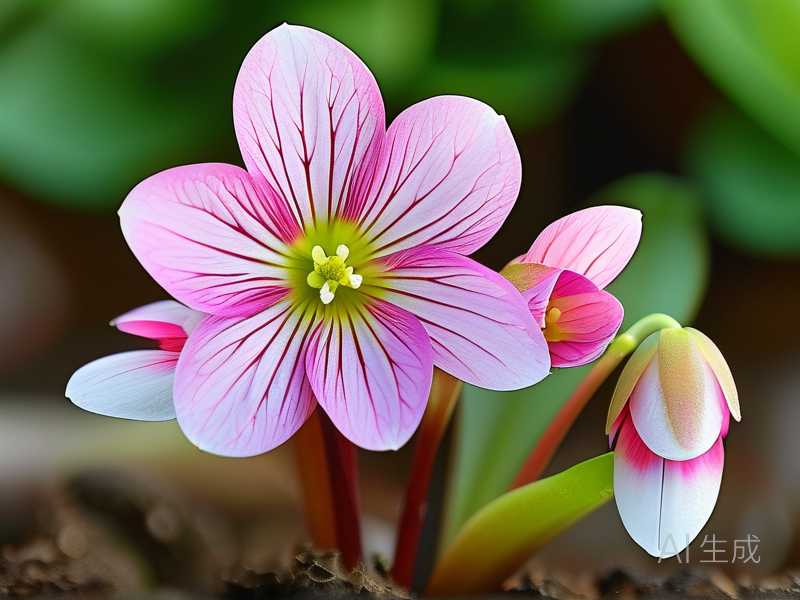
One of the most common cultivated varieties is Convallaria majalis ‘Rosea’. As the name suggests, this type features soft pink flowers instead of the classic white. It’s less vigorous than the wild form but offers a unique color twist.
For dramatic foliage, look for Convallaria majalis ‘Albostriata’. This variety has leaves adorned with creamy white or pale yellow longitudinal stripes along the veins. Even when not in bloom, it’s easily recognizable by its distinctive variegated leaves.
Another striking cultivar is Convallaria majalis ‘Fortin’s Giant’. It lives up to its name with larger overall dimensions. The flowers are bigger, the leaves are broader and taller, and the entire plant presents a more robust appearance. This is a popular choice for creating a bold ground cover.
Some varieties, like Convallaria majalis ‘Hardwick Hall’, offer green-and-gold variegation. Its leaves have irregular golden margins, making it a standout in shady garden borders. The flowers remain white.
Side-by-Side Comparison: Your Quick Recognition Checklist
To make identification fast, use this direct comparison.
Flower Color:
- Wild: Almost exclusively pure white.
- Horticultural: Can be white, pink (‘Rosea’), or rarely, double-flowered forms.
Foliage:
- Wild: Solid, medium green, smooth.
- Horticultural: Often variegated (‘Albostriata’, ‘Hardwick Hall’) or unusually large and broad (‘Fortin’s Giant’).
Growth Habit & Size:
- Wild: Loose, natural spreading; generally 6-8 inches tall.
- Horticultural: Can be more clump-forming or aggressive; size varies (e.g., ‘Fortin’s Giant’ reaches 10-12 inches).
Habitat Context:
- Wild: Found in shaded, undisturbed woodland areas.
- Horticultural: Found in gardens, parks, nurseries, and landscaped areas.
Why Accurate Recognition Matters: Beyond Simple Curiosity
Correctly identifying these plants isn't just an academic exercise. As noted by horticulturalist Dr. Eleanor Vance, "Misidentifying a vigorous wild-type lily of the valley for a delicate cultivar can lead to garden management issues, as the wild type can be highly invasive in ideal conditions." Knowing what you have helps manage its spread.
Furthermore, all parts of the lily of the valley are highly poisonous if ingested. Proper identification ensures you are aware of the risks, especially in gardens frequented by children or pets. From a conservation perspective, correctly recognizing wild populations helps in appreciating and protecting native flora without disturbing it.
Is it safe to transplant wild lily of the valley into my garden? While physically possible, it's generally discouraged. Transplanting from the wild can deplete native populations and may introduce pests or diseases to your garden. It's also often illegal on public or protected lands. For ecological and legal reasons, purchasing cultivated varieties from reputable nurseries is the recommended approach.
My garden lily of the valley has solid green leaves and white flowers. Is it the wild type? Not necessarily. Many common horticultural varieties, like the standard Convallaria majalis, appear identical to the wild type in color. It was likely propagated from a wild-type plant. The context is key—if you bought it from a garden center, it’s a cultivated plant, even if it looks "wild."
Which variety is the most fragrant? The classic white-flowered types, both wild and its direct garden descendants, are typically considered the most powerfully fragrant. Some specialty cultivars, particularly those bred for unique flower forms or leaf colors, may have a slightly less intense scent, though it is still pleasantly present.