bluename
 How to Identify Single-Petal Aquilegia Varieties and Double-Petal Aquilegia Varieties?
For many gardeners and plant enthusiasts, telling apart single-petal and double-petal aquilegia varieties can be surprisingly tricky. Columbines, with their delicate, nodding blooms, are a spring garden favorite. However, the distinction between their flower forms is crucial for garden design, pollination planning, and proper care. Misidentification can lead to disappointment if you were expecting the lavish, rose-like clusters of a double variety but planted a single one, or vice versa. This guide will provide you with clear, actionable steps to confidently identify whether your aquilegia is a single-petal or double-petal variety, enhancing your gardening expertise and ensuring your garden meets your vision.
Understanding the Basic Anatomy of an Aquilegia Flower
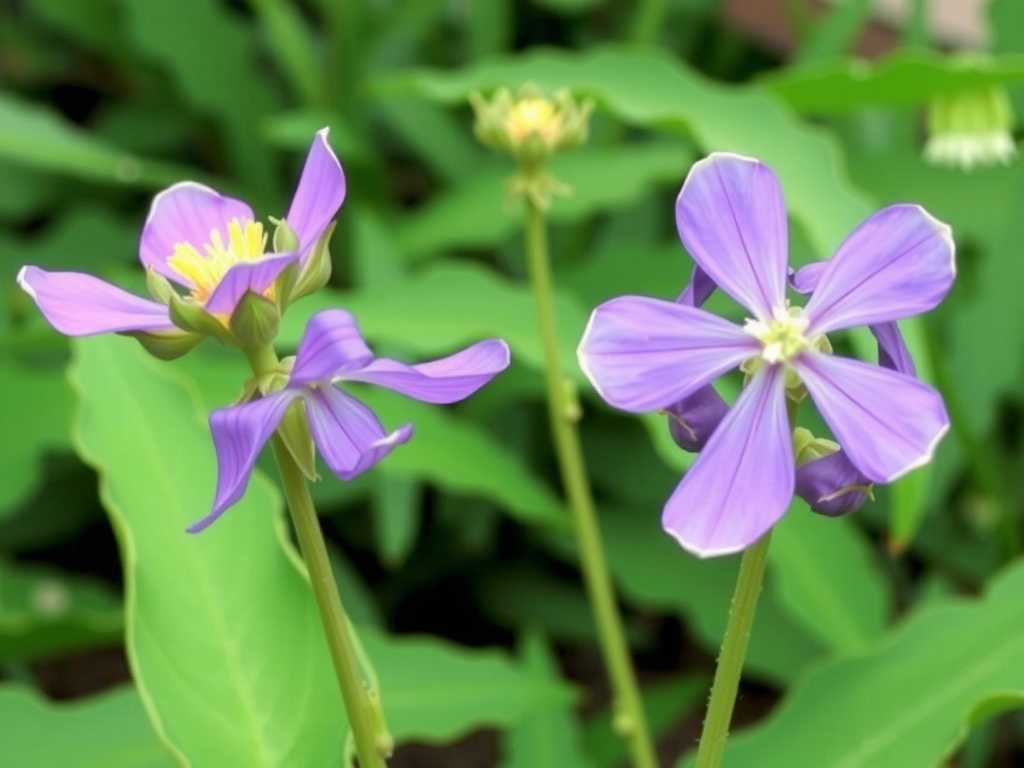
Before diving into identification, let's establish a common language for the parts of an aquilegia bloom. A classic single aquilegia flower has a very distinct structure. It consists of five outer petal-like structures called sepals. Inside these are five true petals, each elongated into a hollow, backward-projecting spur—a signature feature of columbines. The central cluster of numerous stamens and pistils is prominently visible. This is the "single" form, which is the natural, wild-type structure. Double-petal varieties, often the result of selective breeding, have undergone a transformation where some or all of the stamens and pistils have been converted into additional petaloids (small, extra petals). This fundamental difference in floral architecture is the key to all identification methods.
Step-by-Step Visual Identification Guide
The most reliable method is a simple visual inspection during peak bloom. Start by looking at the very center of the flower. In a true single-petal aquilegia, you will see a clear and distinct cluster of reproductive parts. You can easily identify the yellow-tipped stamens and the central pistils. The overall impression is open, airy, and somewhat complex.
Now, examine a suspected double-petal bloom. The center will look completely different. Instead of visible stamens and pistils, you will see a dense, crowded mass of smaller, narrower petals. These petaloids fill the center, often creating a pom-pom or rosette effect. The iconic spurs may be shorter, less defined, or sometimes even absent in fully double varieties. The bloom appears fuller, more layered, and reminiscent of a small dahlia or ranunculus.
As noted by horticulturist Dr. Eleanor Vance in the Botanical Cultivars Review, "The doubling in aquilegias is primarily a staminody, where reproductive organs become sterile petals. This not only changes the flower's appearance but also its function, as most double varieties produce little to no viable pollen or seed."
Tactile and Structural Clues
If a visual check leaves you uncertain, gently feel the flower's center. Wear a single-petal aquilegia, you can lightly touch the prominent stamens; they will feel like tiny filaments and may even leave pollen on your finger. The center is structurally open.
For a double-petal variety, your finger will touch only layers of soft petals. The center feels dense and padded, with no protruding filaments. You can also gently pry open the layers of petals at the center. If you discover more and more small petals and no visible anthers, it's a definitive sign of a double form.
Another structural clue is the flower's posture. Heavy, fully double blooms often nod more dramatically or may even require staking because their weight is greater than that of the simpler, lighter single flowers.
Considerations of Cultivar and Growth Habit
Knowing the cultivar name is a surefire shortcut. Many popular aquilegia varieties are explicitly labeled. Classic single-petal series include ‘McKana Giants’ or ‘Songbird’. Well-known double-petal varieties include the ‘Barlow’ series (like ‘Nora Barlow’), ‘Ruby Port’, or ‘Clementine’ series. Always keep plant tags or purchase records.
Furthermore, observe the plant's life cycle and behavior. Single-petal aquilegias are prolific seed producers. After flowering, they will develop distinctive five-parted seed pods that turn brown and rattle when dry. Double-petal aquilegias, due to their modified reproductive parts, often set very few seeds, if any. A plant that readily self-sows all over your garden is almost certainly a single form.
Why This Distinction Matters for Your Garden
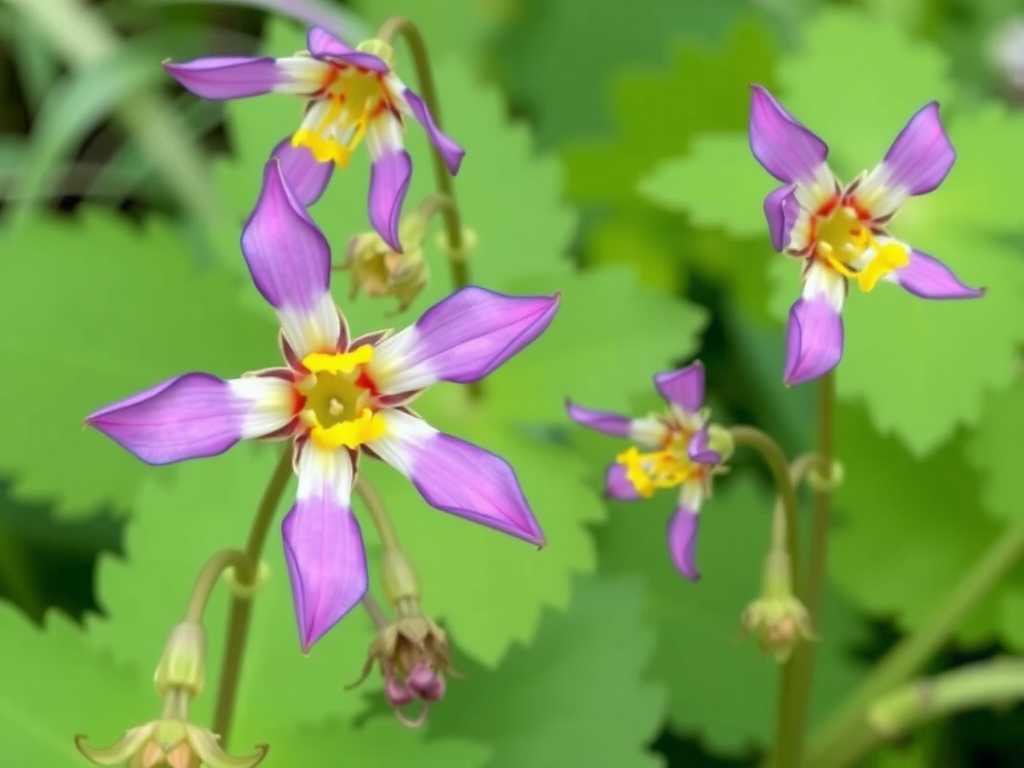
Identifying your aquilegia type isn't just an academic exercise; it has practical implications. Single-petal varieties are essential for pollinators. Their open structure and abundant pollen and nectar attract bees, hummingbirds, and butterflies. They contribute directly to the local ecosystem.
Double-petal varieties, while stunning in floral arrangements and providing a lush, romantic look, are often sterile playgrounds for pollinators. They offer little nutritional reward. This makes them ideal for gardeners who want to control self-seeding or who prioritize visual impact over wildlife support. According to a recent garden impact study by the Horticultural Society, gardens mixing both forms reported higher overall biodiversity, using singles as pollinator magnets and doubles for focal points.
Frequently Asked Questions
Can a single-petal aquilegia plant produce a double flower, or vice versa? It is extremely rare but not impossible. Sometimes, environmental stress or a genetic sport can cause a single-form plant to produce a flower with partial doubling on one stem. However, the plant's overall habit will remain true to type. A true double-petal variety is genetically bred to be stable and will not revert to a full single form across the entire plant.
Are double aquilegias harder to grow than single ones? Not necessarily. Their cultural requirements for sun, soil, and water are identical. The primary difference is propagation. Single varieties are easily grown from seed, while double varieties, due to low seed set and potential lack of genetic fidelity from seed, are best propagated by division to maintain their double-flowering characteristic.
Which type is more long-lived in the garden? Both types share the typical short-lived perennial nature of aquilegias, lasting 3-4 years on average. Longevity depends more on growing conditions—well-drained soil is critical to prevent crown rot. Double varieties might be marginally less vigorous over time because they invest more energy into producing complex flowers rather than seed, but this is a minor factor compared to site and care.
Whether you are drawn to the elegant, pollinator-friendly simplicity of single-petal aquilegias or the opulent, vintage charm of double-petal forms, understanding how to tell them apart empowers you as a gardener. By applying these visual, tactile, and contextual clues, you can accurately assess any columbine, make informed planting choices, and curate a garden that delivers both beauty and purpose. This knowledge ensures that the delightful surprise of aquilegia blooms each spring is exactly the surprise you were hoping for.