bluename
 How to Distinguish Tall Delphinium Varieties and Dwarf Delphinium Varieties?
Choosing the right delphinium for your garden can be a delightful yet sometimes confusing task. One of the most fundamental decisions gardeners face is understanding the difference between tall and dwarf delphinium varieties. Selecting the wrong type can lead to plants that are out of scale with your border, require unexpected staking, or simply don't achieve the visual impact you desired. This guide will provide you with a clear, practical framework to confidently tell them apart, ensuring you pick the perfect plant for your space.
Understanding this distinction is crucial not just for aesthetics, but for practical garden planning. Whether you're dreaming of majestic back-of-the-border spires or charming front-edge clusters, knowing how to distinguish tall delphinium varieties and dwarf delphinium varieties is the first step to success.
Key Characteristics for Comparison
The most reliable method for distinguishing between tall and dwarf delphiniums involves observing a combination of physical traits. Don't rely on a single factor; instead, consider the whole plant profile.
Mature Plant Height: The Primary Indicator
This is the most straightforward and definitive characteristic.
- Tall Delphinium Varieties: These are the giants of the delphinium world. They typically reach mature heights ranging from 4 to 8 feet, with some exceptional cultivars even surpassing that. Their commanding presence makes them classic choices for the back of cottage gardens or mixed borders.
- Dwarf Delphinium Varieties: As the name suggests, these plants are compact. Their mature height usually falls between 1 and 3 feet. This makes them ideal for container gardening, the front of borders, or smaller garden spaces where a full-sized delphinium would be overwhelming.
According to horticultural trials from the Royal Horticultural Society, the genetic difference in height is primarily controlled by specific growth hormones, leading to these distinct stature classes.
Stem Sturdiness and Staking Requirements
The height directly influences the plant's structure and care needs.
- Tall Delphiniums: Their impressive flower spikes are heavy, and their stems, while strong, often require support to prevent snapping in wind or rain. Staking is considered a non-negotiable part of caring for these varieties. Expert growers often install support rings early in the season.
- Dwarf Delphiniums: One of their greatest advantages is naturally sturdy stems. Their compact form and shorter flower spikes mean they can generally support themselves without staking. This low-maintenance trait is a key selling point for many gardeners.
Flower Spike Structure and Bloom Size
While both types produce beautiful flowers, the presentation differs.
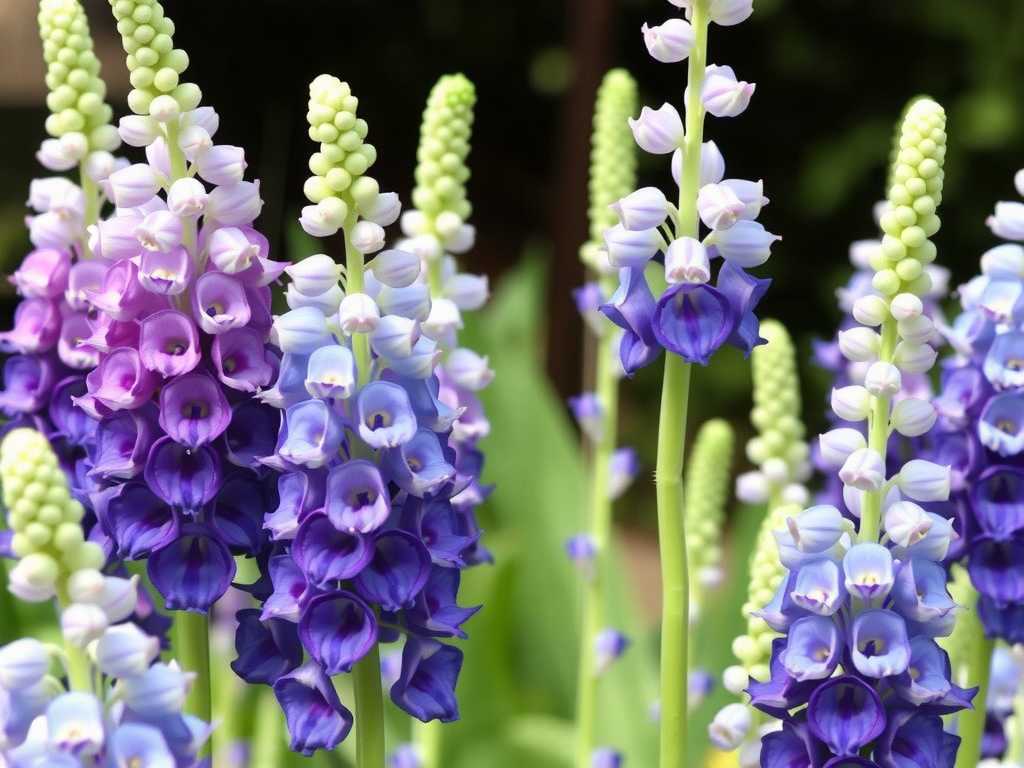
- Tall Varieties: They focus energy on creating long, towering spires densely packed with individual florets. The flower spikes themselves can be 1 to 2 feet long. The individual blooms might be slightly larger on some hybrids, but the overall effect is one of vertical drama and grandeur.
- Dwarf Varieties: Their flower spikes are shorter and often proportionally wider or fuller relative to the plant's size. They may produce multiple spikes per plant, creating a bushy, rounded mound of color rather than a single spear. The florets are just as vibrant but presented in a more condensed form.
Growth Habit and Plant Form
Observe the overall shape of the plant.
- Tall Delphiniums: Their growth habit is predominantly upright and columnar. All energy is directed skyward to form that iconic spire.
- Dwarf Delphiniums: They tend to have a bushier, more mounded habit. Even when in bloom, the plant maintains a fuller, rounded silhouette.
Practical Identification Tips at the Nursery
You often need to choose plants before they reach maturity. Here’s what to look for:
- Read the Plant Tag: This is your best source of accurate information. Reputable nurseries will list the expected mature height and often the variety series name.
- Know the Series Names: Familiarize yourself with common cultivar series.
- Common Tall Series: 'Pacific Giant', 'New Millennium', 'Magic Fountains' (which is actually a mid-height series, often topping out around 3-4 ft, but taller than true dwarfs).
- Common Dwarf Series: 'Blue Mirror', 'Dwarf Hyacinth-Flowered', 'Summer Nights'. The 'Belladonna' group (like 'Bellamosum') are more loosely branched and typically in the 3-4 foot range, acting as a mid-size option.
- Examine the Young Plant: Even as a seedling, a tall delphinium may have slightly broader, more robust leaves and a visibly stronger central growing point. A dwarf variety will appear denser and more compact from the very start.
Choosing the Right Variety for Your Garden’s Purpose
Your garden's design should guide your choice.
- When to Choose Tall Delphiniums:
- For creating a dramatic backdrop or vertical accent.
- In large cottage-style or perennial borders.
- If you are willing to provide consistent staking and care.
- For cutting gardens, as their long stems are superb for bouquets.
- When to Choose Dwarf Delphiniums:
- For the front of borders, edges, or rock gardens.
- For container gardening on patios or balconies.
- In windy sites where tall plants would be vulnerable.
- For low-maintenance gardens where staking is undesirable.
Can I turn a tall delphinium into a dwarf one through pruning? No, you cannot change the fundamental genetics of the plant. While pinching back a tall delphinium early in the season can promote bushier growth and slightly more, but shorter, flower spikes, it will not transform it into a true dwarf variety. The plant will still possess the genetic tendency for tall growth and may require support.
Are the care requirements different besides staking? The core requirements for sun (full sun), soil (fertile, well-drained), and watering are very similar. However, tall delphiniums, due to their massive growth and large flower production, are often heavier feeders. They may benefit from more frequent fertilization during the growing season. Dwarf varieties, being smaller, have proportionally smaller nutrient and water demands.
Which type is more perennial and long-lived? Both types are typically grown as short-lived perennials. There isn't a clear consensus that one is significantly longer-lived than the other. Longevity depends more on growing conditions: excellent drainage, good air circulation, proper winter mulch in cold climates, and division every 2-3 years to rejuvenate the plant. Some gardeners find that the robust constitution of certain tall hybrid series helps them persist, while others appreciate the lower stress on dwarf plants in exposed locations.
Distinguishing between tall and dwarf delphiniums ultimately comes down to a blend of knowing the expected height, understanding the structural implications, and matching the plant to your garden's vision. By paying attention to plant tags, recognizing key variety names, and observing growth habits, you can make an informed choice. Whether you opt for the sky-reaching elegance of a tall 'Pacific Giant' or the resilient charm of a dwarf 'Blue Mirror', selecting the right stature ensures your delphiniums will thrive and deliver their spectacular display for seasons to come.