bluename
 How to Identify Big-Flower Coreopsis Varieties and Small-Flower Coreopsis Varieties?
Trying to tell your big-flower coreopsis from your small-flower coreopsis can be surprisingly tricky. With dozens of cultivars and species available, gardeners often find themselves confused by the dazzling array of options. This confusion can lead to planting the wrong variety for your garden design, resulting in a mismatched aesthetic or unexpected maintenance needs. Whether you're planning a bold statement border or a delicate wildflower meadow, knowing how to identify these two distinct groups is the key to success. This guide will provide you with clear, actionable steps to confidently distinguish between big-flower and small-flower coreopsis varieties, ensuring your garden looks exactly as you envision.
Understanding the Core Characteristics
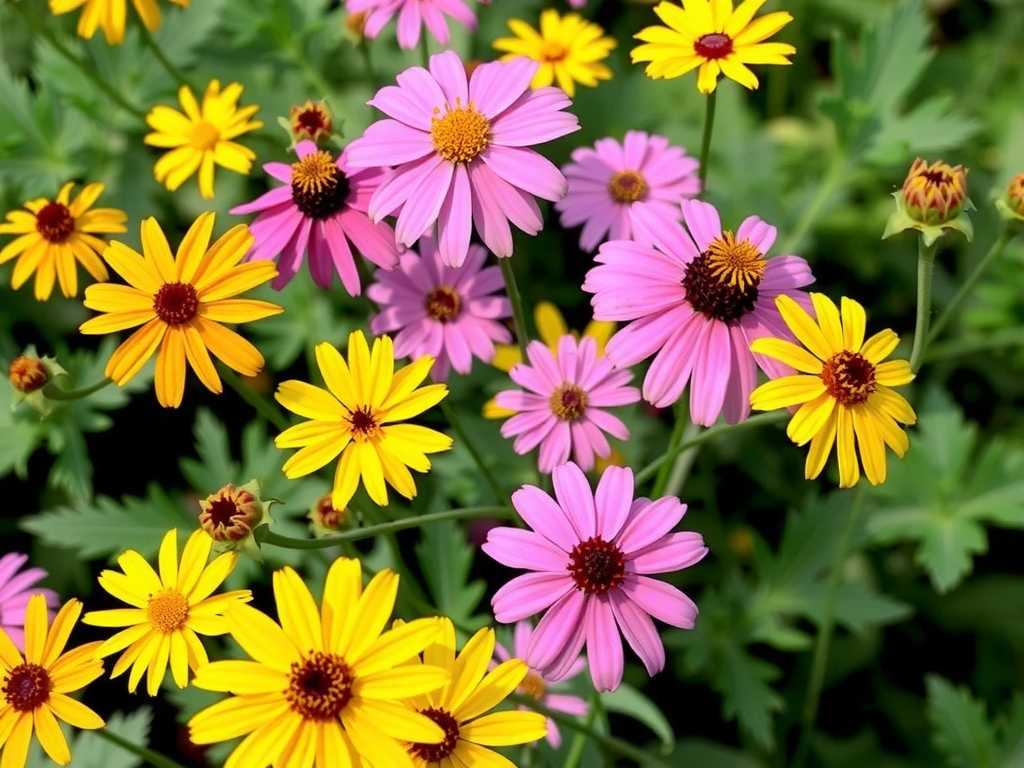
Coreopsis, commonly called tickseed, is a beloved perennial (and sometimes annual) known for its cheerful, daisy-like blooms. The primary division in identification lies in the physical scale of the flowers and the plant's overall growth habit. Big-flower types are typically bred for dramatic garden impact, while small-flower varieties often echo the plant's wilder, prairie origins. According to horticulturist Dr. Emily Grant of the National Gardening Association, "The distinction isn't just about size; it's about understanding the plant's genetic lineage and its intended role in the landscape."
Key Identification Markers: A Side-by-Side Comparison
Let's break down the most reliable features to look for. Use this as your field guide when browsing nurseries or catalogues.
Flower Size and Structure This is the most obvious starting point. Big-flower coreopsis varieties typically produce blooms that are 2 to 3 inches (5-7.5 cm) or more in diameter. The flowers are substantial, often with a prominent central disk and broad, overlapping petals (ray florets). Think of them as the showstoppers. In contrast, small-flower coreopsis varieties bear blooms usually less than 1.5 inches (4 cm) across. The flowers are more delicate and profuse, creating a cloud of color rather than a series of distinct focal points. The petals are often narrower and may be more widely spaced.
Plant Height and Form Big-flower cultivars tend to be more compact and clump-forming, with heights commonly ranging from 1 to 3 feet. Their energy is directed into producing fewer, larger flowers on sturdy stems, making them excellent for the middle of a border. Small-flower species and cultivars can be more variable. Some, like Coreopsis verticillata (threadleaf coreopsis), form airy, spreading mounds, while others, like Coreopsis tinctoria, can grow taller and more upright. They often have a finer, more textured appearance in the landscape.
Foliage Texture and Type Pay close attention to the leaves. Many popular big-flower hybrids, such as those in the 'Early Sunrise' or 'UpTick' series, feature broader, lance-shaped basal leaves. Small-flower types frequently have more delicate foliage. Coreopsis verticillata, for example, has fine, thread-like leaves that give the plant a ferny, elegant texture. This foliage difference is a major clue even when the plant is not in bloom.
Spotlight on Popular Big-Flower Coreopsis Varieties
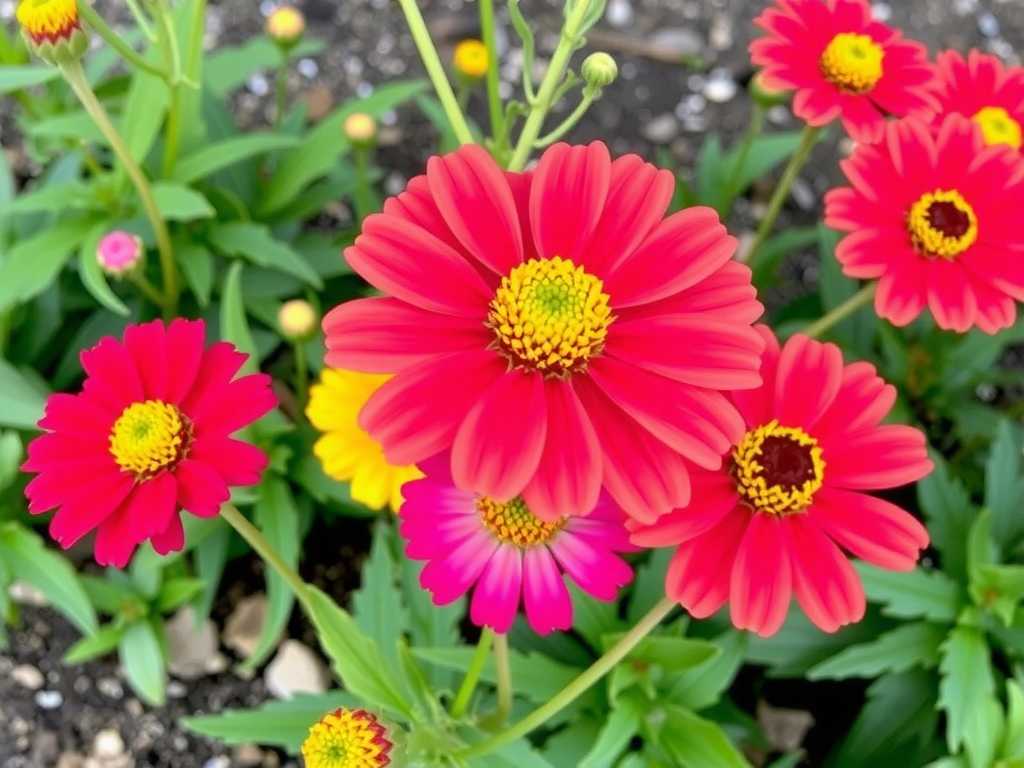
These varieties are the stars of the summer border. Look for these telltale signs of the big-flower group. The 'Early Sunrise' series is a classic example, boasting fully double or semi-double flowers that can reach 2 inches wide on compact plants. Another standout is Coreopsis grandiflora 'Sunfire', known for its large, golden-yellow blooms with a distinctive burgundy-red center ring. The 'UpTick' series, as noted in a recent Monrovia nursery report, has been bred specifically for improved habit and massive, creamy gold-and-burgundy two-toned flowers that clearly fit the big-flower profile. Their leaves are typically simple, oblong, or lobed, forming a low mound.
Spotlight on Popular Small-Flower Coreopsis Varieties
These varieties offer charm, grace, and often a longer blooming period. They are essential for naturalistic plantings. Coreopsis verticillata 'Moonbeam' is perhaps the most famous, with its pale lemon-yellow, 1-inch flowers and delicate whorls of needle-like foliage. It forms a graceful, spreading clump. Coreopsis rosea 'Sweet Dreams' offers a twist with its small, pink flowers with white tips. The species Coreopsis tinctoria (plains coreopsis), often grown as an annual, produces a profusion of small, maroon-and-yellow bicolor flowers on tall, slender stems. The foliage here is finely dissected, almost lacy.
Practical Identification Steps in the Garden or Nursery
- Measure the Bloom: Carry a small ruler or use a coin for reference. A bloom wider than a quarter (just under 1 inch) leans toward big-flower; if it's smaller and more numerous, it's likely a small-flower type.
- Assess the Overall Display: Does the plant have a few large, bold flowers, or is it covered in a haze of smaller blooms? The overall visual effect is a major indicator.
- Examine the Leaf Structure: Feel the leaves. Are they broad and smooth, or fine and thread-like? This is a reliable clue year-round.
- Check the Plant Tag: Reputable nurseries will list the species or series name. Names like grandiflora (meaning "large-flowered") or verticillata (meaning "whorled") give immediate hints.
What is the easiest way to tell them apart at a glance? Look at the flower size in relation to the plant. A compact plant with a few very large, bold blooms is almost certainly a big-flower variety. A plant smothered in dozens of smaller, delicate flowers is a small-flower type.
Can I grow big-flower and small-flower coreopsis together? Absolutely! This is an excellent design strategy. Use the big-flower varieties as focal points or drifts in the mid-border, and plant the small-flower varieties in larger drifts around them or as a softening front-of-border edge. The contrast in texture and scale creates dynamic interest.
Which type is more low-maintenance and long-lived? Generally, the small-flower species, particularly Coreopsis verticillata varieties, are known for their exceptional drought tolerance, longevity, and resistance to pests. Some big-flower hybrids can be short-lived perennials but make up for it with their spectacular show. For a "plant it and forget it" approach, lean toward the small-flower, species-type coreopsis.
Mastering the identification of big-flower and small-flower coreopsis empowers you to make perfect choices for your garden. By focusing on bloom size, plant form, and foliage texture, you can move beyond guesswork. Remember, big-flower types deliver bold punches of color, while small-flower varieties provide enduring texture and prolific charm. Use this knowledge to mix and match, creating a layered, beautiful landscape that thrives with the right plant in the right place. Your garden will thank you with seasons of vibrant, carefree color.