bluename
 How to Distinguish Purple-Flower Echinacea Varieties and White-Flower Echinacea Varieties?
You’ve fallen in love with the bold, daisy-like blooms of coneflowers, but now you’re faced with a delightful dilemma. The garden center is awash with options, from classic purple coneflowers to elegant white varieties. Telling them apart can be tricky for a new gardener. Are they the same plant with different colors, or entirely different species? Knowing how to distinguish purple-flower echinacea varieties and white-flower echinacea varieties is key to planning a cohesive garden, understanding their care needs, and making informed choices. This guide will walk you through the definitive characteristics, from botanical origins to subtle growth habits, so you can confidently identify and select the perfect coneflowers for your space.
The Foundational Difference: Species vs. Cultivars
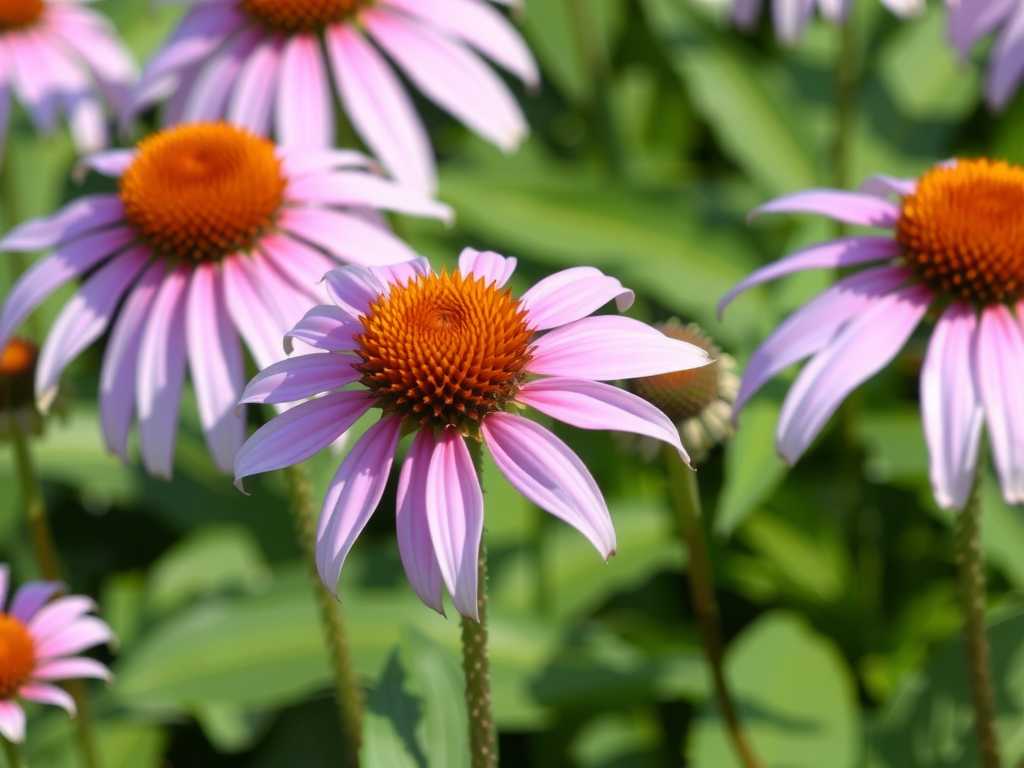
The most critical distinction lies at the botanical level. Most true purple coneflowers are derived from the species Echinacea purpurea. This native North American perennial is the progenitor of countless garden hybrids and is renowned for its robust, rosy-purple petals and coppery-orange central cones. Its color is a hallmark of the species.
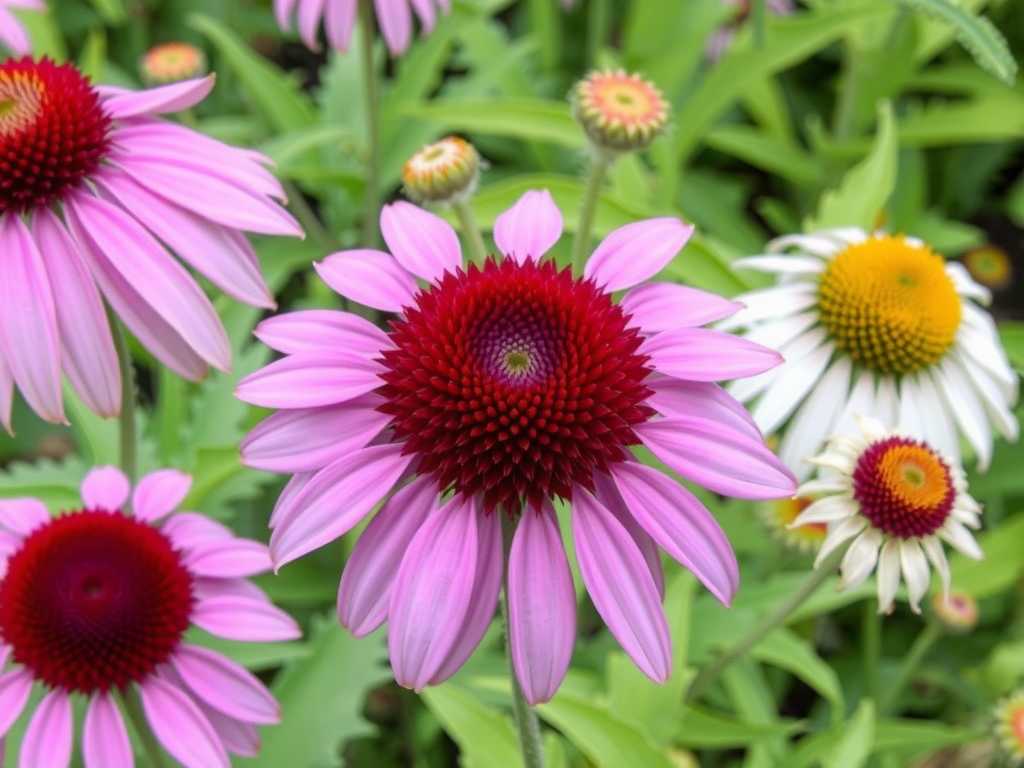
In contrast, most pure white coneflowers are cultivated varieties, or cultivars, bred from purple species. A famous example is Echinacea purpurea ‘White Swan’. This means the white color is often a result of selective breeding. There is one primary species that naturally produces white flowers: Echinacea pallida, commonly known as the Pale Purple Coneflower. However, as its name suggests, its petals are typically a very pale lavender-pink, drooping dramatically, and are not a stark, pure white. True garden whites are almost always man-made cultivars.
Key Identification Markers: A Side-by-Side Comparison
Let’s break down the specific features you should examine. While flower color is the most obvious, these supporting details will confirm your identification.
Flower Structure and Form Purple-flower echinacea, particularly E. purpurea and its hybrids, typically have petals (ray flowers) that are held horizontally or slightly reflexed (curving downward). They are wide and substantial. The central cone is prominent, starting green and maturing to a deep orange-brown. It is spiky and rounded, resembling a hedgehog (“Echinacea” comes from the Greek “echinos,” meaning hedgehog).
White-flower cultivars often mimic this structure, but some may exhibit variations. For instance, ‘White Swan’ has a graceful, more horizontal petal arrangement with a greenish-yellow central cone that matures to gold. Newer hybrid white varieties, like ‘Snow Cone’, have a much shorter, pompom-like central cone. For the species E. pallida, the identification is clear: its extremely long, thin, and drooping petals (pale pink to nearly white) are unmistakable.
Foliage and Growth Habit Examining the leaves and overall plant shape provides excellent clues. Echinacea purpurea (purple) has broad, dark green leaves with coarse, toothed edges. The leaves are ovate to lance-shaped and feel rough to the touch. The plant forms a sturdy, clumping mound.
Many white cultivars inherit this foliage. However, Echinacea pallida has distinctly different foliage. Its leaves are narrow, lance-shaped, and entire (smooth-edged), and they are notably hairy, giving them a rough texture. The plant tends to have a more upright, almost wiry form, with flower stems that can lean.
Bloom Time and Duration Generally, Echinacea purpurea and its purple cultivars have a long blooming season, from early summer well into fall, especially with deadheading. They are prolific and reliable.
Some white cultivars may have a similar bloom period, but certain species like E. pallida often bloom slightly earlier in the summer. Its bloom time can be somewhat shorter. According to horticultural trials from the Mt. Cuba Center, a leading native plant research garden, cultivated E. purpurea varieties consistently show greater garden longevity and rebloom potential than some of the other species-derived cultivars.
Scent and Pollinator Appeal This is a subtle but fascinating difference. Crush a leaf or seed head of Echinacea purpurea. It often has a distinctive, pungent, almost medicinal scent. The flowers are tremendous pollinator magnets, attracting bees, butterflies, and birds to their seed-filled cones.
White-flowered varieties attract pollinators robustly as well. However, some gardeners and experts note that the classic purple forms seem to be the absolute favorite of butterflies. The scent of E. pallida is typically milder or different from E. purpurea.
Navigating the Modern Hybrid Maze
The lines have blurred with modern breeding. Today, you’ll find coneflowers in every hue. Here’s how to apply your knowledge:
- Purple & Pink Spectrum: Varieties like ‘Magnus’ (deep purple), ‘Rubinstern’ (ruby pink), and ‘Pica Bella’ (vibrant pink) are all direct descendants of E. purpurea. Look for the broad leaves and classic cone structure.
- True Whites: Cultivars like ‘White Swan’, ‘Fragrant Angel’ (large, fragrant white), and ‘Snow Cone’ (compact with a puffball cone) are E. purpurea cultivars. Check plant tags for the Latin name.
- Near-Whites & Pale Varieties: If you see a plant labeled Echinacea pallida, expect very long, drooping, pale pink petals. A cultivar like ‘Hula Dancer’ showcases this characteristic. Hybrids like ‘Green Twister’ (white with green tips) are complex crosses but often list E. purpurea in their lineage.
Practical Tips for Garden Selection and Care
Use your identification skills to choose the right plant for the right place. Classic purple E. purpurea and its white cultivars are generally more adaptable to various soils, including clay, and have strong, sturdy stems that rarely need staking. They are the workhorses of the sunny border.
Echinacea pallida and its selections prefer well-drained, even sandy, soil and can be more drought-tolerant. Their more slender stems may flop in rich, moist soil or shade. Always match the plant’s natural preference to your garden conditions for best results. As renowned horticulturist Allan Armitage notes in his reference books, “E. purpurea is the most garden-worthy of the species, tolerating more moisture and division than its relatives.”
I want a coneflower that reliably comes back every year. Which type is best? For perennial longevity and hardiness, you can’t go wrong with the classic Echinacea purpurea varieties, both purple and white (E. purpurea cultivars). They have proven, vigorous constitutions. Some of the newer, more complex hybrid coneflowers in unusual colors can be less long-lived.
Are white coneflowers less attractive to pollinators than purple ones? While the classic purple is often cited as the top pollinator draw, white coneflowers are still excellent pollinator plants. Bees and butterflies will readily visit them. The shape of the central cone and the availability of pollen and nectar are more critical than color alone.
Can I save seeds from a white coneflower to grow more white ones? Maybe, but it’s not guaranteed. If your white coneflower is a cultivar (its name is in single quotes, like ‘White Swan’), seeds saved from it may not produce identical white plants. They could revert to a different color or form. For a true copy, plants should be propagated by division in spring or fall.
Understanding the distinction between these beautiful plants empowers you as a gardener. It moves you beyond simply picking a color to making a choice based on plant history, structure, and adaptability. Whether you select the native robustness of a purple Echinacea purpurea, the elegant simplicity of a cultivated white ‘Fragrant Angel’, or the graceful, drooping petals of the species E. pallida, you are now equipped to appreciate their unique qualities. Use this knowledge to create a garden that is not only visually stunning but also ecologically thoughtful and perfectly suited to your landscape.