bluename
 How to Quickly Recognize Single-Petal Gaillardia Varieties and Double-Petal Gaillardia Varieties?
Have you ever been captivated by a patch of vibrant gaillardia, only to wonder exactly what type you’re looking at? Distinguishing between single-petal and double-petal gaillardia varieties can be confusing for gardeners and flower enthusiasts. This quick identification is crucial for planning your garden design, understanding care needs, and ensuring you get the exact bloom style you desire. This guide will equip you with simple, visual cues to master the art of telling these stunning flowers apart in seconds.
Understanding the basic flower structure of gaillardia is the first step. All gaillardias, commonly called blanket flowers, belong to the Asteraceae family. This means their flower heads are actually composite structures made up of two types of florets. The recognition process hinges on observing the development and dominance of these specific parts.
The Hallmarks of Single-Petal Gaillardia
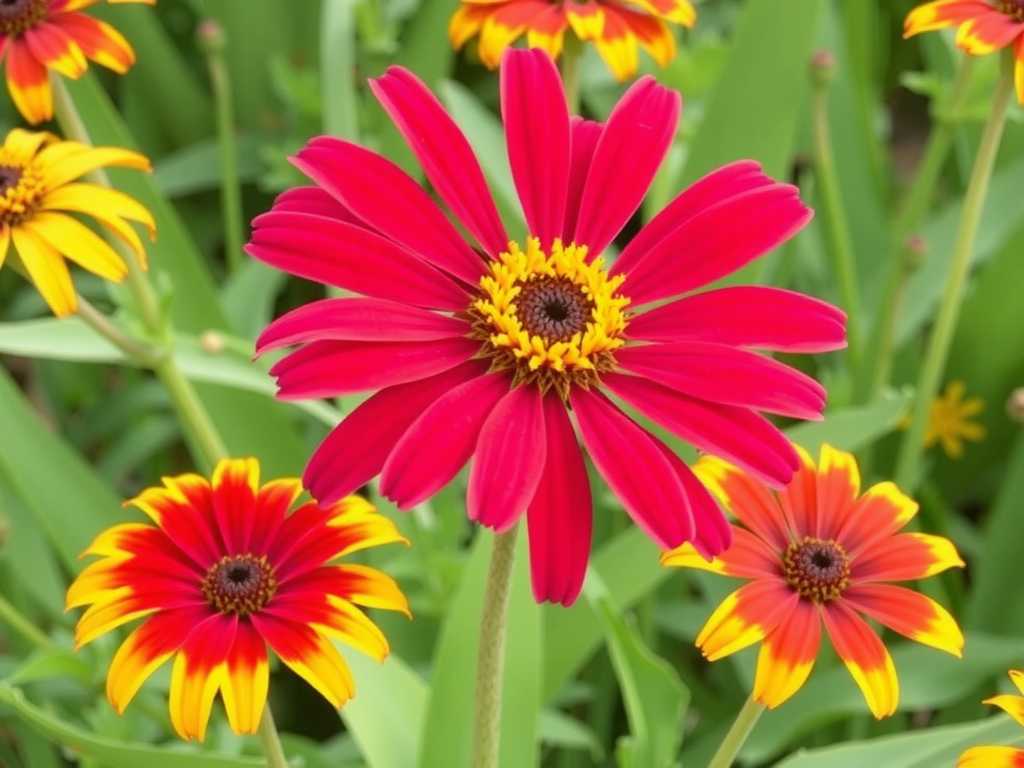
Single-petal gaillardias showcase the classic, daisy-like form that is most familiar. They present a clear and distinct two-part architecture that is easy to spot.
The most prominent feature is a central disc. This disc is a dense, rounded cluster of hundreds of tiny, tubular florets. These are the fertile part of the flower, which will produce seeds. The disc is often dome-shaped and can range in color from deep burgundy and rusty red to dark brown or even yellow.
Radiating from the central disc is a single row of ray florets. These are the showy "petals" that surround the center. In single varieties, these ray florets are typically long, flat, or slightly reflexed, and they occur in just one distinct ring. The classic look features petals in fiery hues of red, orange, and yellow, often with gradient or banded patterns. The clear separation between the central disc and the ray florets creates an open, inviting look that is highly attractive to pollinators like bees and butterflies.
Popular examples include the native Gaillardia aristata (Common Blanket Flower) and cultivars like ‘Arizona Sun’ and ‘Goblin’. These varieties are known for their prolific blooming and rugged, drought-tolerant nature.
Identifying Double-Petal Gaillardia Varieties
Double-petal gaillardias offer a fuller, more extravagant appearance. The transformation involves a fascinating change in the flower's morphology, leading to a dramatically different visual effect.
The key identifier is the obscured or absent central disc. In fully double varieties, the central disc of tubular florets is either completely hidden or has transformed into additional petal-like structures. You won’t see the classic dark, button-like center. Instead, the entire flower head is filled with layers of ray florets.
Instead of a single ring, you will observe multiple layers of ray florets. These florets are often shorter, quilled, or ruffled compared to their single-petal counterparts. They densely pack the flower head, creating a pom-pom or cushion-like effect. The color patterns might be more solid or complexly variegated, but the lack of a visible central disc is the immediate giveaway.
Some varieties, like ‘Mesa Yellow’ or ‘Mesa Red’, represent a semi-double form. They may show a small, partially visible central disc surrounded by several rows of ray florets, offering a middle ground between the two types. The fully double ‘Fanfare’ cultivar is famous for its unique trumpet-shaped ray florets that create a pinwheel effect.
Side-by-Side Comparison: A Quick-Reference Checklist
When you’re in the garden center or walking through a park, run through this mental checklist:
-
Flower Center:
- Single-Petal: Clearly visible, raised, dark central disc.
- Double-Petal: Obscured, flat, or completely absent center.
-
"Petals" (Ray Florets):
- Single-Petal: One primary row, long and flat.
- Double-Petal: Multiple dense layers, often ruffled or quilled.
-
Overall Form:
- Single-Petal: Daisy-like, open, and flat.
- Double-Petal: Pom-pom, cushion-like, or densely layered.
-
Pollinator Activity:
- Single-Petal: Frequently visited by bees and butterflies.
- Double-Petal: Less accessible to pollinators due to the dense structure.
Horticulturist Dr. Linda M. Smith notes, "The doubling in flowers like gaillardia often results from a mutation where the reproductive stamens convert into extra petals. This creates stunning visual appeal for gardeners, though it can sometimes reduce a plant's seed production capability."
Why Does This Distinction Matter for Your Garden?
Knowing the difference isn't just academic; it impacts your garden's ecology and aesthetics. Single-petal varieties are superior pollinator plants, providing essential nectar and pollen. Their open form fits perfectly into prairie-style or wildlife gardens. Double-petal varieties serve as exceptional focal points in borders and containers, offering a longer visual impact with their intricate, long-lasting blooms. They are bred for maximum floral display and often have exceptional bloom longevity.
Frequently Asked Questions
Are double-petal gaillardias harder to grow than single-petal types? Not necessarily. Both types share similar core requirements: full sun and well-drained soil. Modern double varieties, like the Mesa series, have been bred for vigor and disease resistance comparable to single forms. The primary difference lies in their purpose, not their difficulty.
Can I save seeds from double-petal gaillardia? It can be challenging. Since double flowers often have reduced or transformed reproductive parts, they may produce little to no viable seed. For propagation, it’s more reliable to divide the clumps of perennial varieties or purchase new seeds/plants for annual types.
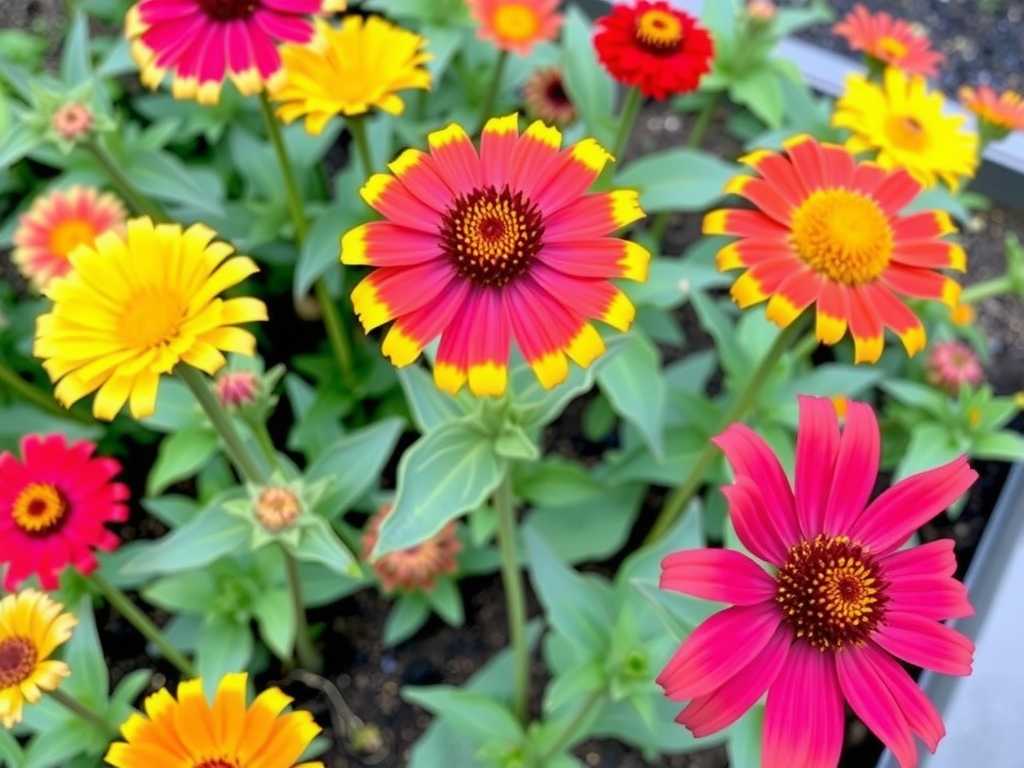
Which type blooms longer? Both are prolific bloomers from early summer to fall. However, double-petal flowers often have a slight edge in individual bloom longevity on the plant. The dense layers protect the inner florets, allowing the flower head to remain attractive for a longer period before setting seed, a process that signals the plant to stop investing in that bloom.
Mastering the quick recognition of single versus double gaillardia deepens your appreciation for this versatile genus. By focusing on the presence or absence of the dark central disc and the layering of the petals, you can instantly categorize any blanket flower you encounter. Whether you choose the pollinator-friendly single forms or the opulent double blooms, you’re guaranteed a spectacular show of color and resilience in your garden.