bluename
 How to Identify Striped Gazania Varieties and Solid-Color Gazania Varieties
Have you ever been captivated by a vibrant patch of gazanias, only to wonder exactly what type you're looking at? Distinguishing between the dazzling striped gazania varieties and the bold solid-color gazania varieties can be puzzling for gardeners and flower enthusiasts. This guide will provide you with a clear, expert-backed framework to confidently identify these popular South African natives, ensuring you can select, name, and care for the perfect blooms for your garden.
Understanding the Gazania Family
Before diving into color patterns, it's helpful to know a bit about the plant itself. Gazanias, often called treasure flowers, are sun-loving perennials typically grown as annuals in cooler climates. They belong to the Asteraceae family and are renowned for their daisy-like flowers that close at night and on cloudy days. According to horticulturalists at the Royal Horticultural Society, the most common garden varieties are hybrids derived from several species, primarily Gazania rigens. This hybridization has led to an incredible explosion of colors and patterns, which we can categorize broadly into striped and solid-color types.
Key Identification Features for Striped Gazania Varieties
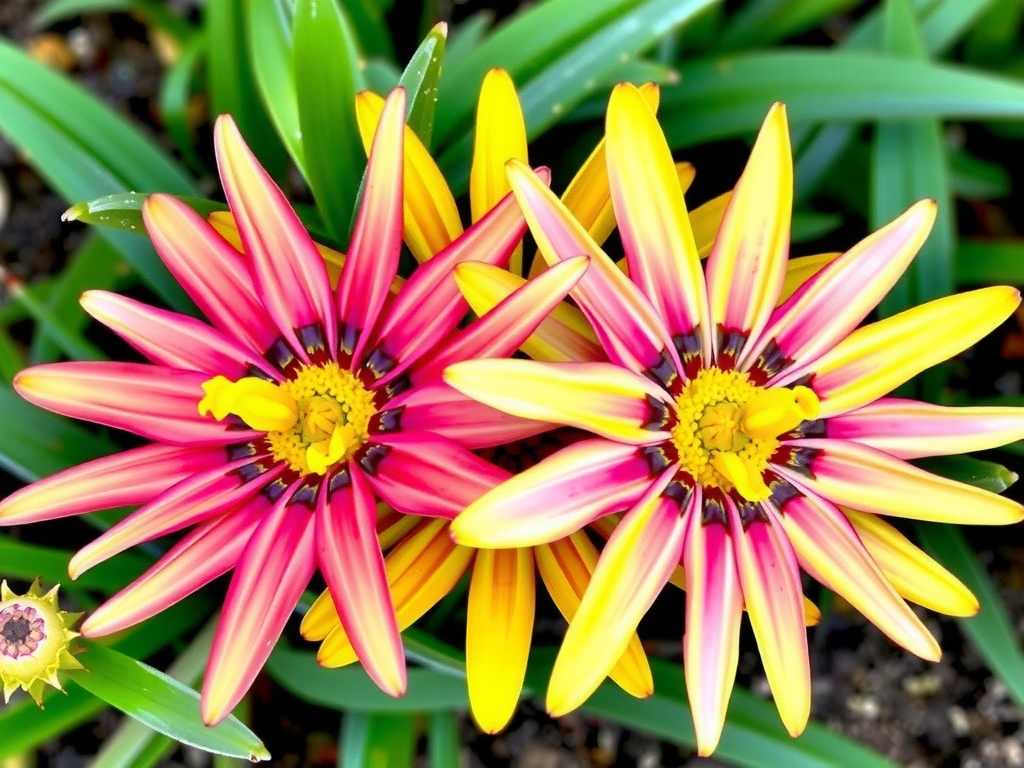
Striped gazanias are perhaps the most instantly recognizable due to their dramatic, contrasting markings. The term "striped" here is used broadly to describe flowers with distinct, linear patterns that differ from the base petal color.
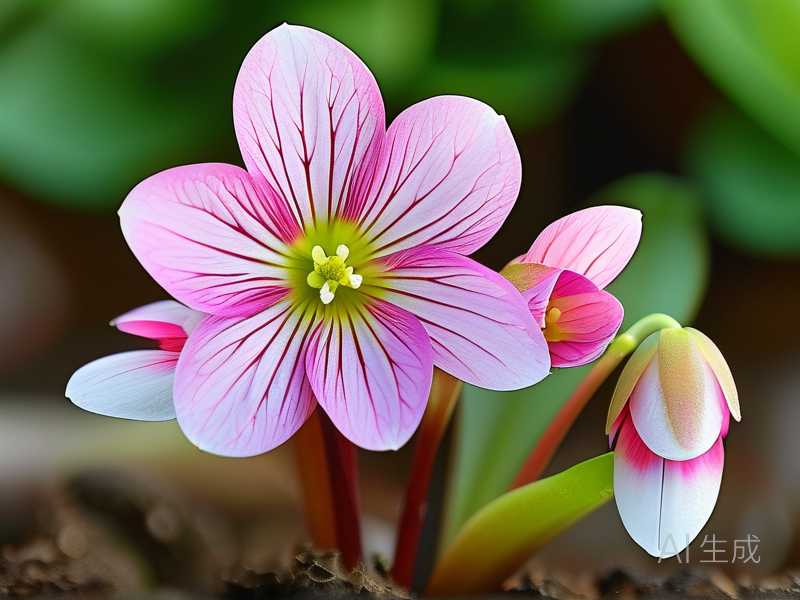
Look for Distinct Banding or Streaking The primary characteristic is the presence of bands, streaks, or stripes that radiate from the center of the flower towards the tips of the petals. These stripes are often a darker, contrasting color. For example, you might see a golden-yellow petal with a bold burgundy stripe running down its center, or a white petal with a striking pink streak. The stripes are usually symmetrical and consistent across most petals on a single flower head.
Observe the Color Contrast and Pattern Consistency The contrast between the base color and the stripe color is typically high. Common stripe colors include deep burgundy, chocolate brown, black-maroon, or deep pink set against lighter backgrounds like cream, yellow, or light orange. The patterns can vary between cultivars: some have a single, thick central stripe, while others may display multiple thinner lines or even a "ring" of color closer to the flower's dark center.
Examine the Flower Center (The Eye) Pay close attention to the central disc. In many striped varieties, the dark center often complements or matches the color of the stripes, creating a cohesive visual effect. The transition from the striped petals to the central disc can appear seamless.
Popular Striped Cultivar Examples:
- 'Tiger Stripes' Mix: Known for bold, contrasting stripes in colors like red, pink, and gold on white or yellow bases.
- 'Sunburst' Series: Often features flowers with a distinct dark stripe on each petal.
- 'Colorado Gold': Showcases bright golden petals with a dramatic dark red stripe.
Key Identification Features for Solid-Color Gazania Varieties
Solid-color gazanias offer a more uniform, but no less stunning, visual impact. Their identification revolves around the absence of the linear striping found in their counterparts.
Look for Uniform Petal Coloration The most definitive trait is the consistent, unbroken color across the entire surface of each petal. From the base near the center to the very tip, the hue remains solid. There are no interrupting bands, streaks, or rings of a secondary color.
Notice the Potential for a Central Ring or Zone While the petal itself is solid, many solid-color varieties feature a different colored "ring" or small zone immediately surrounding the dark central disc. This is not considered a stripe. For instance, a solid orange gazania might have a small, distinct ring of black or darker orange at the very base of the petals, which then flares out into the uniform orange color.

Appreciate the Intensity and Sheen Solid-color gazanias often exhibit incredibly vibrant, saturated hues. Thanks to modern breeding, you can find them in brilliant shades of magenta, pure white, luminous orange, fiery red, and even soft pastels like cream. Some varieties, like those in the 'Kiss' series, are noted for a slight velvety sheen on the petals.
Popular Solid-Color Cultivar Examples:
- 'Big Kiss' Series: Famous for large, single-color blooms in white, yellow, and bronze.
- 'Chansonette' Series: Offers a range of solid, bright colors often with a contrasting central disc.
- 'Sunbather's Sunset': A stunning example of a uniform, warm tangerine-orange bloom.
Side-by-Side Comparison and Practical Identification Tips
When you're in the garden center or viewing a planting, follow this simple three-step process:
- Step 1: Assess Pattern from a Distance. Glance at the flower. Do you immediately see linear, contrasting lines? If yes, you're likely looking at a striped variety. If the flower appears as a bold block of color, it's probably solid.
- Step 2: Inspect Individual Petals Up Close. Get closer and examine one petal. Trace your eye from the center to the tip. Is the color interrupted by a clearly defined line of a different color? That confirms a striped type. Is the color smooth and unbroken? That confirms a solid type.
- Step 3: Check the Plant Tag or Seed Packet. Reliable growers always label their plants. Look for key words. "Striped," "bi-color," "streaked," or specific cultivar names like 'Tiger' indicate patterns. Words like "solid," "pure," or single-color names often indicate uniform blooms.
Can striped and solid-color gazanias be planted together? Absolutely! Planting them together creates dynamic visual interest. The striped varieties add intricate detail and a "zebra" effect, while the solid-color varieties provide bold swaths of color that make the striped blooms pop even more. This combination is highly effective in containers, borders, and mass plantings.
Do they have different care requirements? No, both striped and solid-color gazania varieties share identical care needs. They both thrive in full sun (at least 6-8 hours daily), require well-draining soil, and are highly drought-tolerant once established. Overwatering or rich, soggy soil is detrimental to both types. Their similarity in habit and needs makes mixing them in the garden exceptionally easy.
Why do some gazania flowers look different in the morning versus the afternoon? This is a trait of the gazania genus as a whole, not specific to color patterns. Gazania flowers are phototropic, meaning they respond to light. They open fully under bright sun and often close partially or completely in the late afternoon, at night, or during overcast weather. This is a normal protective mechanism. When identifying, always observe flowers that are fully open in midday sun for the most accurate view of their color patterns.
Identifying whether you have a striped or solid-color gazania ultimately comes down to a careful observation of the petal's surface. Striped varieties captivate with their linear drama and high-contrast banding, while solid-color varieties impress with their pure, saturated hues. By using the simple steps of distance viewing, close petal inspection, and label verification, you can become proficient in telling them apart. This knowledge not only satisfies curiosity but also empowers you to design more intentional and beautiful garden displays, leveraging the unique beauty of each type to its fullest potential.