bluename
 How to Distinguish Big-Flower Gerbera Varieties and Small-Flower Gerbera Varieties?
Have you ever been captivated by the vibrant, daisy-like blooms of gerbera daisies at a florist or garden center, only to feel overwhelmed by the sheer variety? You’re not alone. Many gardening enthusiasts and flower lovers struggle to tell the difference between the show-stopping, dinner-plate-sized blooms and the charming, petite clusters. Knowing how to distinguish big-flower gerbera varieties from small-flower gerbera varieties is crucial for making the right choice for your garden design, floral arrangements, or indoor pots. This guide will clear up the confusion, providing you with a clear, expert-backed framework for identification.
Understanding the Gerbera Daisy Spectrum
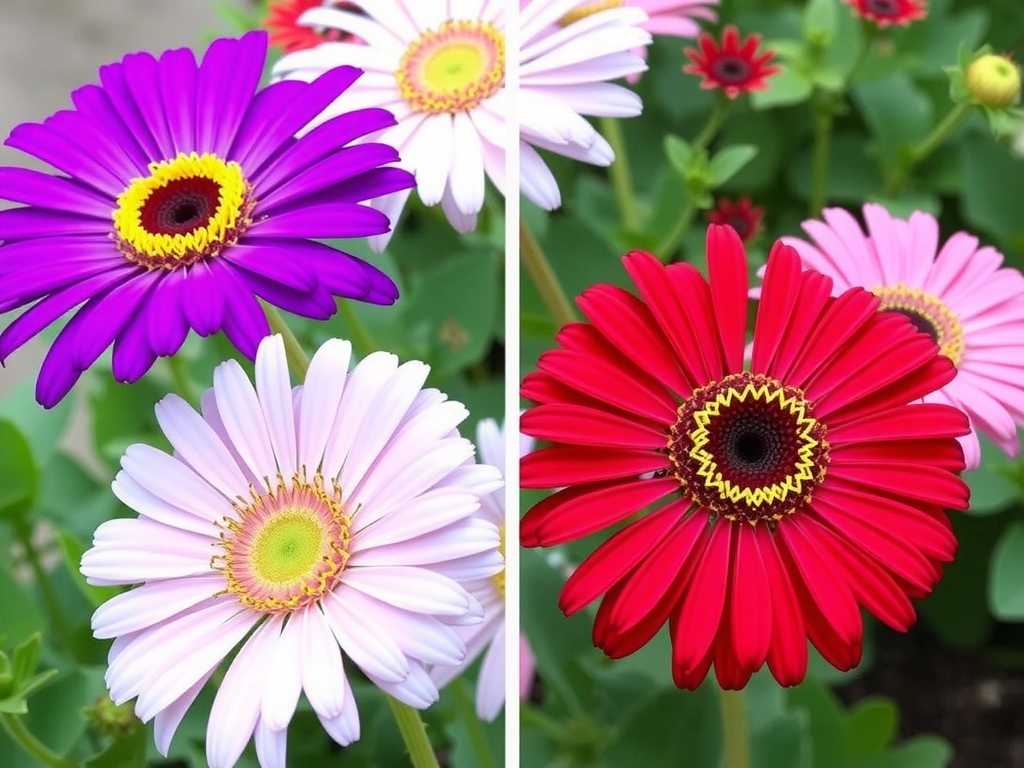
Gerbera jamesonii, commonly known as the gerbera daisy or Transvaal daisy, boasts an incredible range of cultivars developed over decades. The primary division in the horticultural world is based on flower size and growth habit. Big-flower gerberas, often called “standard” gerberas, are typically grown for their impressive, solitary blooms. Small-flower gerberas, frequently labeled as “germini” or “mini gerberas,” are bred for their prolific, smaller flowers and compact form. Distinguishing them goes beyond just measuring petals; it involves examining the entire plant’s architecture.
Key Identification Point: Flower Size and Structure
This is the most obvious starting point. As the names suggest, flower diameter is the primary differentiator.
A big-flower gerbera variety typically produces blooms that range from 4 to 5 inches (10 to 13 cm) in diameter, with some exceptional cultivars reaching even larger sizes. The flower head is a single, large composite structure with a prominent central disc surrounded by long, often overlapping ray florets (what we see as petals). The stem is thick and sturdy, specifically designed to support the weight of this substantial bloom.
In contrast, a small-flower gerbera variety will have blooms generally between 2 to 3 inches (5 to 8 cm) in diameter. The flowers are more proportionate to a smaller, denser plant. You’ll often notice that small-flower varieties frequently produce multiple blooms per plant at the same time, creating a delightful, clustered effect. The ray florets may be slightly more numerous in relation to the disc, giving a fuller appearance on a smaller scale.
Comparative Plant Habit and Foliage
Look beyond the flower. The plant’s overall shape and leaves provide critical clues.
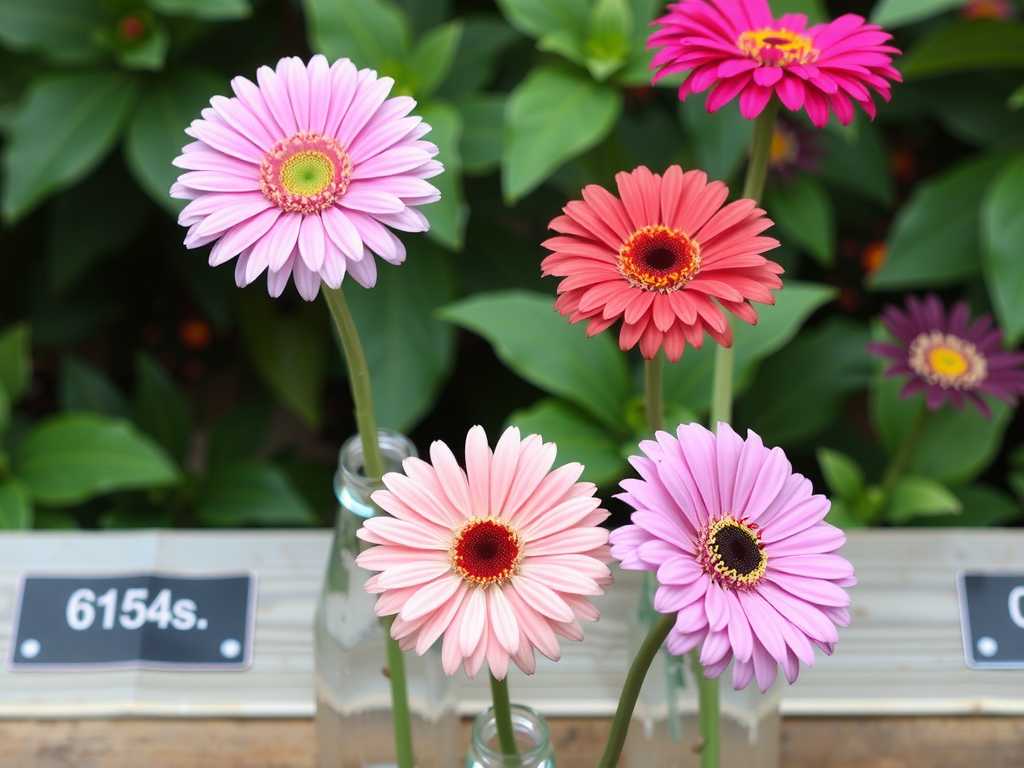
Big-flower gerbera plants tend to have a larger, more sprawling habit. The leaf rosette can spread 12 to 18 inches wide. The leaves are generally larger, broader, and sometimes have more pronounced lobing. The flower scape (stem) is tall, often 12 to 18 inches high, lifting the large bloom well above the foliage for maximum visual impact. This makes them classic candidates for cut flower production, as noted in floriculture industry reports.
Small-flower gerbera plants are notably more compact and tidy. The entire plant maintains a neater mound, usually staying under 12 inches in both height and spread. The leaves are smaller, more numerous, and often a deeper green, forming a dense carpet beneath the flowers. The flower stems are shorter and stouter, holding the smaller blooms just above the leaf canopy. This compact growth makes them ideal for container gardening, border edging, and small-space gardens.
Stem Characteristics and Growth Patterns
The stem tells a story of purpose and breeding.
The stem of a big-flower variety is engineered for strength. It is thick, hollow, and remarkably straight, providing a reliable support system. You’ll usually find only one primary bloom per stem. This singular focus on producing a massive, perfect flower is a result of selective breeding for the cut flower market, where stem length and strength are key commercial factors.
For small-flower varieties, stems are more flexible and often branch. It’s common to see a single stem bifurcate and produce two or even three flower heads. This branching habit is a key reason why these plants appear so floriferous. The stems, while strong enough for their smaller blooms, are not typically suited for long-stem cut flower use but are perfect for bouquets and boutonnieres.
Popular Cultivar Examples for Clarity
Let’s apply this knowledge to real-world examples. Recognizing named cultivars can solidify your understanding.
Classic examples of big-flower gerbera varieties include the ‘Mammoth’ series and the ‘Giant Spinner’ types. Cultivars like ‘Revolution Bicolor Red Lemon’ or ‘Jaguar’ series are bred for their enormous, vibrant heads and long vase life. These are the flowers you commonly see in premium floral arrangements.
On the other hand, prominent small-flower gerbera varieties are often found in the ‘Garvinea’ series, known for their hardy, perennial performance in gardens, or the ‘Gerrondo’ and ‘Gardin’ series bred specifically for pot culture. Varieties like ‘Garvinea Sweet Dreams’ or ‘Gerrondo Pink’ exemplify the multi-flowering, compact habit that defines this group.
Choosing the Right Type for Your Needs
Your purpose should guide your choice. This decision impacts garden design and floral outcomes.
If your goal is to create dramatic focal points in the garden, produce stunning cut flowers for vases, or make a bold statement in large containers, then big-flower gerbera varieties are your best bet. Their large, singular blooms command attention.
If you desire a continuous display of color in patio pots, window boxes, garden borders, or as a cheerful indoor flowering plant, then small-flower gerbera varieties are superior. Their prolific blooming nature, compact size, and wind-resistant stature provide long-lasting color with less maintenance. Horticultural experts often recommend germini types for beginner gardeners due to their resilience.
What is the most reliable feature to distinguish them at a glance? The most immediate and reliable feature is the flower diameter in relation to the plant. A single, large bloom (4+ inches) on a tall, thick stem rising from a sizable leafy base indicates a big-flower variety. A plant covered in several smaller blooms (2-3 inches) on shorter stems above a dense, compact mound of foliage is a classic small-flower type.
Can I grow both types in the same garden conditions? Yes, both types share similar core needs: full sun to partial shade, well-draining soil, and consistent moisture. However, big-flower varieties may require more careful staking or sheltered positions to protect their heavy blooms from wind and rain. Small-flower varieties, with their lower profile and stronger stems, are generally more tolerant of exposed conditions.
Are small-flower gerberas simply younger versions of big-flower types? No, this is a common misconception. They are genetically distinct cultivated varieties. A small-flower gerbera is bred to stay compact and produce many small blooms throughout its life. It will not mature into a large-flower plant. The size difference is a permanent trait of the specific cultivar.
Mastering the distinction between big and small-flower gerbera varieties empowers you to shop with confidence and design with intention. By observing the synergy of bloom size, plant architecture, and stem behavior, you can accurately identify any gerbera you encounter. Whether you seek the majestic presence of a single, large bloom or the joyful abundance of many small ones, understanding these differences ensures your garden or vase will be filled with exactly the right kind of cheer.