bluename
 How to Identify Big-Flower Cyclamen Varieties and Small-Flower Cyclamen Varieties?
Have you ever admired a stunning cyclamen plant but felt unsure whether you were looking at a large-flowered or small-flowered variety? You're not alone. For gardeners and plant enthusiasts, correctly identifying the type of cyclamen is the first crucial step toward providing the right care. This guide will demystify the key differences between big-flower cyclamen and small-flower cyclamen varieties, empowering you to make confident identifications and care decisions.
Understanding the fundamental distinction between these two groups is essential. While both belong to the Cyclamen genus, they often have different growth habits, origins, and horticultural uses. Misidentification can lead to improper watering, incorrect light exposure, and ultimately, an unhappy plant.
Key Characteristics for Identification
Let's break down the primary features you should examine. A combination of these traits will give you a definitive answer.
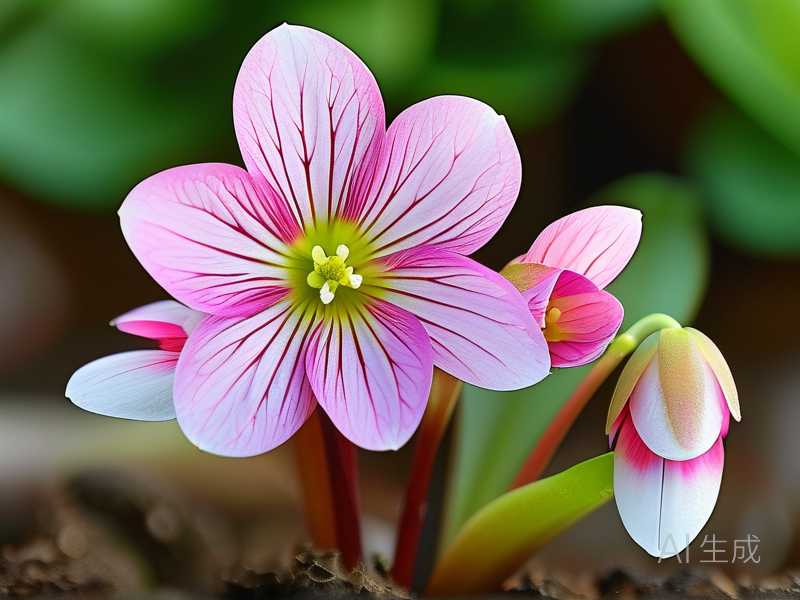
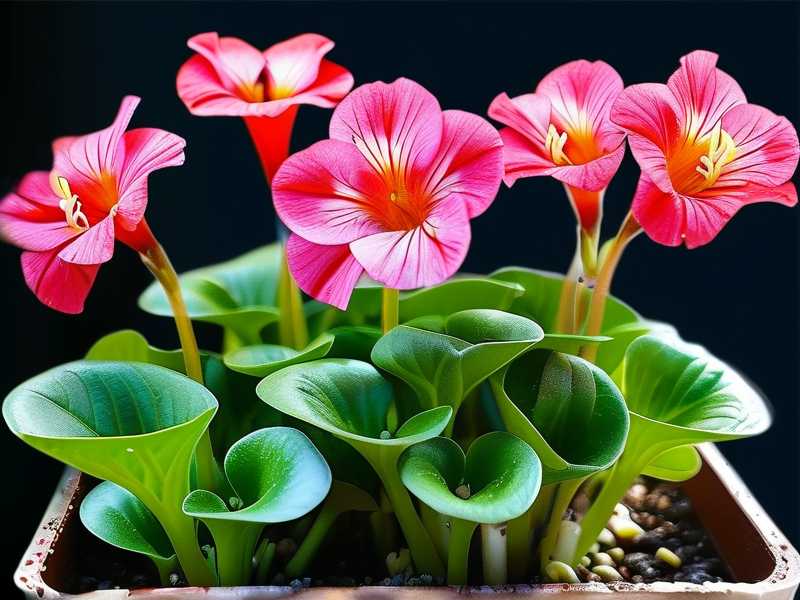
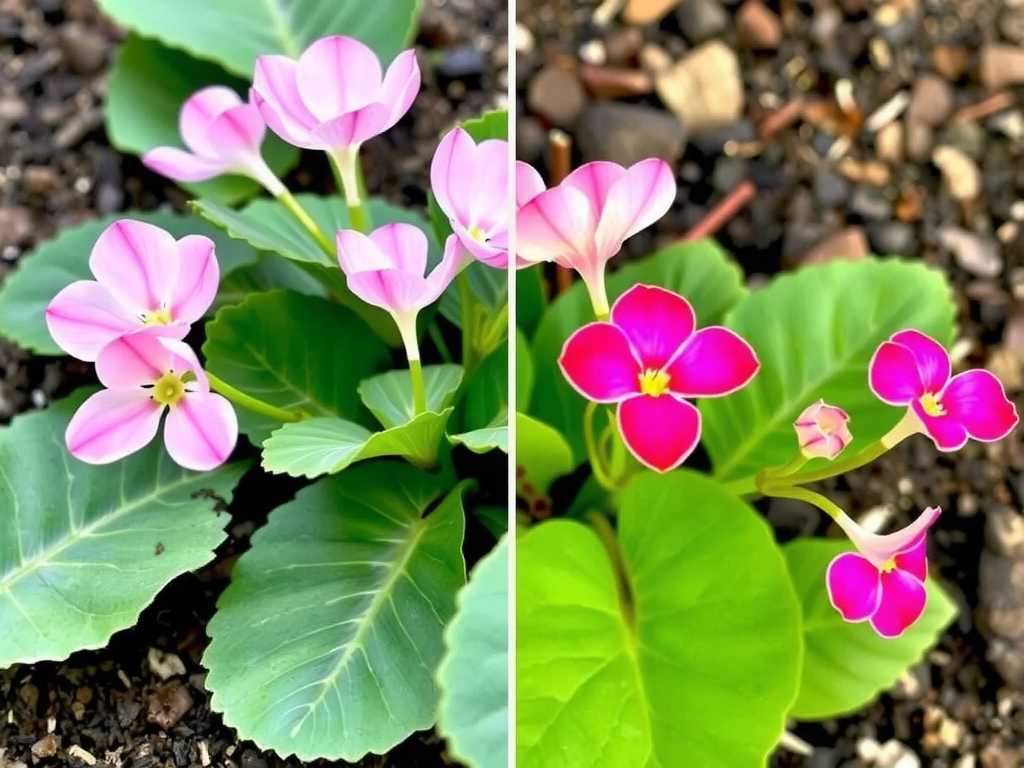
Flower Size and Structure This is the most obvious starting point, as the names suggest. Large-flowered cyclamen varieties, typically derived from Cyclamen persicum, boast blooms that can reach 2 to 3 inches (5-8 cm) in height and width. The petals are substantial, often reflexed elegantly backwards, and they rise well above the foliage on sturdy stems. Think of the dramatic, butterfly-like flowers commonly sold as florist's cyclamen. In contrast, small-flowered cyclamen varieties, such as Cyclamen hederifolium or Cyclamen coum, have delicate, petite flowers. These usually measure under 1 inch (2.5 cm) in height. Their petals are more slender and less reflexed, creating a charming, nodding appearance close to the soil or nestled within the leaves.
Foliage: Patterns and Shapes The leaves provide year-round clues, even when the plant is not in bloom. Big-flower cyclamen (Persicum types) often have large, heart-shaped leaves with a lush, almost succulent quality. The silver marbling patterns on the dark green leaves can be spectacularly intricate, but the leaf shape is generally consistent—broad and rounded. Small-flower, hardy cyclamen species exhibit incredible diversity in their foliage. Cyclamen hederifolium leaves are ivy-shaped (hence the name 'hederifolium'), with silver patterns that are unique to each plant. Cyclamen coum has nearly round, kidney-shaped leaves, often with a distinctive horseshoe-like silver mark. As noted by horticulturist and cyclamen expert Jane Howarth, "The foliage of hardy cyclamen species is a tapestry in itself, offering garden interest long after the fleeting flowers have faded."
Plant Habit and Size Consider the overall form and scale of the plant. Large-flowered varieties are generally larger in all aspects. They form a substantial tuber and a robust mound of foliage that can be 6 to 10 inches tall and wide. They are primarily grown as seasonal container plants. Small-flowered varieties are more modest and often form naturalized colonies in the garden. The tuber is flatter, and the entire plant is lower to the ground, rarely exceeding 4 inches in height. They are perennial, hardy, and ideal for rockeries or woodland gardens.
Bloom Time and Hardiness This practical difference affects where and how you grow them. The popular big-flower cyclamen is not frost-hardy. It blooms primarily from fall through spring indoors or in mild climates, and it's often treated as a temporary houseplant or annual. Most small-flower cyclamen are fully hardy perennials. Cyclamen hederifolium blooms in autumn, its flowers appearing before or with the leaves. Cyclamen coum is a welcome sight in late winter to early spring, often flowering through snow. Their life cycle is attuned to the seasons outdoors.
A Practical Identification Walkthrough
Follow these steps when you encounter an unknown cyclamen. First, observe the flower size and stem length. Are they showy and tall, or tiny and close to the base? Second, examine the leaf shape and pattern. Are they heart-shaped with marbling, or are they ivy-like or round with distinct silver marks? Third, consider the context. Is it in a pot indoors (likely large-flowered) or naturalized in a shady garden bed (likely small-flowered/hardy)? Finally, note the season. Autumn blooms on a hardy plant point to C. hederifolium, while winter blooms suggest C. coum.
Why Correct Identification Matters
Getting it right directly impacts your success. Large-flowered cyclamen prefer bright, indirect light indoors and careful watering (from the saucer to avoid tuber rot). They enjoy cool temperatures but cannot tolerate freezing. Hardy, small-flowered cyclamen thrive in well-drained, humus-rich soil in partial shade outdoors. Once established, they are remarkably drought-tolerant and require minimal care, spreading slowly over the years. Providing the wrong environment based on a misidentification is a common cause of plant failure.
Frequently Asked Questions
Can I plant my potted big-flower cyclamen outside in the garden? Generally, no. The common florist's cyclamen (C. persicum) is not frost-tolerant. It may survive in very mild, frost-free climates with perfect drainage, but it is best treated as an indoor or seasonal patio plant. The hardy species like C. hederifolium are the reliable choice for outdoor planting.
Do small-flower cyclamen varieties make good houseplants? They can be challenging as long-term houseplants because they require a distinct seasonal cycle of warmth and cool dormancy that is easier to replicate outdoors. They are best appreciated as garden plants where they can naturalize. For indoor enjoyment, the large-flowered varieties are specifically bred for that purpose.
How can I tell the difference between Cyclamen hederifolium and Cyclamen coum when they're not flowering? Look at the leaves. C. hederifolium has ivy-shaped leaves with angular lobes, appearing in autumn after or with the flowers. C. coum has almost perfectly round, kidney-shaped leaves that emerge in fall and persist through winter and spring. The leaf shape is the most reliable non-flowering identifier.
Distinguishing between big-flower and small-flower cyclamen varieties becomes straightforward once you know what to look for. Focus on the symphony of clues: the scale and posture of the blooms, the unique artwork on the leaves, the plant's overall size, and its preferred growing environment. Whether you're selecting a vibrant centerpiece for your table or a resilient gem for a shady corner of the garden, accurate identification ensures your cyclamen will thrive for seasons to come. Embrace the details, and you'll unlock the full beauty and resilience these wonderful plants have to offer.