bluename
 How to Distinguish Blue-Flower Hyacinth Varieties and Pink-Flower Hyacinth Varieties?
Choosing the perfect hyacinths for your garden can be a delightful yet sometimes confusing task, especially when faced with the stunning array of blue and pink varieties. Many gardeners find themselves wondering how to tell them apart beyond just color, seeking reliable methods to identify specific cultivars for landscape design, fragrance preferences, or bulb purchasing. This guide will provide you with the expert knowledge needed to confidently distinguish between blue-flowering and pink-flowering hyacinth varieties, covering visual cues, growth habits, and even scent profiles.
Understanding Hyacinth Classification
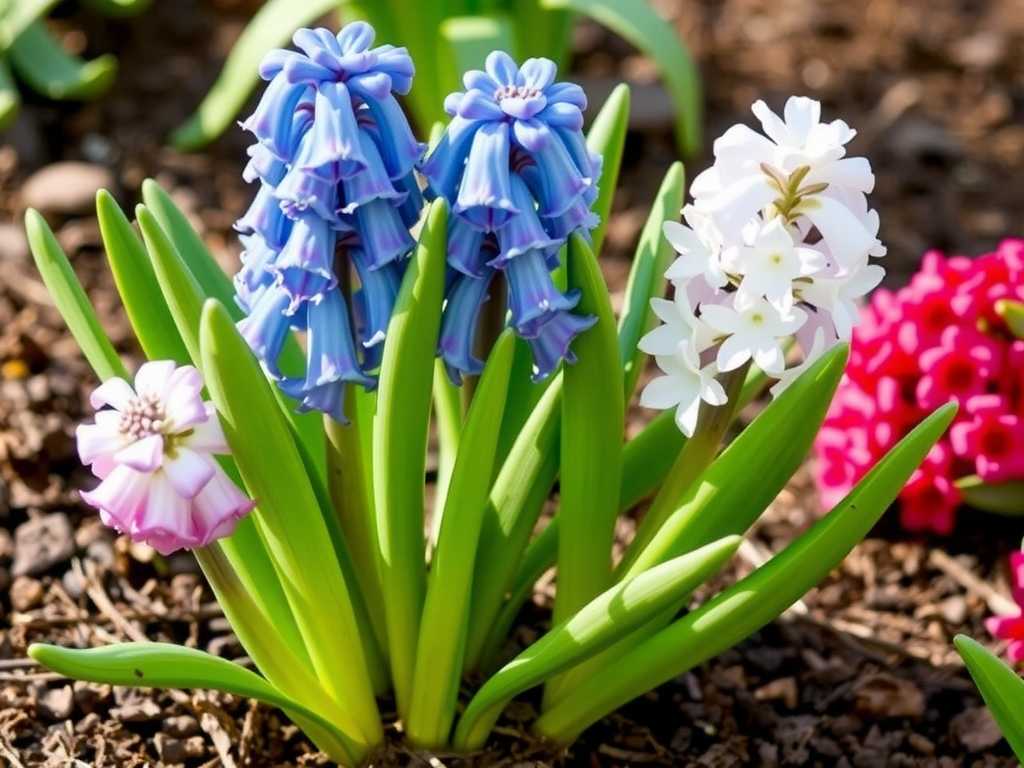
Before diving into color specifics, it's helpful to know that all garden hyacinths belong to the species Hyacinthus orientalis. The vast spectrum of blue and pink blooms we see today are the result of centuries of selective breeding. According to the Royal Horticultural Society, there are hundreds of named cultivars, primarily categorized by their flower color, bloom time, and stem structure. This makes distinguishing between groups a matter of observing a combination of key characteristics, not just a single trait.
Visual Identification: Beyond Basic Color
The most obvious difference is, of course, flower color. However, true distinction requires a more nuanced look.
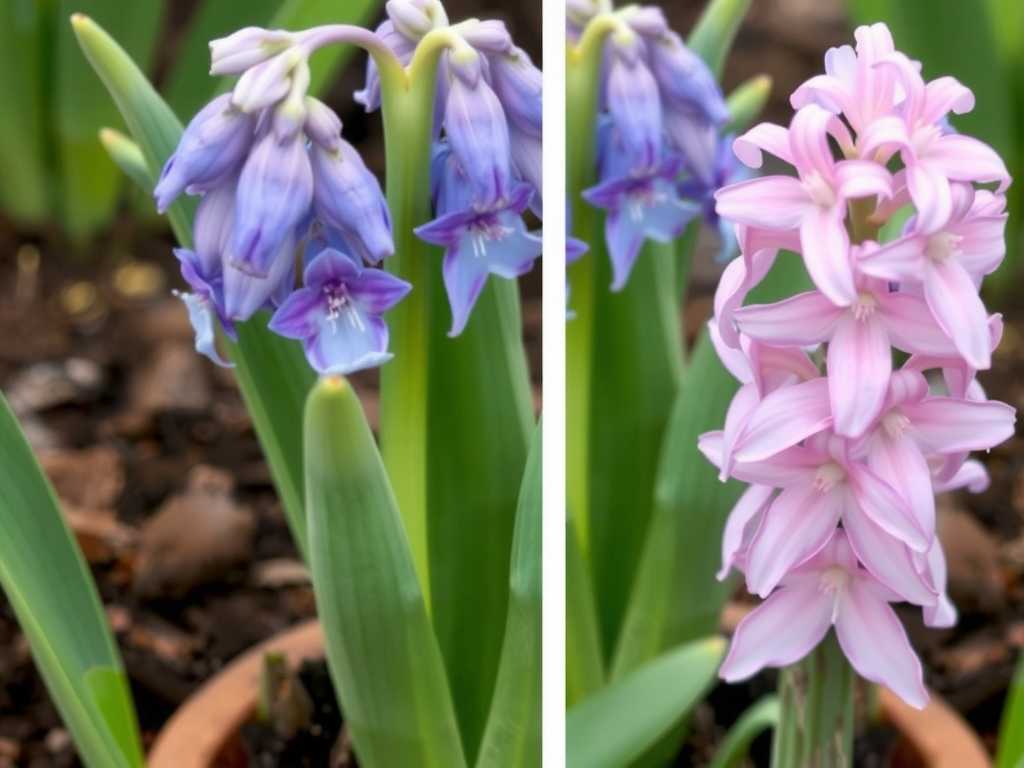
Blue Hyacinth Varieties typically range from pale ice blue and soft azure to deep cobalt and violet-blue. Key identifiers include:
- Color Spectrum: Look for names like 'Delft Blue' (a classic mid-blue), 'Blue Jacket' (deep blue with a violet stripe), or 'Aida' (violet-blue).
- Floret Structure: Blue varieties often have florets that are slightly more tubular or bell-shaped as they begin to open.
- Pollen Color: A little-known tip is to check the anthers. Many blue hyacinths have pollen that appears a pale cream or light yellow.
Pink Hyacinth Varieties encompass shades from the faintest shell pink to vibrant hot pink. Key identifiers include:
- Color Spectrum: Classic examples are 'Pink Pearl' (soft pink), 'Fondant' (warm sugar pink), and 'Jan Bos' (a distinctive raspberry-red pink).
- Floret Structure: Pink cultivars can sometimes have florets that appear a bit more star-shaped when fully open.
- Pollen Color: Often, the pollen on pink hyacinths tends to be a darker, more pronounced yellow.
Comparing Growth Habits and Form
The differences can extend to the plant's overall structure and performance in the garden.
Blue hyacinths are often noted for their robust and sturdy flower spikes. Varieties like 'Blue Giant' are named for their tall, dense spires. They tend to be very reliable perennializers, meaning they come back strongly for several years if planted in well-drained soil. Some growers observe that certain deep blue varieties bloom slightly earlier in the spring season.
Pink hyacinths can show more variation in stem strength. Some, like 'Jan Bos', are incredibly sturdy, while others may have slightly more relaxed spikes under the weight of their blooms. Their perennializing ability is equal to blues, but some gardeners note that the very pale pink varieties can benefit from light afternoon shade to prevent their delicate color from washing out.
The Fragrance Factor: A Scented Clue
Hyacinths are famous for their potent fragrance, which can also be a distinguishing tool.
Blue hyacinths generally possess a classic, intense "hyacinth" scent. It's often described as sweet, heady, and deeply floral with green undertones. The fragrance of 'Delft Blue' is considered the benchmark for this iconic scent profile.
Pink hyacinths, while still very fragrant, can sometimes offer a subtly different aroma. Some varieties, particularly the softer pinks like 'Pink Pearl', may have a slightly lighter, sweeter, and almost fruity nuance to their perfume compared to their blue counterparts. The scent is no less delightful but can be a perceptible point of difference for keen gardeners.
Leaf and Bulb Characteristics
For identification before blooming, such as when buying loose bulbs, examine the physical traits.
While not a foolproof method alone, blue hyacinth bulbs can sometimes have a slightly darker, purplish-tinted tunic (the papery outer layer). Their leaves in early growth may exhibit a hint of grey-green.
Pink hyacinth bulbs often have a lighter, tan or pale brown tunic. The emerging leaves frequently show a brighter, pure green color without the greyish undertone.
Popular Cultivars Side-by-Side
Let's put this knowledge into practice with specific named varieties.
For Blue Blooms:
- 'Delft Blue': The standard mid-blue, excellent fragrance, perfect for naturalizing.
- 'Blue Jacket': Very deep blue with a pronounced purple stripe, very early bloomer.
- 'Peter Stuyvesant': An almost violet-blue, very compact and strong spike.
For Pink Blooms:
- 'Pink Pearl': Large spikes of soft pink, one of the most popular and fragrant pinks.
- 'Jan Bos': Intense raspberry-pink, exceptionally sturdy and long-lasting.
- 'Fondant': A uniform warm pink with an exceptionally dense flower spike.
Planting and Design Tips for Each Color
Use blue hyacinths to create cool, calming vistas. They pair beautifully with white daffodils, yellow tulips, and early white pansies. Plant them in drifts for a "river of blue" effect. Their classic look suits formal gardens perfectly.
Pink hyacinths inject warmth and vibrancy. Combine them with purple grape hyacinths (Muscari), creamy white tulips, or blue forget-me-nots. They are ideal for cottage gardens, borders, and containers where their cheerful color can be highlighted.
Can I tell if a hyacinth is blue or pink by the bulb alone? While not 100% accurate, you can make an educated guess. Blue varieties often have bulbs with a darker, purplish papery coating (tunic), while pink varieties tend to have bulbs with a lighter, tan-colored tunic. For guaranteed color, always purchase bulbs from a reputable supplier with labeled cultivars.
Do blue and pink hyacinths have different sunlight needs? Both colors share the same basic needs: full sun to partial shade and well-drained soil. However, the very pale pink varieties can benefit from light afternoon shade in hot climates, as intense sun may cause their delicate color to fade slightly faster than the deeper blues.
Which color is more fragrant, blue or pink hyacinths? All hyacinths are fragrant, and intensity varies more by cultivar than by color group. Generally, the classic blue 'Delft Blue' is famed for its powerful scent. Among pinks, 'Pink Pearl' is exceptionally fragrant. The difference is often in the scent's character—blues may smell more deeply floral, while some pinks have a sweeter, fruitier note.
Distinguishing between blue and pink hyacinth varieties becomes simple once you know to look at the entire plant—from the bulb's tunic and the leaf's hue to the precise shade of the bloom and even the color of the pollen. By combining these visual, structural, and aromatic clues, you can confidently select the perfect 'Delft Blue' for a classic spring display or a vibrant 'Jan Bos' to add a punch of pink to your garden. Whether for fragrance, color coordination, or perennial performance, understanding these subtle differences ensures your spring garden meets your exact vision.