bluename
 How to Recognize Ornamental Peony Varieties and Oil-Producing Peony Varieties?
Have you ever stood in a garden, captivated by a stunning peony bloom, and wondered if it's purely ornamental or if it could also produce valuable oil? Or perhaps you're a gardener or farmer looking to diversify, but the world of peonies seems confusing with its myriad of types. You're not alone. Distinguishing between ornamental peonies and oil-producing peonies is a common challenge, yet it's crucial for making the right choice, whether your goal is aesthetic beauty or agricultural yield. This guide will demystify the key differences, helping you confidently identify each type.
Understanding the Peony Family Tree
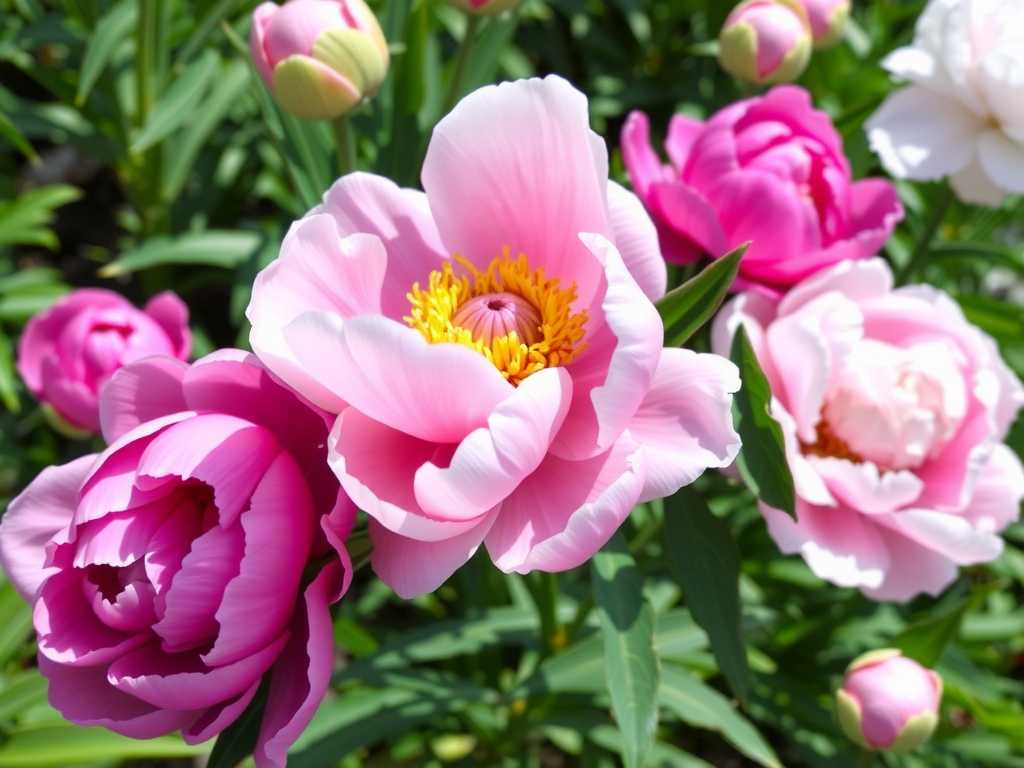
First, it's essential to know that not all peonies are created equal. The genus Paeonia is broadly divided into herbaceous and tree peonies. While most common garden peonies are herbaceous, dying back to the ground in winter, the story of oil production centers on a specific subsection of tree peonies.
Ornamental peonies, bred for centuries for their breathtaking flowers, encompass both herbaceous types and many tree peony cultivars. Oil-producing peonies, however, are almost exclusively derived from specific species of tree peonies, primarily Paeonia ostii and Paeonia rockii, and their hybrids. The confusion often arises because some ornamental tree peonies may be related to these oil types, but have been selectively bred for very different traits.
Key Differences: A Side-by-Side Comparison
Let's break down the primary characteristics that set these two categories apart. By examining their plant structure, flowers, seeds, and primary purpose, you can learn how to recognize ornamental peony varieties and oil-producing peony varieties with ease.
Plant Habit and Growth Ornamental herbaceous peonies form dense, shrub-like clumps that grow 2-3 feet tall. Their stems are soft and die back completely in autumn. Ornamental tree peonies are woody shrubs that maintain a framework of branches year-round, typically growing 4-7 feet tall.
Oil-producing peony plants are almost always tree peonies. They exhibit a robust, upright, and woody shrub form. Dr. Li Jia, a renowned peony researcher at the Beijing Forestry University, notes, "High-yield oil peony cultivars are selected for vigorous growth, strong disease resistance, and a architecture that supports heavy seed pod loads, often differing from the more sculptural forms prized in ornamental varieties."
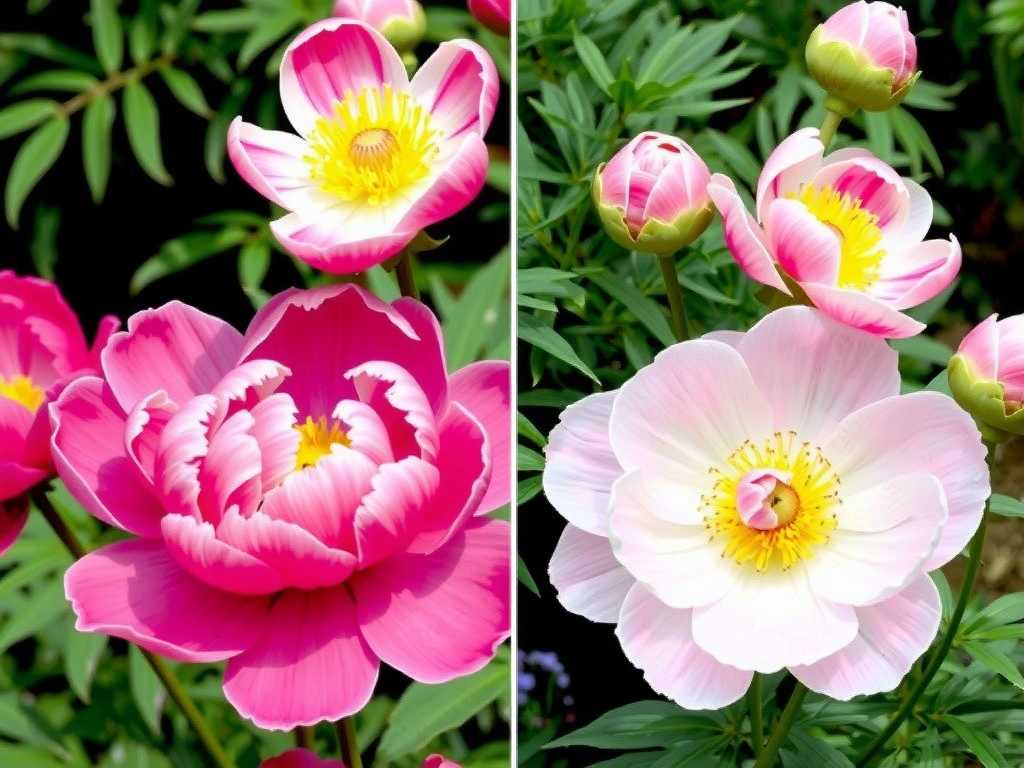
Flower Form and Appearance This is where the visual distinction becomes most apparent. Ornamental peonies are the stars of the floral show. Breeders have developed an incredible array of forms: single, Japanese, anemone, semi-double, double, and bomb-type blooms. Colors span from pure white and soft pink to deep red, coral, and even yellow. The flowers are often enormous, fragrant, and the central focus of the plant.
In contrast, flowers of oil-producing peony varieties are typically simpler. They are often single or semi-double, with a focus on fertility rather than petal count. Their colors are usually white or light pink with a distinctive dark purple or maroon blotch at the base of each petal, a hallmark of the Paeonia rockii lineage. While beautiful, their bloom is less opulent and more functional, designed for efficient pollination and seed set.
The Seed Pods and Seeds For ornamental peonies, seed pods are often an afterthought. Many double-flowered varieties are sterile or produce few seeds. Gardeners usually deadhead (remove spent blooms) to direct energy back to the roots for next year's flowers. If pods do form, they are often small and contain few seeds.
The seed pod is the raison d'être for the oil-producing peony. After flowering, these plants develop large, prolific, and leathery seed pods that look like star-shaped follicles. Each pod is packed with numerous large, round, glossy black or dark brown seeds—these are the source of peony seed oil. A mature, healthy oil peony plant can produce thousands of seeds per season.
Primary Purpose and Cultivation Ornamental peonies are cultivated for landscape beauty, cut flowers, and horticultural display. They are graded and sold based on bloom quality, plant health, and variety rarity. Their value is aesthetic.
Oil-producing peonies are an agricultural crop. They are grown in fields, much like olives or sunflowers, for their seeds. The seeds are cold-pressed to extract a luxurious, edible oil rich in omega-3 fatty acids (alpha-linolenic acid), prized in the cosmetic and health food industries. According to industry reports, the global market for peony seed oil is growing due to its unique nutritional profile and skin benefits. Cultivation focuses on maximizing seed yield and oil quality over floral display.
A Practical Identification Walkthrough
When you encounter a peony plant, follow these steps:
- Observe the Stems: Are they woody and persistent (tree peony) or soft and herbaceous (herbaceous peony)? If herbaceous, it's almost certainly ornamental.
- Examine the Flower: Is it incredibly double, multi-colored, and complex? It's likely ornamental. Is it simple, single/semi-double, often white with a dark basal blotch? It could be an oil type or its close relative.
- Look for Seed Pods (Late Summer/Fall): Are there abundant, large, seed-filled pods? This strongly indicates an oil-producing variety. Are flowers deadheaded or pods sparse? This points to ornamental cultivation.
- Consider the Setting: Is the plant in a decorative garden, border, or as a specimen? It's probably ornamental. Is it planted in rows in a field or large-scale plot? It's likely an oil crop.
Can ornamental peonies produce oil? Technically, yes, any peony seed contains oil. However, the yield, oil quality, and economic viability are vastly different. Ornamental varieties are not bred for seed production; they may produce few, small seeds with lower oil content. The specialized oil-producing cultivars have been selected over generations for high seed yield (sometimes 15-20% oil by weight) and specific fatty acid compositions, making them the only commercially practical choice for oil extraction.
How long does it take for an oil peony to produce a harvest? Patience is key. Unlike annual crops, oil peonies are a long-term investment. They typically require 3 to 5 years after planting to establish before producing a significant seed harvest. Once mature, they can remain productive for 30 to 50 years or more, offering a sustainable, perennial crop.
Can I grow oil-producing peonies in my home garden for both flowers and seeds? Absolutely. Many oil peony varieties, like those derived from Paeonia ostii, are quite attractive and can serve a dual purpose. They offer lovely spring flowers and interesting seed pods. Be aware that to get a meaningful oil yield for personal use, you would need a substantial number of plants. For a home gardener, they can be a beautiful and educational perennial addition.
Recognizing the difference between these peonies empowers you to choose the right plant for your goals. If you seek unparalleled floral drama for your garden, the countless ornamental varieties await. If you are interested in sustainable agriculture, unique edible oils, or a long-term perennial crop, then exploring the world of oil-producing peonies is a fascinating journey. By paying attention to the plant's structure, floral simplicity, and prolific seed pods, you can now identify these two remarkable branches of the peony family. Whether for beauty or utility, the peony continues to be a plant of incredible value and versatility.