bluename
 How to Distinguish Cymbidium Grandiflorum Varieties and Cymbidium Sinense Varieties?
For orchid enthusiasts, telling apart the stunning varieties within the Cymbidium genus can be a delightful yet challenging puzzle. Two groups that often cause confusion are the large-flowered hybrids, commonly known as Cymbidium grandiflorum varieties, and the traditional Chinese orchids, referred to as Cymbidium sinense varieties. Mistaking one for the other can lead to incorrect care, resulting in a plant that fails to thrive or bloom. This guide will equip you with the knowledge to confidently identify these beautiful orchids, ensuring you can appreciate their unique qualities and provide the specific care they deserve.
Understanding the fundamental differences starts with a bit of botanical background. The term "Cymbidium grandiflorum" is often used in horticulture to describe modern, large-flowered hybrid cymbidiums, typically bred for their spectacular blooms. "Cymbidium sinense," on the other hand, specifically refers to a species and its varieties, highly revered in East Asian culture for its elegant foliage and fragrant winter flowers.
Key Differences in Growth Habit and Foliage
The first and most reliable clues often lie in the plant's overall structure and leaves, observable year-round.
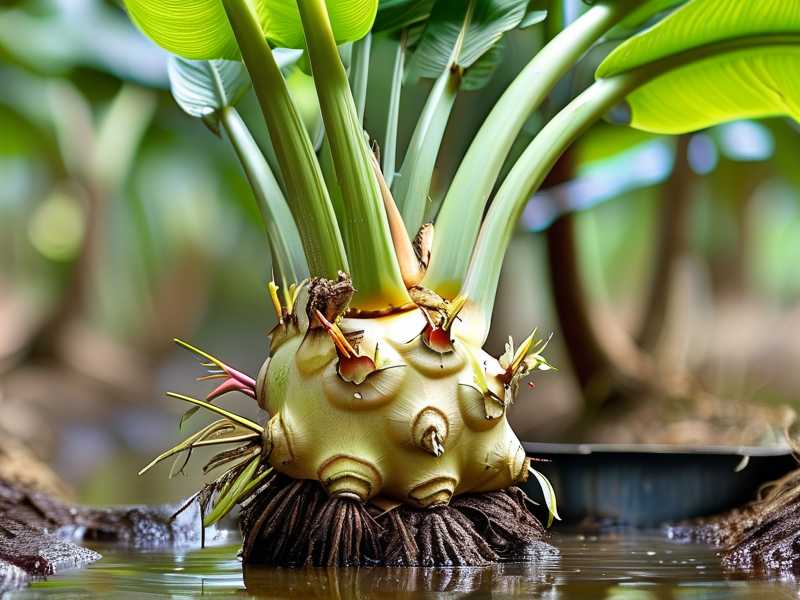
Plant Size and Pseudobulbs Modern Cymbidium grandiflorum hybrids are generally robust plants. They produce large, prominent pseudobulbs (the swollen stem bases that store water and nutrients) that are often oval or roundish. These substantial pseudobulbs support tall, arching flower spikes.
In contrast, Cymbidium sinense varieties tend to have more modest, slender, and less pronounced pseudobulbs. The overall plant size is usually more compact compared to their large-flowered cousins.
Leaf Characteristics Leaf examination provides unmistakable evidence. Grandiflorum hybrid leaves are typically long, broad, strap-like, and have a sturdy, leathery texture. They are often a uniform, deep green and can be quite lengthy, sometimes exceeding two feet.
Cymbidium sinense is famous for its foliage. The leaves are generally narrower, more graceful, and arching. A key identifier is the leaf margin; many prized sinense varieties have finely serrated or toothed leaf edges, which you can feel by gently running your finger along the edge. The leaf color can also vary, including cultivars with beautiful gold or white variegation (艺兰, artistic orchards).
Decoding the Blooms: Flower Structure and Timing
When in bloom, the distinctions become spectacularly clear. As noted by renowned orchidologist Dr. Mark Chase, "Flower morphology in Cymbidiums is not just about beauty; it's a direct map to their evolutionary history and cultural breeding paths."
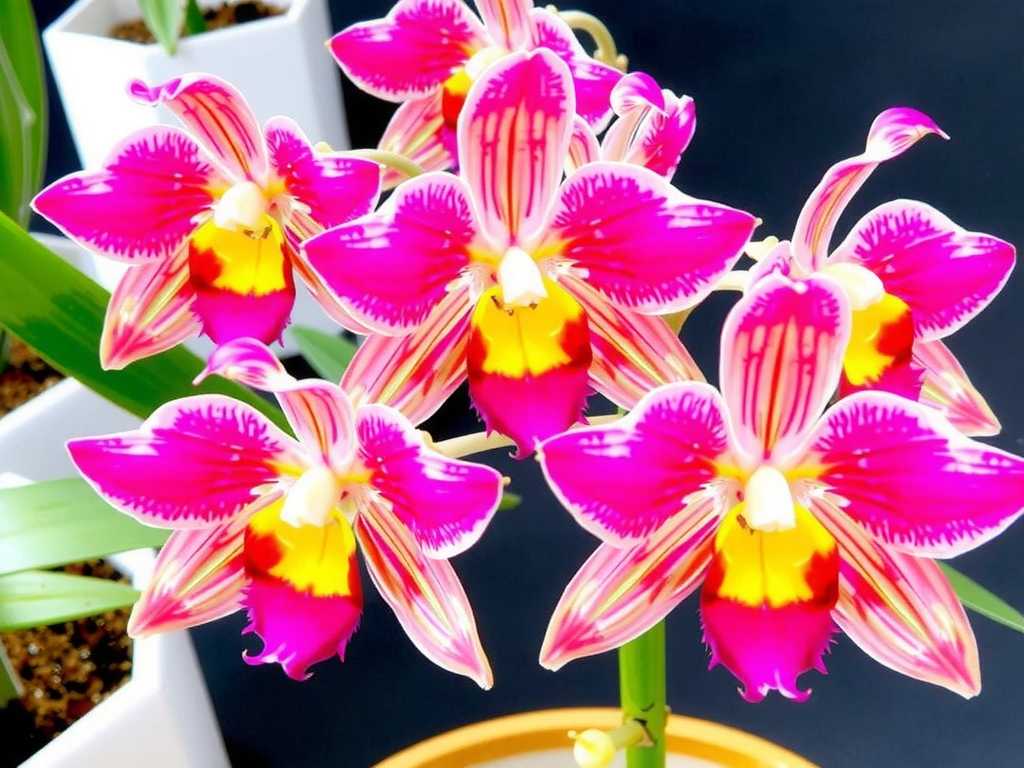
Flower Size and Spike Architecture This is the most obvious difference. Cymbidium grandiflorum varieties live up to their name with large, showy flowers often 3 to 5 inches across. The flower spikes are tall, strong, and emerge from the base of the pseudobulbs, typically bearing many flowers arranged along the upper portion of the spike.
Cymbidium sinense flowers are more delicate and smaller, usually 1 to 2 inches across. Their flower spikes emerge from the leaf axils and are often shorter. The flowers cluster more closely together, creating a dense, elegant inflorescence.
Color, Fragrance, and Blooming Season Color ranges offer another clue. Grandiflorum hybrids boast a vast commercial color palette: vibrant yellows, pinks, greens, reds, and whites, often with striking patterns on the lip. They are primarily bred for visual impact and usually have little to no fragrance.
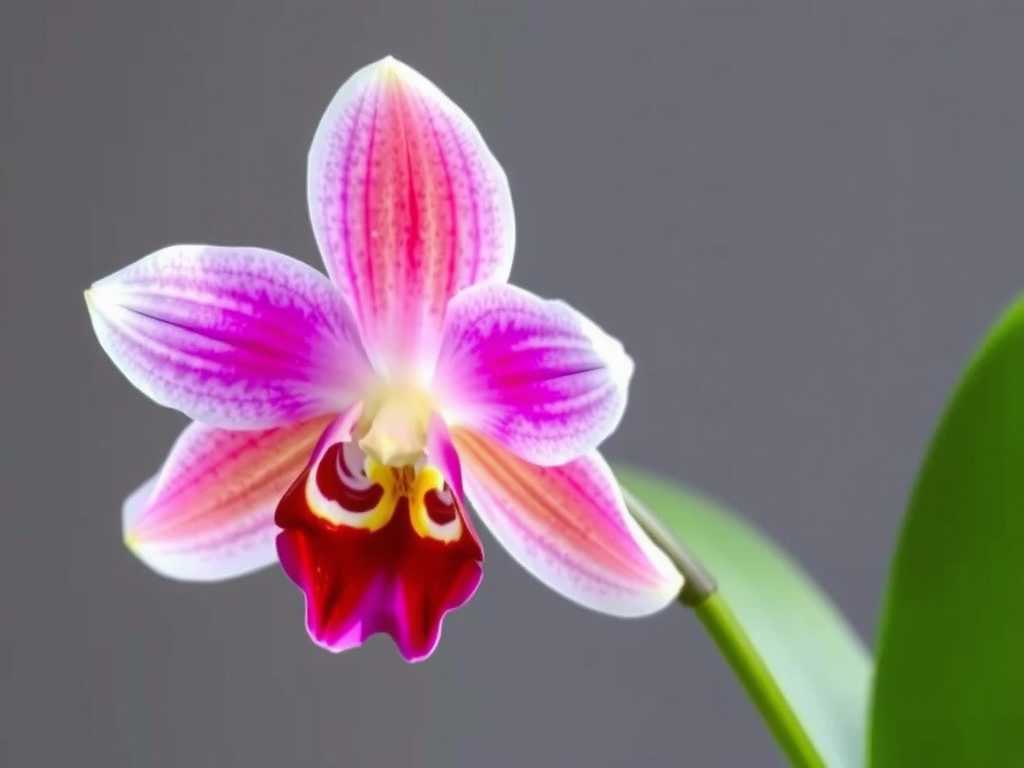
Cymbidium sinense varieties have a more classic color scheme, most commonly in deep maroons, burgundies, greens, and creamy yellows. Their most celebrated feature is a rich, sweet fragrance, especially noticeable in the evening. Crucially, their blooming season is late winter, often around the Lunar New Year, symbolizing prosperity and virtue in Chinese culture. Grandiflorum hybrids typically bloom from late fall to early spring.
Lip and Column Details
For the discerning eye, the flower's center holds definitive markers. The lip (labellum) and column (the fused reproductive structure) are critical for botanical identification.
In large-flowered hybrids, the lip is often broad, vividly patterned with contrasting spots or streaks, and serves as a prominent landing platform for pollinators.
The lip of a Cymbidium sinense flower is generally smaller, less flamboyant, and often has a more refined, velvety texture. The column is a key differentiator; in C. sinense, it is typically shorter and stouter compared to the longer, more arched column found in many grandiflorum types.
Practical Identification Checklist
Use this quick-reference guide in the greenhouse or garden center:
- Look at the leaves: Broad and sturdy, or narrow and arching with possible serrated edges?
- Check the pseudobulbs: Large and oval, or small and slender?
- Observe the flowers (if present): Large and colorful on a tall spike, or smaller, fragrant, and clustered on a shorter spike?
- Note the season: Is it blooming around the Lunar New Year with a sweet scent?
What is the most foolproof way to identify them when not in bloom? The most reliable method when flowers are absent is to examine the leaves and pseudobulbs. Check the leaf edge for a fine serration, a hallmark of many Cymbidium sinense varieties. Then, assess the pseudobulbs; large, roundish bulbs point to a grandiflorum hybrid, while more slender, subtle bulbs suggest sinense.
Can Cymbidium sinense and grandiflorum hybrids be crossed? Yes, breeders do cross different Cymbidium species and hybrids. However, the resulting plants are typically classified as hybrid cymbidiums and may exhibit a blend of traits. A pure Cymbidium sinense will come from a line of the same species or its selected cultivars.
Which type is easier for a beginner to grow and bloom? For most home growers, modern Cymbidium grandiflorum hybrids are often more forgiving. They are bred to be adaptable to a wider range of conditions and are more likely to re-bloom with standard seasonal temperature drops. Cymbidium sinense can be more specific in its requirements, particularly needing a distinct cool, dry period to initiate flower spikes, making it a rewarding challenge for more experienced enthusiasts.
Distinguishing between these two magnificent groups of cymbidiums enriches the growing experience. By paying attention to the enduring clues in their foliage and structure, and the spectacular details of their blooms, you move beyond simply owning an orchid to truly understanding its lineage and needs. Whether drawn to the bold drama of the grandiflorum or the subtle, fragrant elegance of the sinense, accurate identification is the first step toward a successful and fulfilling cultivation journey.