bluename
 How to Care for Hybrid Tea Roses? Quick Getting Started Tips
You've just brought home a stunning hybrid tea rose, captivated by its elegant, high-centered bloom. But now, a wave of anxiety hits. Why are the leaves turning yellow? How do you get those picture-perfect flowers? You're not alone. Many gardeners find these classic beauties intimidating, fearing they are too delicate or demanding. The truth is, with the right foundational knowledge, caring for hybrid tea roses can be a deeply rewarding experience. This guide cuts through the confusion, providing clear, actionable steps to help your rose not just survive, but thrive and become the star of your garden.
Understanding Your Hybrid Tea Rose
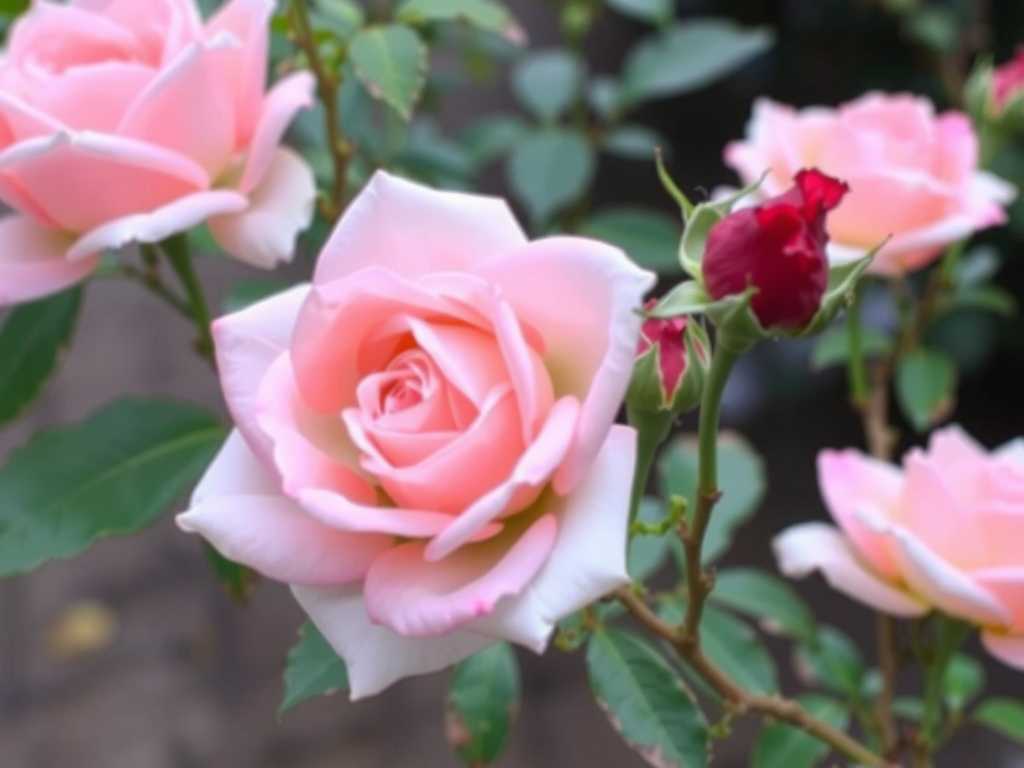
First, know what you're working with. Hybrid tea roses are the quintessential cut flower, known for their long, sturdy stems and large, solitary blossoms. They are a product of extensive breeding, which gives them their remarkable form but also means they benefit from specific care. Unlike some hardy shrub roses, they require consistent attention to perform their best. Think of them as the star athletes of the rose world—they have incredible potential but need proper training and support.
Planting for Success: Location is Everything
The single most important decision you make happens at planting. Get this right, and you prevent countless problems down the line.
Sunlight is Non-Negotiable Hybrid teas demand a minimum of six to eight hours of direct sunlight daily. Morning sun is particularly valuable, as it dries dew from the leaves, helping to prevent fungal diseases like black spot and powdery mildew. A south or east-facing location is ideal.
Soil Must Drain Well Roses despise "wet feet." Soggy soil quickly leads to root rot. If your soil is heavy clay, you must amend it. Dig a hole wider and deeper than the pot. Mix the native soil with generous amounts of compost, well-rotted manure, or a high-quality planting mix. This improves drainage, aeration, and provides essential nutrients. As renowned rosarian Stephen Scanniello notes, "Building the soil is the first and most critical step in rose care. A happy root system means a healthy plant."
Give Them Room to Breathe Air circulation is crucial for preventing disease. Space your hybrid tea roses at least 3 feet apart. This allows air to move freely through the foliage, reducing the humid conditions that fungi love.
The Essential Care Routine: Water, Feed, Mulch
Once planted, a consistent routine is the key to vibrant growth and prolific blooming.
Water Deeply and Thoughtfully The goal is deep, infrequent watering that encourages strong roots. Provide about 1-2 inches of water per week, either through rainfall or irrigation. A soaker hose or drip irrigation system is perfect, as it delivers water directly to the soil without wetting the leaves. Always water in the morning.
Feed for Performance Hybrid teas are heavy feeders. Begin fertilizing in early spring as new growth appears. Use a balanced, slow-release fertilizer formulated for roses or a general-purpose fertilizer like 10-10-10. Follow the package instructions. A second feeding after the first major bloom cycle (often around late June) encourages a strong second flush. Stop feeding about 6-8 weeks before your first expected fall frost to prevent tender new growth from being damaged.
Mulch is Your Best Friend Apply a 2-3 inch layer of organic mulch (like wood chips, shredded bark, or compost) around the base of the plant. Keep it a few inches away from the main cane. Mulch conserves moisture, suppresses weeds, keeps roots cool in summer, and gradually enriches the soil as it decomposes.
Mastering the Art of Pruning
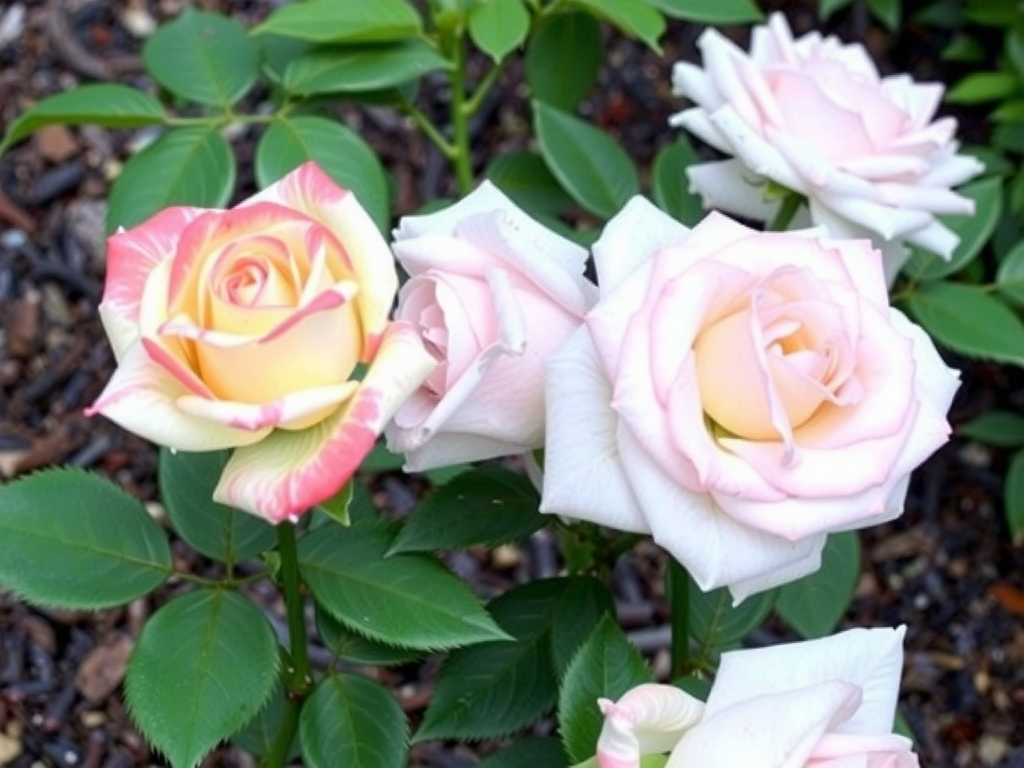
Pruning seems daunting but is vital for health and form. The main pruning happens in late winter or early spring, just as the buds begin to swell.
Start with the Three D's: Remove any Dead, Diseased, or Damaged wood first. Open the Center: Cut out any canes that are crossing or growing toward the center of the plant. This improves air circulation and shape. Shape and Reduce: Cut back the remaining healthy canes by about one-third to one-half. Make your cuts at a 45-degree angle, about 1/4 inch above an outward-facing bud. This directs new growth outward. Deadhead Religiously: Throughout the season, remove spent flowers. Cut back to the first set of five leaflets on the stem. This tells the plant to produce more blooms instead of putting energy into seed production (rose hips).
Disease and Pest Vigilance
Even with perfect care, issues can arise. Early intervention is simple; neglect is costly.
Prevent Fungal Foes Black spot and powdery mildew are the most common issues. Prevention is your best weapon. Choose disease-resistant varieties when possible, ensure good air circulation, and water at the soil level. If problems appear, a regular spray program with an organic fungicide like neem oil or a sulfur-based product can be very effective. The American Rose Society recommends a preventative spray schedule starting in early spring for gardeners in humid climates.
Watch for Pests Aphids love new rose growth. A strong blast of water from the hose often knocks them off. For Japanese beetles, hand-picking in the early morning is a direct method. Insecticidal soap is a safe option for many soft-bodied pests.
Preparing for Winter
In colder climates (USDA zones 6 and below), winter protection is necessary. After the first hard frost, mound 10-12 inches of soil, compost, or mulch over the base of the plant to protect the graft union. In the harshest zones, you may also need to use rose cones or burlap wraps.
My rose leaves have yellow spots that turn black and fall off. What is it? This is almost certainly black spot, a common fungal disease. Immediately remove and dispose of all affected leaves (do not compost). Improve air circulation around your plant, ensure you're watering at the soil level and not the leaves, and begin a fungicide treatment program. Consistent preventative care next season will be key.
I planted my rose correctly, but it's not blooming much. What's wrong? The most likely culprits are insufficient sunlight or improper feeding. Re-evaluate the sun exposure—it may need a full eight hours. Are you fertilizing regularly with a balanced fertilizer? Also, ensure you are deadheading spent blooms to encourage more flower production.
When and how should I prune a newly planted hybrid tea rose? For a new, bareroot or potted rose planted in spring, do only light pruning at planting. Remove any broken or very thin canes. Let the plant focus its energy on establishing roots in its first season. Your first major structural pruning should wait until the following late winter or early spring.
Growing magnificent hybrid tea roses is a journey of consistent, simple care. It revolves around providing ample sunshine, deep watering, regular nourishment, and proactive pruning and disease management. There is no single secret, but rather the dedicated application of these fundamental practices. Start with a strong foundation at planting, establish a reliable care routine, and don't be afraid to make precise cuts with your pruners. The reward—those exquisite, fragrant blooms borne on strong stems—is more than worth the effort. Your perfect rose is within reach.