bluename
 How to Care for 3 Common Lily Varieties? Practical Care Tips
You've brought home a stunning lily plant, its buds promising a spectacular bloom. But within weeks, the leaves start yellowing, the buds drop before opening, or the plant simply fails to thrive the following year. This disappointment is a common pain point for many gardening enthusiasts. The truth is, while lilies are beloved for their majestic flowers, each major variety has its own specific set of needs. Treating them all the same is a recipe for frustration.
This guide cuts through the confusion. We'll provide clear, actionable care tips for three of the most common lily varieties: the iconic Asiatic Lily, the fragrant Oriental Lily, and the towering Trumpet Lily. By understanding their unique preferences for light, soil, water, and aftercare, you can transform your gardening experience from guesswork to guaranteed success, enjoying vibrant, healthy blooms season after season.
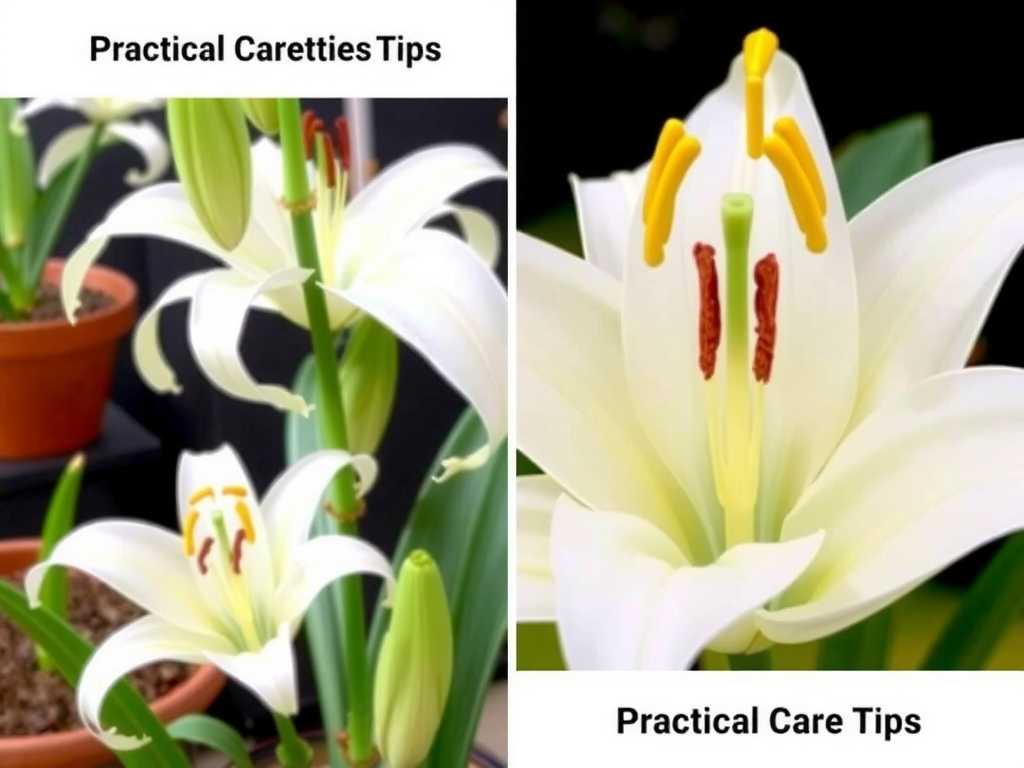
Understanding Your Lily: The Three Popular Types
Before diving into care details, correct identification is your first step. Each type offers distinct beauty and growing habits.
Asiatic Lilies: The Early Season Showstoppers Asiatic lilies are the workhorses of the lily world. They are typically the first to bloom in early to midsummer. Recognizable by their upward-facing flowers in a vibrant rainbow of colors—from bright yellows and oranges to rich pinks and reds—they often lack the strong fragrance of their cousins. This makes them excellent for cutting and bringing indoors. They are generally the shortest and most adaptable of the common lilies.
Oriental Lilies: The Fragrant Masterpieces If fragrance is your priority, Oriental lilies are your choice. Blooming in mid to late summer, after the Asiatics have faded, they feature large, outward-facing or pendant flowers with striking patterns and often ruffled petals. Think of the classic 'Stargazer' with its pink and white hues. Their scent is intense and sweet, perfect for perfuming an entire garden. They require slightly more specific soil conditions to truly thrive.
Trumpet Lilies: The Majestic Towers Also known as Aurelian lilies, these are the giants. Blooming in mid-summer, they produce tall, sturdy stems lined with numerous large, trumpet-shaped flowers that often face outward or downward. Their colors are frequently in the white, yellow, and pastel ranges, and they carry a delightful, sweet fragrance. As noted by the Royal Horticultural Society, Trumpet lilies add exceptional vertical structure and drama to borders.
Essential Care Guide for Asiatic Lilies
Asiatic lilies are praised for their resilience, but optimal care yields spectacular results.
Planting for Success The single most important rule for all lilies, especially Asiatics, is well-drained soil. They thrive in loose, fertile soil. Plant bulbs in the fall or early spring, about 3 times as deep as the bulb is tall (usually 4-6 inches). Ensure the location gets at least 6 hours of full sun daily for the strongest stems and most abundant flowers.
Watering and Feeding Schedule Water your Asiatic lilies deeply when the top inch of soil feels dry, providing about an inch of water per week. Consistent moisture is key during the spring growing season. Avoid overhead watering to prevent fungal diseases on the leaves. Feed with a balanced, slow-release fertilizer when shoots emerge in spring and again as the flower buds begin to form.
Post-Bloom and Winter Care After blooming, remove the spent flower heads to prevent seed production, which drains energy from the bulb. Crucially, do not cut back the foliage. The leaves must be left to photosynthesize and nourish the bulb for next year's bloom. Let the stems and leaves turn yellow and die back naturally. In colder climates (USDA zones 3-8), a layer of mulch after the ground freezes can help protect the bulbs.
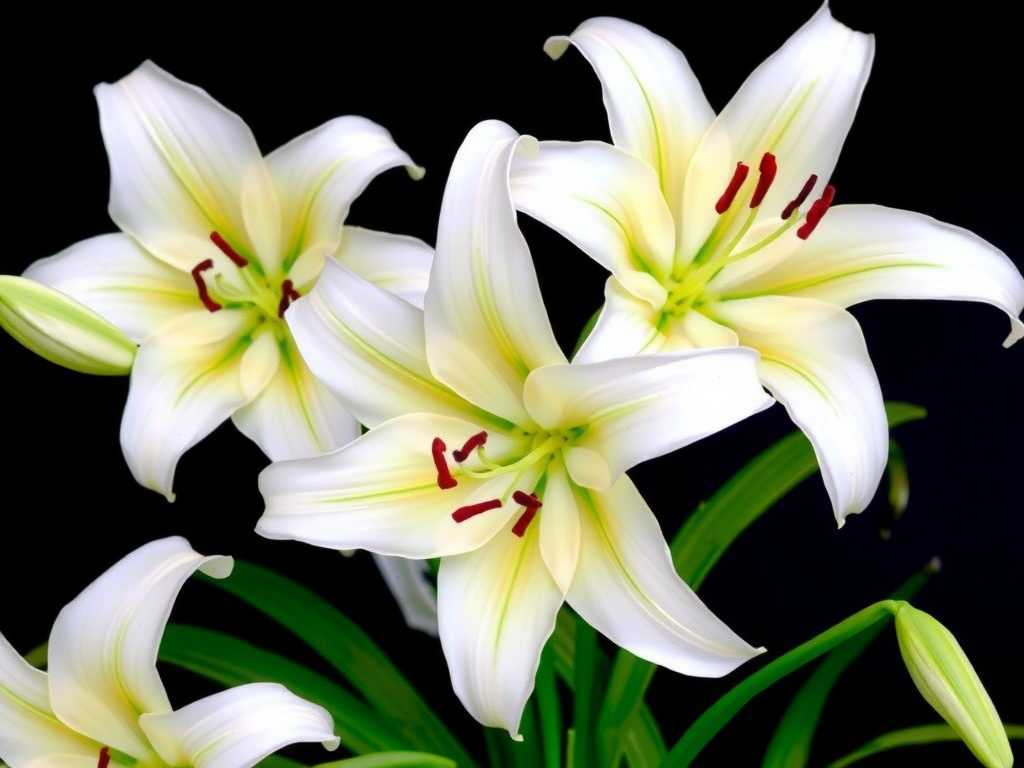
Mastering the Care of Fragrant Oriental Lilies
Oriental lilies demand a bit more finesse, particularly regarding soil chemistry, to unlock their full potential.
The Critical Acidic Soil Factor Unlike Asiatics, Oriental lilies prefer acidic soil with a pH between 5.5 and 6.5. This is their non-negotiable requirement. If your soil is neutral or alkaline, amend the planting hole generously with peat moss, composted pine bark, or a commercial soil acidifier. This acidity helps them absorb nutrients effectively and prevents leaf yellowing (chlorosis).
Light and Location Preferences They enjoy morning sun and afternoon shade, especially in hotter climates. This protects their large blooms from scorching and helps the fragrance last longer. The dappled light under deciduous trees can be an ideal setting. Ensure the location is sheltered from strong winds, which can topple their top-heavy blooms.
Maintenance for Continuous Blooms Watering is similar to Asiatics—deep and consistent, always at the soil level. Oriental lilies are heavy feeders. Use a fertilizer for acid-loving plants or a high-potassium fertilizer to support their massive blooms. After flowering, follow the same foliage protocol: deadhead, but let the stem brown naturally. Bulb expert and author Anna Pavord emphasizes that "the post-flowering period is when the lily rebuilds itself; denying it leaves is denying it a future."
Cultivating Towering Trumpet Lilies
Trumpet lilies combine height with elegance, requiring stable conditions to support their grand display.
Providing Structural Support Due to their height, which can reach 4 to 6 feet, Trumpet lilies almost always require staking. Insert a sturdy stake at planting time to avoid later damaging the bulb. Tie the stem loosely to the stake as it grows. Plant them in groups among sturdy perennials like ornamental grasses or phlox that can offer natural support.
Optimal Sun and Soil Conditions They perform best in full sun, which strengthens their stems. The soil must be exceptionally well-drained; consider planting on a slight slope or in a raised bed. They prefer neutral to slightly alkaline soil. Mix in plenty of organic compost and a handful of bone meal at planting to encourage strong root development.
Seasonal Care and Pest Management Trumpet lilies have high moisture needs during their active growth but despise wet feet. Water deeply and allow the soil to dry slightly between waterings. Watch for red lily beetles, a common pest. Hand-pick them immediately or use an appropriate organic insecticide. After blooming, remove the flower stalks but, once again, preserve all foliage until it dies back completely.
Frequently Asked Questions
Can I grow these lilies in pots? Absolutely. All three types can be grown in containers, which is an excellent solution for managing soil pH for Orientals. Choose a large, deep pot (at least 12 inches diameter) with excellent drainage. Use a high-quality potting mix and water more frequently, as pots dry out faster. Overwinter pots in an unheated garage in very cold climates to protect the bulbs from freeze-thaw cycles.
Why are my lily buds turning brown and falling off? This is often caused by either inconsistent watering (drought stress followed by overwatering) or a fungal disease called botrytis blight. Ensure consistent soil moisture and always water at the base, not on the foliage. Improve air circulation around plants and remove any affected plant parts immediately.
Do I need to lift lily bulbs every winter? In most climates, no. Lilies are perennial bulbs and prefer to be left undisturbed. They benefit from a consistent location to establish large colonies. The exception is in areas with very wet winters where soil drainage is poor, as sitting in soggy soil will rot the bulbs. Mulching is usually sufficient protection against cold.
Whether you're drawn to the bold simplicity of Asiatic lilies, the intoxicating perfume of Orientals, or the regal height of Trumpets, success lies in tailoring your care to their specific needs. The common thread is brilliant drainage, thoughtful feeding, and the patience to let the foliage complete its life cycle. By providing these fundamentals alongside the variety-specific tips for light and soil, you empower these magnificent plants to return year after year, each bloom a testament to your attentive care. Start with one type, master its rhythm, and soon your garden will be a layered symphony of lily blooms throughout the summer.