bluename
 How to Care for Climbing and Shrub Roses? Your Complete Cultivation Guide
You've chosen climbing or shrub roses, dreaming of cascading blooms or a lush, fragrant hedge. But now, you're facing yellowing leaves, sparse flowers, or a plant that just won't thrive. The challenge of keeping these beautiful roses healthy can feel overwhelming. This comprehensive guide cuts through the confusion, providing clear, actionable steps to ensure your climbing and shrub roses flourish, transforming your garden into a vibrant showcase.
Understanding Your Rose Type: The First Step to Success
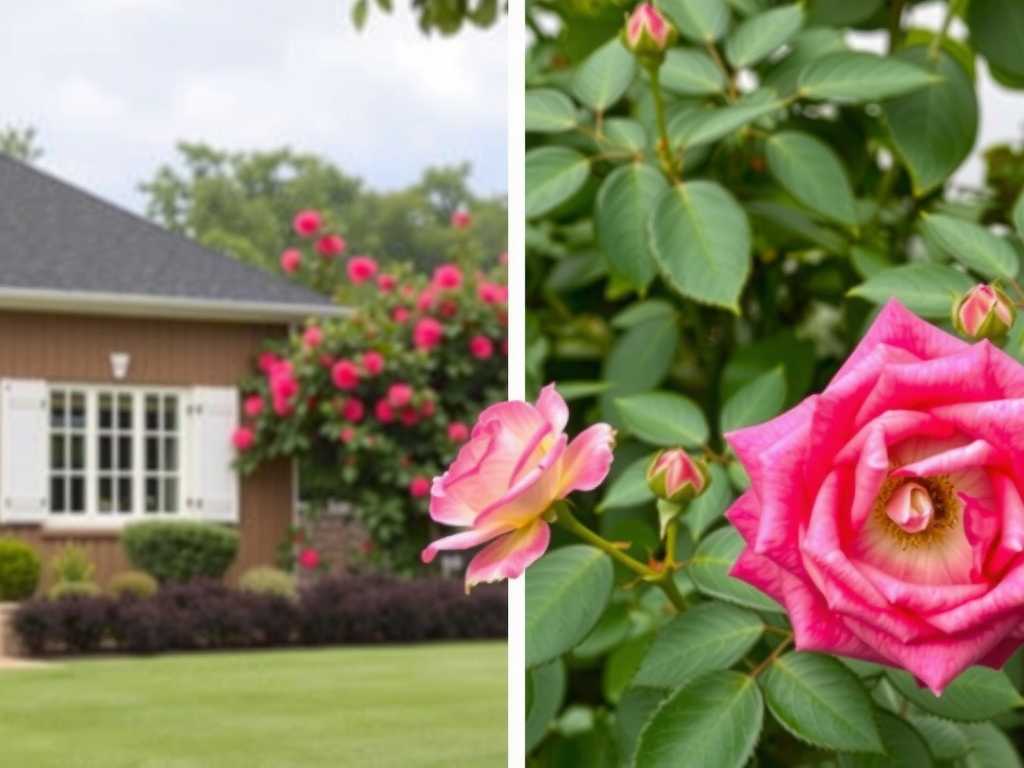
Before you plant or prune, know what you're growing. Climbing roses produce long, flexible canes ideal for training on structures. They often bloom in flushes throughout the season. Shrub roses are generally bushier, more robust, and many modern varieties offer continuous, prolific flowering. Correct identification is crucial for proper care.
Planting for Prosperity: Location and Technique
Sunlight is non-negotiable. Both types require a minimum of six hours of direct sun daily. More sun equals more blooms and healthier plants. Ensure the site has excellent air circulation to prevent fungal diseases but is sheltered from harsh winds.
Soil preparation is your most important task. Roses demand well-draining soil rich in organic matter. As noted by the American Rose Society, amending planting holes with generous amounts of compost or well-rotted manure creates the ideal foundation. Dig a hole twice as wide and as deep as the root ball. For bare-root roses, build a cone of soil in the hole and spread the roots over it. For container roses, plant at the same depth they were in the pot. Backfill, water deeply, and apply a layer of mulch to conserve moisture and suppress weeds.
The Art and Science of Watering
Consistent, deep watering is key. Aim for the base of the plant to keep foliage dry, which helps prevent black spot and powdery mildew. A general rule is to provide 1-2 inches of water per week, more during hot, dry spells. Drip irrigation or soaker hoses are highly effective. Morning watering allows any accidental splashes on leaves to dry quickly.
Feeding Your Roses for Maximum Blooms
Roses are heavy feeders. Begin fertilizing in early spring as new growth appears. Use a balanced, slow-release fertilizer formulated for roses or a general-purpose fertilizer like a 10-10-10. Follow the package instructions carefully. A second feeding after the first major bloom cycle encourages repeat flowering. Stop feeding about 6-8 weeks before your first expected frost to allow plants to harden off for winter.
Pruning with Purpose: Shrub vs. Climber
This is where care diverges significantly.
For shrub roses, the goal is to maintain shape, encourage new growth from the base, and improve air circulation. In early spring, remove dead, damaged, or diseased wood first. Then, cut back about one-third of the plant's overall height, making cuts at a 45-degree angle just above an outward-facing bud. Thin out the center to allow light and air in.
Pruning climbing roses is about managing structure and encouraging flowering laterals. Do not cut back the main structural canes severely. Instead, in early spring, remove any dead wood. Then, train the long, flexible main canes horizontally or at an angle along your support structure. This technique, called espalier, encourages more flowering shoots along the entire length of the cane. Prune the side shoots (laterals) that grew from these main canes back to 2-3 buds.
Disease and Pest Vigilance
Prevention is your best defense. Choose disease-resistant varieties whenever possible. Common issues include:
- Black Spot: Fungal disease causing black spots on leaves. Remove and destroy infected foliage. Apply a fungicide as a preventative measure.
- Powdery Mildew: White powder on leaves and buds. Ensure good air circulation and avoid overhead watering.
- Aphids: Small green or black insects on new buds. A strong spray of water often dislodges them, or use insecticidal soap.
Regular inspection allows for early, often non-chemical, intervention.
Winter Protection Strategies
In colder climates (USDA zones 6 and below), protection is wise. After the first hard frost, mound 10-12 inches of soil or mulch around the base of shrub roses. For climbers, you may need to detach and lay long canes on the ground, covering them with soil or mulch, or wrap the base and lower canes with burlap. In zones 7 and warmer, a heavy layer of mulch is usually sufficient.
Frequently Asked Questions
My climbing rose grows vigorously but doesn't bloom much. What's wrong? This is often due to incorrect pruning or training. If you prune climbers like shrubs, you cut off the flowering wood. Remember to train the main canes horizontally and only prune the side shoots. Also, ensure it's getting enough sunlight—at least 6 hours.
How often should I really water my newly planted shrub rose? For the first full growing season, water deeply 2-3 times per week, depending on rainfall and heat. The goal is to keep the root zone consistently moist but not soggy. Established roses have deeper roots and can tolerate more dryness between waterings.
Is it necessary to deadhead my roses? For most modern shrub roses and repeat-blooming climbers, yes. Deadheading (removing spent blooms) encourages the plant to produce more flowers instead of putting energy into seed production (rose hips). Cut the stem back to the first set of five leaflets. For some old garden or single-bloom varieties, you may choose to leave the hips for winter interest.
Caring for climbing and shrub roses is a rewarding journey that blends gardening skill with seasonal rhythm. By starting with the right planting site, providing consistent water and food, and applying the correct pruning techniques for each type, you build a strong foundation for health. Regular monitoring for pests and diseases, coupled with simple winter care in cold regions, will protect your investment. The result is not just survival, but an explosion of color and fragrance that makes every bit of effort worthwhile. Your dream of a rose-filled garden is absolutely within reach.