bluename
 How to Care for Classic Tulip Varieties? Essential Tips for Beginners
You've just planted your first batch of classic tulip bulbs, dreaming of a vibrant spring display. But weeks later, you might find stunted growth, drooping flowers, or bulbs that simply never sprout. Many beginners face these disappointments, often due to simple but critical missteps in care. Understanding the specific needs of timeless varieties like the Darwin Hybrid, Triumph, or Single Early tulips is the key to transforming your garden into a breathtaking spring canvas. This guide will walk you through every essential step, ensuring your classic tulips thrive and return beautifully year after year.
Understanding Your Classic Tulips
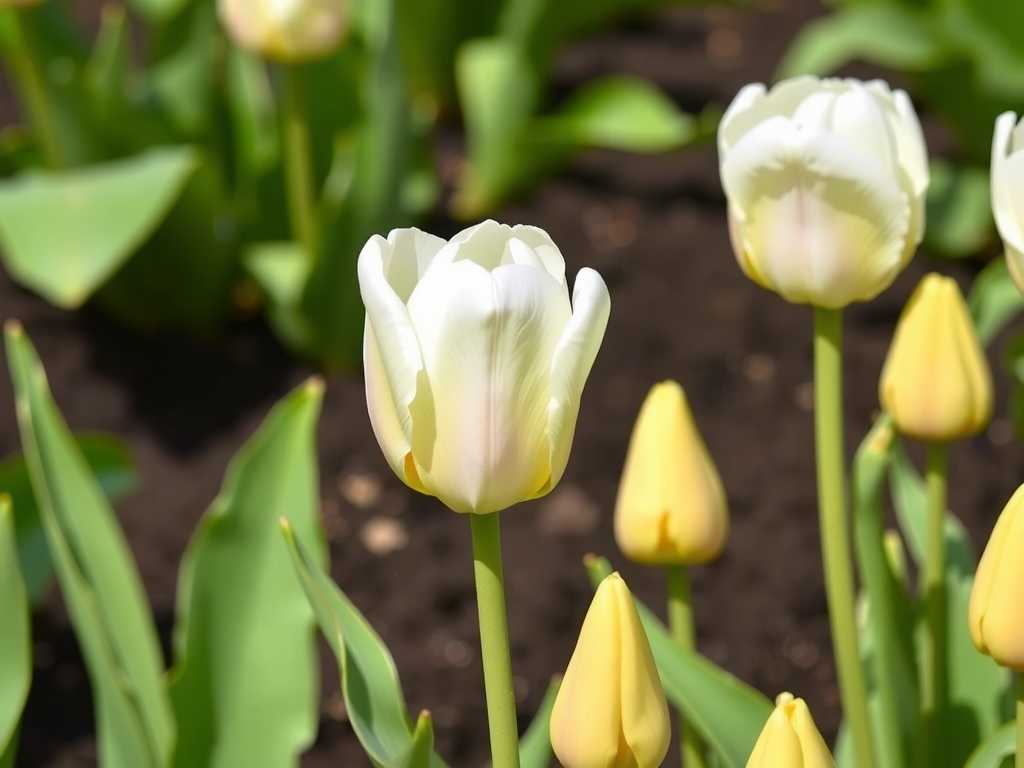
Before you plant, know what you're growing. Classic tulip varieties, cherished for their iconic cup-shaped blooms and sturdy stems, have consistent needs that differ from their more exotic cousins. They typically bloom in mid-spring and are prized for their reliability and vibrant colors. According to horticulturist Dr. Eleanor Vance, "Classic tulips are the backbone of the spring garden. Their success hinges on mimicking their native Central Asian habitat—cool winters, well-drained soil, and a dry summer dormancy." Recognizing this cycle is your first step toward success.
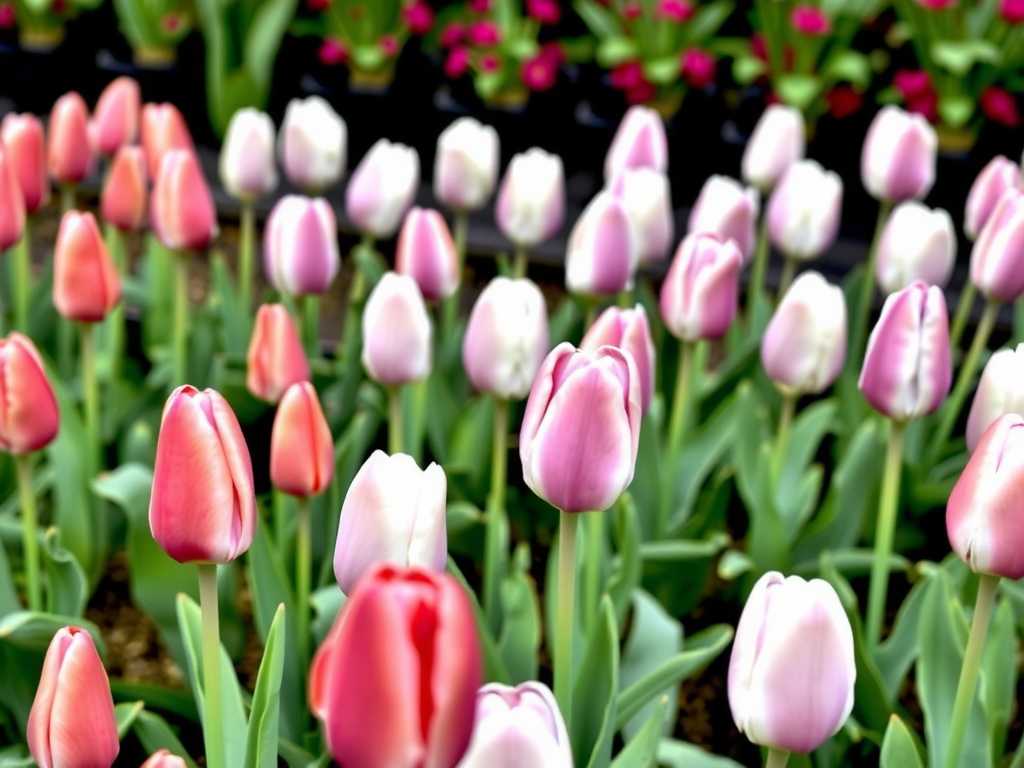
Planting: The Foundation of Success
Timing is everything. The single most important factor is planting your bulbs in the fall, about 6 to 8 weeks before the ground freezes. This allows them to establish strong roots before winter's chill sets in.
Choose a site that receives full sun for at least 6 hours a day. Well-drained soil is non-negotiable; tulips rot in soggy ground. If you have heavy clay soil, amend it with compost or coarse sand to improve drainage. Plant bulbs pointy-end up, at a depth roughly three times the bulb's height—usually about 6 to 8 inches deep. Space them 4 to 6 inches apart to allow for proper growth and air circulation.
Watering and Feeding: Nurturing Growth
After planting, give the area a thorough watering to settle the soil and encourage root development. Through the fall and spring, water only when rainfall is scarce, aiming for about an inch of moisture per week. The goal is moist, not waterlogged, soil.
As shoots emerge in spring, feed your tulips with a balanced, slow-release bulb fertilizer. This provides the necessary nutrients for strong stems and large blooms. Avoid high-nitrogen fertilizers, as they promote leafy growth at the expense of flowers.
Managing Blooms and Foliage
Once your classic tulips bloom, enjoy the spectacle! Deadhead spent flowers by snapping off the faded bloom, but crucially, leave the stem and all leaves intact. The foliage is the solar panel for the bulb. It photosynthesizes and sends energy down to the bulb to store for next year's growth.
Allow the leaves to turn completely yellow and wither naturally before removing them. This process can take several weeks but is vital for perennial performance. Tying or braiding the leaves is not recommended, as it reduces their sun-exposure area.
Post-Bloom Care and Dormancy
After the foliage has died back, you can lift and store bulbs if you have wet summers or simply wish to replant them elsewhere. Gently dig them up, brush off soil, let them dry in a cool, airy place for a few days, then store in a mesh bag in a cool, dark, and dry location until fall planting. In many well-drained gardens, you can simply leave the bulbs in the ground over the summer.
Protecting Your Investment
Pests like squirrels and voles can be a nuisance. Planting bulbs deeply and using a layer of sharp gravel in the planting hole can deter them. For severe problems, consider laying chicken wire over the planted area. Diseases like tulip fire or bulb rot are best prevented by ensuring excellent drainage and promptly removing any diseased plant material.
Why Aren't My Tulips Blooming Again?
This is the most common frustration. It's often called "blindness." The primary culprits are insufficient post-bloom foliage time (leaves removed too early), lack of sunlight, or poor soil nutrition. Ensure the leaves recharge the bulb fully and provide a springtime feed.
Can I Grow Classic Tulips in Warmer Climates?
Yes, but with a trick. Classic tulips require a sustained cold period (vernalization). In warmer zones (USDA 8-10), you must pre-chill the bulbs in your refrigerator's crisper drawer for 12-14 weeks before planting them in late fall or early winter. Treat them as annuals for reliable blooms.
Should I Mulch My Tulip Beds?
Absolutely. Applying a 2-inch layer of mulch after the ground freezes in late fall is beneficial. It prevents frost heaving, conserves soil moisture, and suppresses weeds. Avoid mulching too early, as it can create a habitat for rodents.
Caring for classic tulip varieties is a rewarding practice that pays off with a spectacular spring display. By focusing on proper planting depth, excellent drainage, patient post-bloom care, and seasonal feeding, you set the stage for success. Remember that the bulb is a living energy storehouse; your care after the flower fades directly fuels next year's show. Start with quality bulbs, give them the conditions they crave, and you'll master the art of growing these timeless garden treasures.