bluename
 How to Care for Different Hydrangea Varieties? Simple Care Tips
You’ve brought home a stunning hydrangea, dreaming of those lush, bountiful blooms, only to watch the leaves wilt, the flowers fade prematurely, or worse—the plant refuses to bloom at all. This frustration is common among gardeners, as hydrangeas are not a one-size-fits-all plant. Each major variety has its own unique preferences for sunlight, pruning, and even soil chemistry. Understanding these differences is the key to unlocking a spectacular, healthy display in your garden. This guide will provide simple, actionable care tips tailored to the most popular hydrangea varieties, transforming your gardening experience from guesswork to success.
Understanding the Major Hydrangea Types
Before diving into care, correct identification is crucial. The care your hydrangea needs depends entirely on its type. The most common varieties found in gardens are Bigleaf (Hydrangea macrophylla), Panicle (Hydrangea paniculata), Smooth (Hydrangea arborescens), and Oakleaf (Hydrangea quercifolia). Each has distinct leaf shapes, bloom forms, and growth habits. For instance, Bigleaf hydrangeas are famous for their ability to change flower color based on soil pH, while Panicle hydrangeas boast large, cone-shaped flower clusters. Taking a moment to identify your plant will ensure the following tips are perfectly applied.
Tailored Care for Bigleaf Hydrangeas (Mophead & Lacecap)
Bigleaf hydrangeas are the classic choice, often seen with large, round "mophead" blooms or flatter "lacecap" flowers. Their care centers on moisture, protection, and precise pruning.
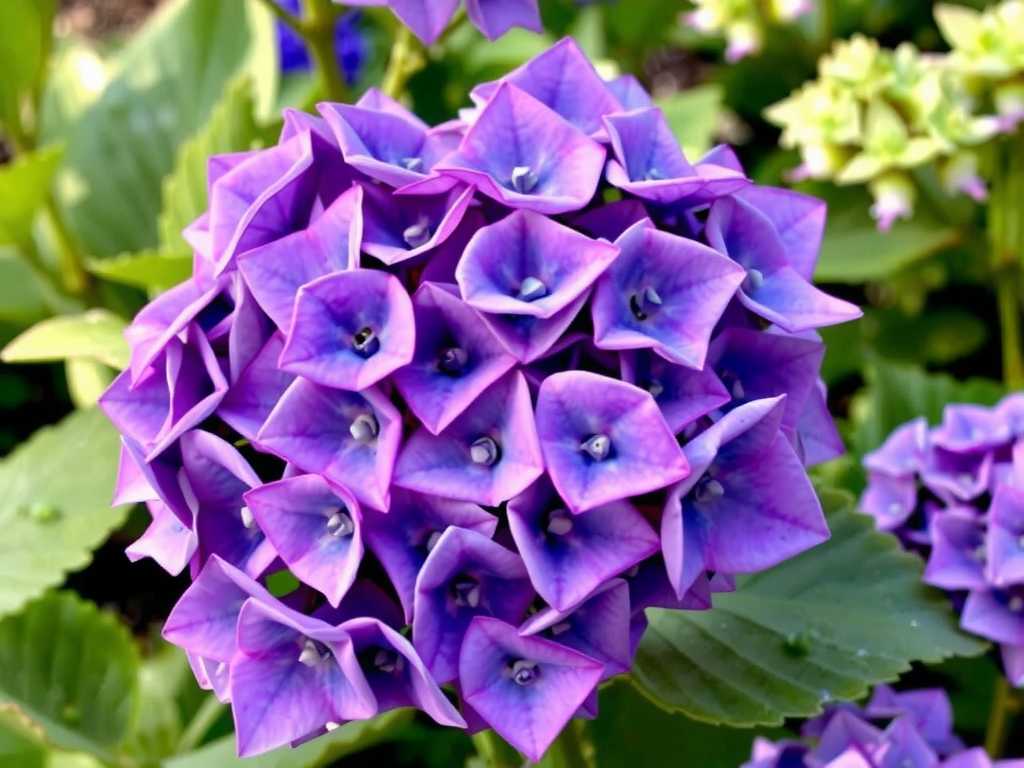
Sunlight and Location: These varieties thrive in morning sun and afternoon shade. Harsh, direct afternoon sun can scorch leaves and stress the plant, leading to drooping. A spot with dappled sunlight all day is ideal. According to horticulturists at the American Hydrangea Society, providing shade during the peak heat of the day is the single most effective way to prevent wilting in Bigleaf types.
Watering and Soil: Consistent moisture is non-negotiable. The soil should feel like a well-wrung sponge—moist but not soggy. Deep watering 2-3 times per week during dry spells is better than frequent, shallow sprinkles. Mulching with 2-3 inches of organic matter like shredded bark helps retain soil moisture and keeps roots cool. Well-draining soil is essential to prevent root rot.
The Secret to Flower Color: For blue flowers, you need acidic soil (pH 5.0-5.5). Applying aluminum sulfate can help lower pH. For pink flowers, aim for alkaline soil (pH 6.0-6.5) and use garden lime. White varieties remain white regardless of pH. This color change primarily applies to mophead and lacecap hydrangeas.
Pruning Strategy: This is critical. Bigleaf hydrangeas primarily bloom on "old wood"—buds formed the previous summer. Prune immediately after flowering finishes in summer. If you prune in fall or spring, you will likely cut off the coming season’s flower buds. Simply deadhead spent blooms and remove any dead or weak stems.
Essential Guide for Panicle Hydrangeas
Panicle hydrangeas, like the popular ‘Limelight’ or ‘Fire Light’, are the workhorses of the hydrangea family. They are incredibly cold-hardy, sun-tolerant, and reliable bloomers.
Sunlight and Hardiness: Unlike their shade-loving cousins, Panicle hydrangeas perform best in full sun to partial shade (at least 6 hours of sun). More sun typically leads to stronger stems and more abundant blooms. They are hardy to USDA zone 3, making them an excellent choice for colder climates.
Watering and Feeding: While more drought-tolerant once established, they still prefer consistent moisture, especially when young. A balanced, slow-release fertilizer applied in early spring supports their vigorous growth and prolific flowering.
Simple Pruning for Abundant Blooms: Panicle hydrangeas bloom on "new wood"—growth produced in the current season. This makes pruning foolproof. In late winter or early spring, before new growth emerges, you can prune them quite hard. Cut back stems by about one-third to one-half to maintain shape and encourage large flower heads. This annual pruning prevents them from becoming leggy.
Caring for Smooth Hydrangeas (Like ‘Annabelle’)
Smooth hydrangeas are native to North America and known for their enormous, snowball-like white flowers. The classic ‘Annabelle’ can produce blooms up to 12 inches across.
Light and Placement: They are versatile, thriving in partial shade but also tolerating full sun if kept sufficiently moist. In hotter climates, afternoon shade is beneficial to prevent stress.
Support and Moisture: Their main challenge is that the massive flower heads can cause stems to flop over, especially after rain. Planting in a sheltered location or using discreet grow-through supports can help. They are not drought-tolerant and require regular watering during dry periods.
Pruning Approach: Like Panicle types, Smooth hydrangeas bloom on new wood. For a tidy garden, you can cut all stems back to about 6-12 inches from the ground in late winter. This encourages strong, upright growth that better supports the heavy blooms. Alternatively, for a more natural look, you can forgo pruning every other year.
Maintaining Oakleaf Hydrangeas
Oakleaf hydrangeas offer multi-season interest with their cone-shaped flower clusters, spectacular fall foliage, and peeling winter bark. They are naturally more drought-tolerant and low-maintenance.
Ideal Growing Conditions: They prefer partial shade, particularly in the South, but can handle more sun in cooler northern zones. The key is well-draining soil; they are susceptible to root rot in heavy, wet clay. Their deep root system makes them more resilient once established.
Minimal Pruning Needed: Oakleaf hydrangeas require very little pruning. They bloom on old wood. Limit pruning to immediately after flowering to shape the plant or remove dead stems. Avoid heavy pruning, as it will reduce next year's blooms. Simply enjoy their natural, handsome form.
Seasonal Care Checklist for All Hydrangeas
- Spring: Apply a balanced, slow-release fertilizer as leaves emerge. Refresh mulch layer. Begin consistent watering schedule as temperatures rise.
- Summer: Deadhead spent blooms (except on Oakleaf, where you can leave them for winter interest). Monitor for wilting and water deeply. Watch for pests like aphids.
- Fall: Water thoroughly before the first frost to help roots overwinter. Leave old flower heads on Bigleaf and Oakleaf types to provide winter protection for the buds below.
- Winter: Apply a fresh layer of mulch after the ground freezes to prevent frost heaving. This is the time for major pruning on Panicle and Smooth varieties.
Why isn’t my hydrangea blooming? This is the most common question. The answer is almost always incorrect pruning (cutting off old wood buds) or insufficient sunlight. Late spring frosts can also damage tender buds. Ensure you know your hydrangea type and its pruning schedule.
Can I change the color of my hydrangea flowers? Yes, but only for Bigleaf (macrophylla) varieties with pink or blue blooms. It’s a process of adjusting soil pH over time with additives like aluminum sulfate for blue or garden lime for pink. White-flowered hydrangeas cannot change color.
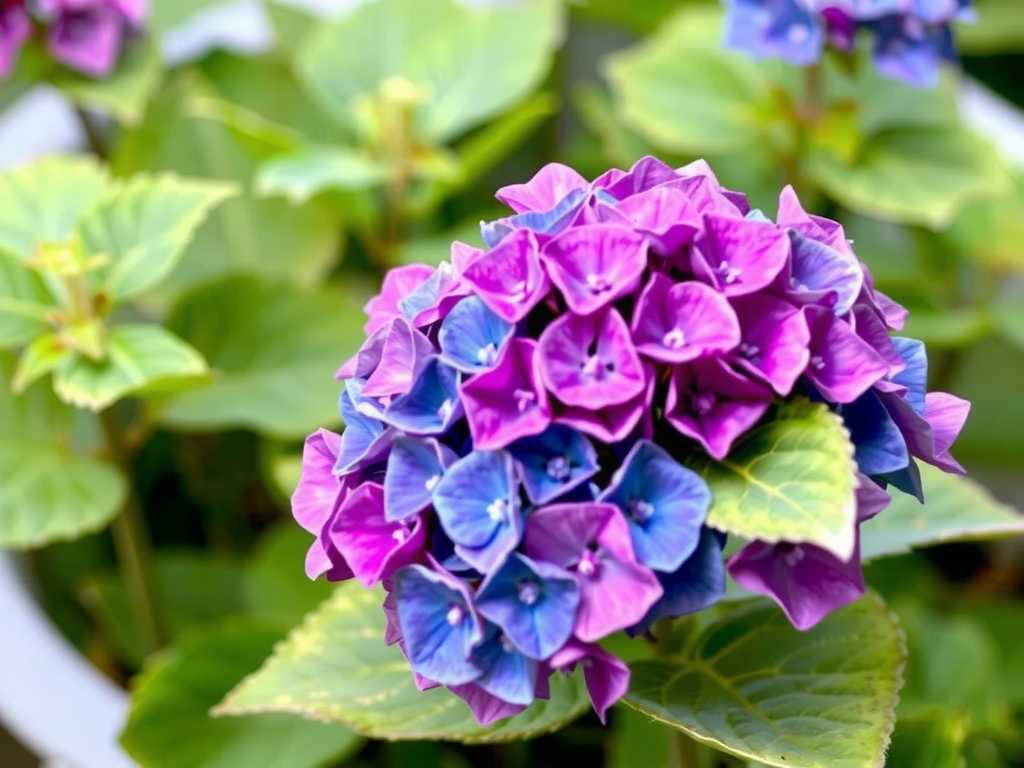
What’s the best fertilizer for hydrangeas? A general-purpose, balanced fertilizer (like a 10-10-10 NPK) is suitable for most. For Bigleaf hydrangeas where you want to encourage blue flowers, a fertilizer for acid-loving plants can be beneficial. Always fertilize in early spring.
Caring for hydrangeas becomes simple and rewarding when you match your practices to the specific variety in your garden. By providing the right balance of light, mastering the timing of pruning, and maintaining consistent moisture, you can ensure each type—from the classic Bigleaf to the hardy Panicle—reaches its full potential. Remember, the effort you put into understanding their individual needs is returned tenfold in the form of breathtaking, season-long beauty.