bluename
 How to Care for Common Succulent Varieties? Quick Start Guide
You’ve brought home a charming little succulent, drawn in by its unique shapes and promise of easy care. But weeks later, you’re staring at a shriveled, discolored, or mushy plant, wondering what went wrong. If this sounds familiar, you’re not alone. The most common mistake new succulent owners make is treating these resilient plants like typical houseplants. This guide will demystify the process and show you exactly how to care for common succulent varieties, setting you up for long-term success from the very first day.
Understanding the Succulent Mindset
Before we dive into specific care steps, it’s crucial to understand what makes succulents different. Succulents are plants that store water in their leaves, stems, or roots, allowing them to thrive in arid environments. As noted by horticulturist Dr. Emily Sterling, "Treating a succulent like a tropical fern is a recipe for disaster. Their care regimen is a direct reflection of their native, often harsh, habitats." This fundamental principle guides everything from watering to sunlight.
Your Essential 4-Step Care Routine
Mastering succulent care boils down to four key pillars: light, water, soil, and container. Get these right, and your plants will not just survive, but thrive.
Give Them the Sunlight They Crave
Light is the most critical factor. Most common succulent varieties need bright, indirect light for at least 4-6 hours daily. A south or east-facing windowsill is often ideal. Signs of insufficient light include stretching or "etiolation," where the plant grows tall and leggy as it reaches for the sun, and loss of vibrant color. On the other hand, too much direct, harsh afternoon sun can lead to sunburn, appearing as bleached, brown, or crispy patches on the leaves. Acclimate your plants gradually to brighter spots to avoid shock.
Master the "Soak and Dry" Watering Method
Overwatering is the single biggest killer of succulents. The golden rule is: when in doubt, wait it out. Forget a weekly schedule. Instead, water only when the soil is completely dry. To check, stick your finger an inch into the soil. If it’s dry, it’s time for a thorough soak. Water deeply until excess water runs freely out of the drainage hole, then let the pot drain completely. Never let your succulent sit in a saucer of water. In winter, when most succulents are semi-dormant, you may only need to water once a month or less.
Use Fast-Draining Soil
Standard potting soil holds too much moisture. Your succulents need a gritty, well-draining mix to prevent root rot. You can buy a pre-mixed cactus and succulent soil or make your own. A simple, effective recipe is to mix 50% standard potting soil with 50% perlite or coarse sand. This creates an environment where water flows through quickly, mimicking the dry, rocky soils of their natural homes.
Choose a Pot with a Drainage Hole
This is non-negotiable. A pot without a drainage hole traps water at the bottom, creating a swampy environment that will rot the roots. Terra cotta pots are an excellent choice for beginners because they are porous, allowing the soil to dry out more evenly and quickly than plastic or ceramic pots. Ensure the pot is only slightly larger than the root ball; too much extra soil will stay wet for too long.
Care Tips for 5 Common Succulent Varieties
While the core principles above apply to all, some popular varieties have slight preferences.
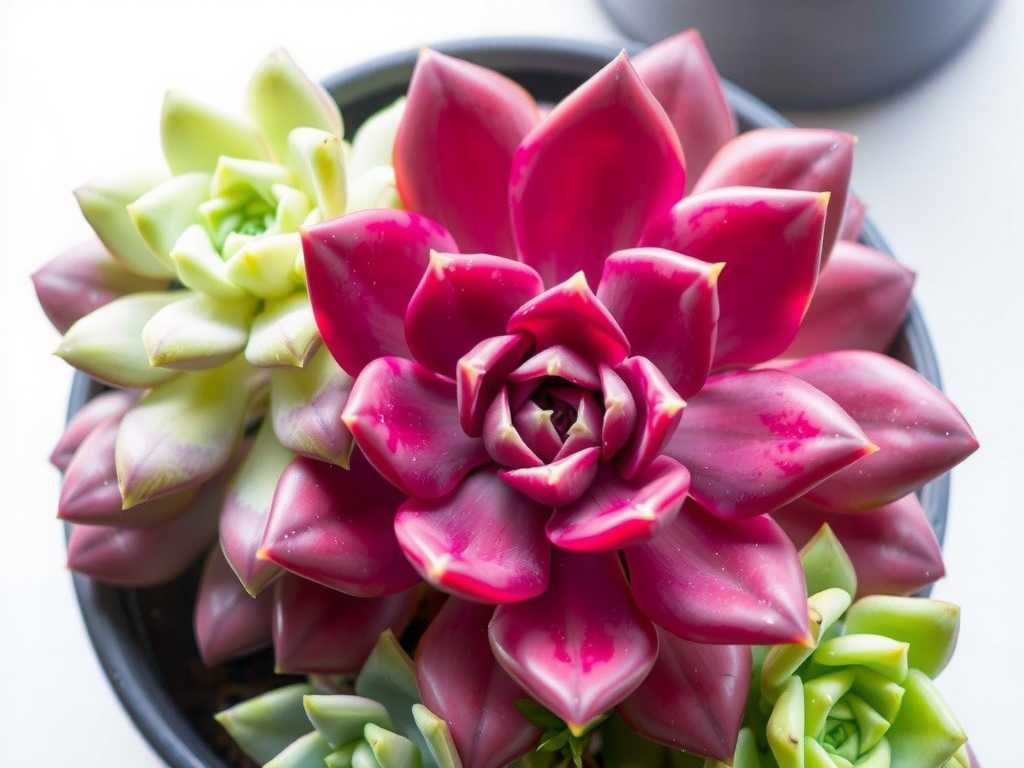
Echeveria These rosette-shaped beauties need plenty of bright light to maintain their tight form and often colorful edges. Avoid getting water on the leaves, as it can lead to rot. They are excellent candidates for sunny windowsills.
Jade Plant (Crassula ovata) A classic and hardy variety, Jade Plants can tolerate slightly more frequent watering than others, but only once the soil is dry. They appreciate bright light and can even handle some direct sun. Their thick trunks and branches store significant water.
Aloe Vera Prized for its soothing gel, Aloe Vera prefers bright, indirect light. Direct afternoon sun can brown its leaves. It has moderate watering needs but is quite forgiving. The plumpness of its leaves is a good indicator of its water storage—firm leaves mean it’s well-hydrated.
Snake Plant (Sansevieria) The ultimate low-light tolerant succulent. While it prefers bright, indirect light, it will stubbornly survive in lower light conditions, making it a perfect office or bathroom plant. Water very infrequently, especially in low light.
Haworthia Often mistaken for a small aloe, Haworthias prefer bright, indirect light and are easily scorched by direct sun. They are perfect for a desk or shelf that receives filtered light. Their watering needs are similar to other succulents—infrequent but deep.
Troubleshooting Common Problems
- Soft, Mushy, Translucent Leaves: A classic sign of overwatering. Stop watering immediately. Check the roots for rot (black and mushy). If present, cut away the rot, let the plant callous for a few days, and repot in fresh, dry soil.
- Shriveled, Wrinkled Leaves: This is underwatering. Give the plant a deep soak. The leaves should plump up within a day or two.
- Stretching and Pale Color: Not enough light. Gradually move the plant to a brighter location. The already stretched growth won’t revert, but new growth will be compact.
- Brown, Crispy Spots: Likely sunburn. Move the plant to a location with gentler, indirect light.
How often should I really water my succulent? There is no universal schedule. The frequency depends on your climate, season, pot size, and soil. Always use the "finger test" or weight of the pot to check for complete dryness before watering. In summer, it might be every 10-14 days; in winter, it could be over a month.
Can I grow succulents in low light? While some varieties like Snake Plants and Haworthias are more tolerant, no succulent truly thrives in deep shade. Low light will lead to etiolation (stretching) and poor health over time. For best results, provide the brightest light possible in your space.

What’s the best way to propagate my succulents? Many common succulent varieties propagate easily from leaves or stem cuttings. Gently twist a healthy leaf from the stem, let it form a callous for a few days, then place it on top of dry soil. Mist occasionally. Soon, tiny roots and a new rosette will form. Stem cuttings can be treated similarly.
Starting your succulent journey doesn’t require a green thumb, just a shift in perspective. By embracing their need for abundant light, infrequent but deep watering, and gritty soil, you’re working with their nature, not against it. Pay attention to the signals your plant gives you—plump or wrinkled leaves, compact or stretched growth. Each variety has its own charm, but they all share a love for neglectful affection. With these fundamentals in hand, you’re ready to build a thriving, resilient collection of these fascinating plants.