bluename
 How to Care for Different Sunflower Varieties? Efficient Care Guide
You’ve planted your sunflower seeds, dreaming of those iconic, cheerful blooms. But as the seedlings emerge, questions start to sprout too. Why are some varieties towering while others stay petite? Is the care the same for all? The frustration of seeing a sunflower struggle—whether from too much water, not enough sun, or the wrong soil—can dim the joy of gardening. The truth is, not all sunflowers are created equal, and a one-size-fits-all approach often leads to disappointment. This guide cuts through the confusion, offering a clear, efficient care plan tailored to the unique needs of different sunflower varieties, ensuring your garden is a sea of thriving, sunny faces.
Understanding Your Sunflower’s Basic Needs
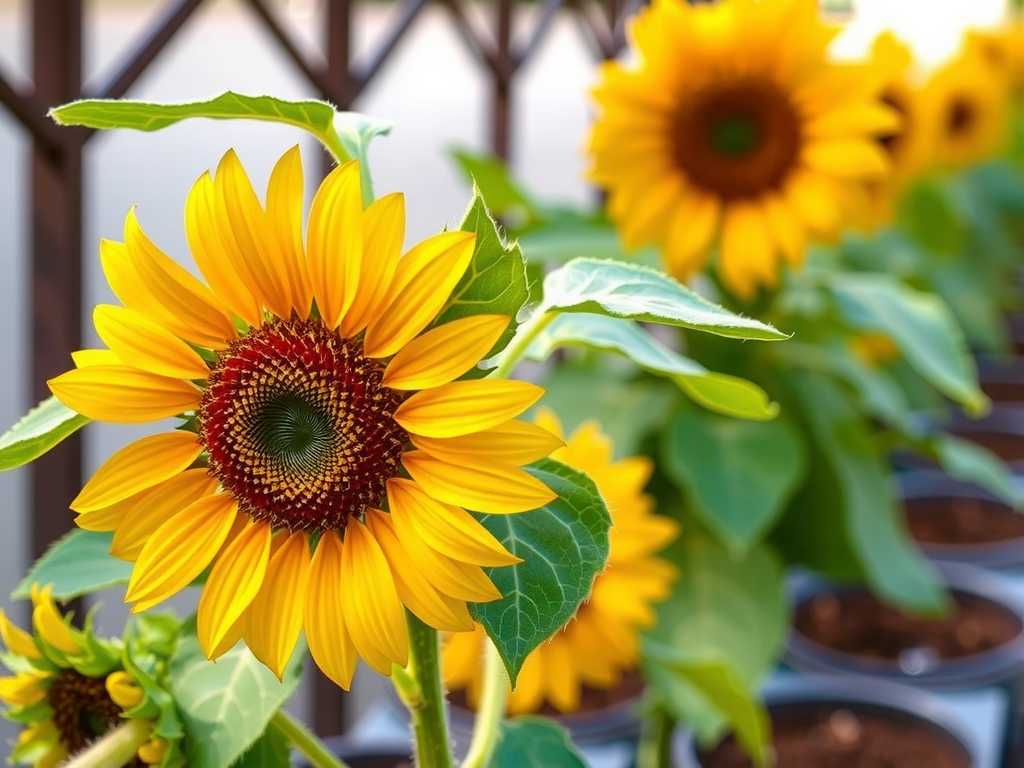
Before diving into variety-specific care, let’s establish the universal pillars of sunflower health. All sunflowers, from the giant ‘Russian Mammoth’ to the dainty ‘Teddy Bear’, share core requirements rooted in their origin as prairie plants.
Sunlight is non-negotiable. These plants are named for a reason. They require a minimum of 6-8 hours of direct, unfiltered sunlight daily. Less light leads to weak, spindly stems and poor flowering. As noted by the University of Minnesota Extension, sunflowers are heliotropic in their bud stage, meaning they track the sun from east to west, maximizing light absorption—a clear testament to their light-loving nature.
Well-draining soil is critical. While sunflowers are adaptable, they perish in waterlogged conditions. Aim for a loamy soil with a pH between 6.0 and 7.5. Good drainage prevents root rot, the silent killer of many young plants. A simple test? Dig a hole, fill it with water. If it drains within an hour, your soil is suitable.
Tailored Care for Major Sunflower Types
This is where efficient care diverges. Grouping sunflowers by their primary characteristic—height—allows for targeted gardening strategies.
Caring for Giant and Tall Sunflower Varieties
Varieties like ‘Mongolian Giant’, ‘American Giant’, and ‘Skyscraper’ can soar over 12 feet. Their care focuses on structural support and intense feeding.
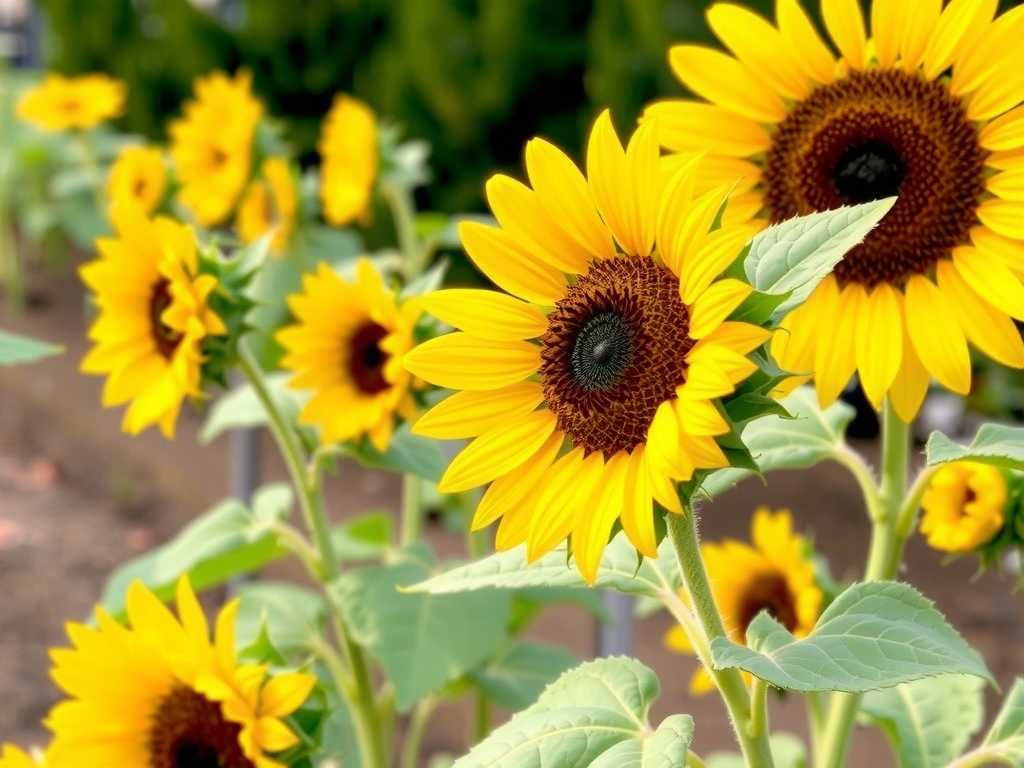
Staking is mandatory, not optional. Install a sturdy 6-8 foot stake at planting time to avoid damaging roots later. Use soft ties to secure the main stem as it grows. Proactive support prevents heartbreak from summer storms snapping a heavy, flower-topped stalk.
Their massive growth demands significant nutrients. At planting, mix a slow-release, balanced fertilizer into the soil. Once the plant is about 2 feet tall, side-dress with a fertilizer higher in phosphorus (the middle number on the package) to encourage massive flower head development. Water deeply and consistently, ensuring moisture reaches the extensive root system. These giants are heavy drinkers.
Caring for Dwarf and Medium-Height Varieties
Popular varieties like ‘Sunspot’, ‘Teddy Bear’, and ‘Music Box’ (under 3 feet) or ‘Autumn Beauty’ and ‘Italian White’ (3-6 feet) offer versatility for borders and containers.
Their compact size makes them perfect for pots. Use a large container (at least 12-16 inches deep) with excellent drainage. A high-quality potting mix is essential. Dwarf varieties are ideal for adding vertical interest to patio gardens or balcony displays. According to container gardening expert Jessica Walliser, the key is consistent watering, as pots dry out faster than garden soil.
While less hungry than giants, they still benefit from nutrition. A single application of a balanced, water-soluble fertilizer at the onset of budding is usually sufficient. Their spacing needs are flexible; they can be planted closer together (8-12 inches) for a lush, full look without as much competition for resources.
Caring for Pollen-Free and Cutting Varieties
Bred for bouquets, varieties like ‘ProCut’ series, ‘Sunrich’, and ‘Moonbright’ are pollenless, eliminating messy pollen drop. Their care prioritizes continuous, flawless blooms.
To encourage branching and more flowers for cutting, practice pinching. When the main stem is about 12-18 inches tall, use clean shears to snip off the very top growing tip. This redirects energy to side shoots, creating a bushier plant with multiple, longer-stemmed blooms perfect for vases.
For a prolonged harvest, practice succession planting. Sow seeds every 2-3 weeks from spring to early summer. This ensures a steady supply of fresh-cut flowers rather than one overwhelming flush. Always cut stems early in the morning, at a sharp angle, and place them immediately in water.
Caring for Unique and Ornamental Varieties
This group includes the striking ‘Moulin Rouge’ with deep red petals, the fluffy double-bloomed ‘Teddy Bear’, and the multi-branched ‘Italian White’. Their unusual traits require slight adjustments.
Dark-petaled and delicate varieties can be more susceptible to scorching in extreme afternoon heat. If you live in a very hot climate (Zone 9+), provide light afternoon shade or ensure they are exceptionally well-watered to cope with the heat stress. Their unique colors are worth the extra attention.
Double-bloomed and heavily branched types need excellent air circulation to prevent fungal diseases like powdery mildew. Avoid overhead watering, which wets the foliage. Instead, water at the soil level. Space plants generously according to their mature width to allow air to flow freely between them.
Seasonal Care and Problem-Solving
Your care must adapt with the calendar. In spring, focus on soil preparation and protecting seedlings from slugs and birds with cloches or netting. Summer is the season of vigilant watering, feeding, and pest patrol—watch for aphids on the undersides of leaves and treat them with a strong spray of water or insecticidal soap. As autumn arrives, you can leave seed heads for birds or harvest them for roasting. For perennial varieties, cut back stalks after frost and apply a light mulch for winter protection.
Even with the best care, issues arise. Leggy seedlings need more light. Small flowers often indicate inadequate sunlight or poor soil nutrition. If buds form but don’t open, check for boron deficiency (a micronutrient) or extreme water stress. Rotating your sunflower planting location each year helps prevent soil-borne diseases.
Frequently Asked Questions
Can I grow sunflowers in partial shade? While they tolerate very light partial shade, flowering will be significantly reduced, and stems will stretch toward the light, becoming weak. For the best results, always choose the sunniest spot possible.
How often should I water my sunflowers? There’s no universal schedule. The rule is deep, infrequent watering. Water thoroughly when the top 1-2 inches of soil are dry. This encourages deep root growth. Potted sunflowers may need water daily in peak heat, while in-ground plants might need it every 2-3 days.
Why are the leaves on my sunflower turning yellow? Yellowing lower leaves often signal overwatering or poor drainage. Yellowing of new growth can indicate under-watering or a nutrient deficiency (often nitrogen). Assess your watering habits first, then consider a soil test to check nutrient levels.
From the soil preparation at planting to the support for towering giants and the precise care for cutting gardens, success lies in matching your actions to your sunflower’s type. By understanding these distinctions—providing robust support for giants, optimizing containers for dwarfs, and pinching for more cut flowers—you move from generic hope to confident, efficient care. Start with the right variety for your goal, follow its specific needs, and you’ll be rewarded with a season of resilient, radiant blooms that capture the very essence of summer.