bluename
 How to Care for Lavender Varieties? Quick Mastery Tips
You've brought home a beautiful lavender plant, dreaming of fragrant blooms and soothing purple hues, only to watch it become leggy, fail to flower, or worse, wither away. The frustration is real. Many gardeners struggle because caring for lavender isn't a one-size-fits-all task; different varieties have subtly different needs. Mastering how to care for lavender varieties is the key to unlocking their full, resilient, and aromatic potential.
This guide cuts through the confusion. We'll provide clear, actionable steps tailored to the most common lavender types, transforming you from a worried plant owner into a confident lavender expert.
Understanding Your Lavender: The First Critical Step
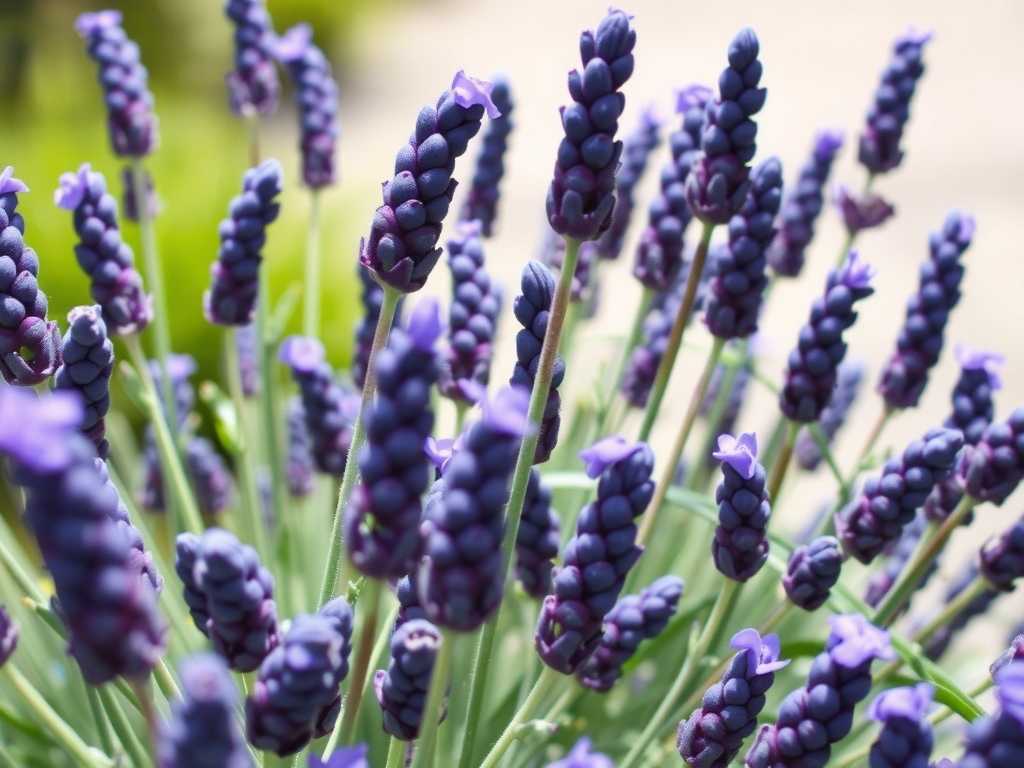
Before you water or prune, you must identify your lavender. This is the cornerstone of proper care. The most common varieties fall into three main groups, each with its own personality.
English Lavender (Lavandula angustifolia) is the classic, hardy favorite. Think of varieties like 'Hidcote' with its deep purple flowers or 'Munstead' known for its compact size. It's renowned for its sweet fragrance and cold tolerance, thriving in USDA zones 5-8.
French Lavender (Lavandula dentata and Lavandula stoechas) is the dramatic cousin. You can recognize it by the distinctive, tufted "rabbit ear" bracts on top of its flower heads. It prefers warmer climates (zones 8-11) and is often grown as an annual in cooler regions or kept in containers.
Lavandin (Lavandula x intermedia) is a powerful hybrid, a cross between English and Portuguese lavender. Varieties like 'Grosso' and 'Provence' are workhorses, producing abundant oil and large flower spikes. They are highly valued for commercial cultivation and are generally robust in zones 5-9.
Why does this matter? As noted by horticulturist and author Jessica Walliser, "Treating a tender French lavender the same as a hardy English type is a recipe for disappointment. Success starts with knowing what you're growing."
The Non-Negotiables: Sun, Soil, and Drainage
Regardless of variety, all lavenders share three non-negotiable requirements. Get these right, and you've won 80% of the battle.
Maximum Sunlight is Mandatory Lavender is a sun worshipper. It requires a minimum of 6 to 8 hours of direct, unfiltered sunlight daily. More is better. Insufficient sun leads to weak, spindly growth, fewer flowers, and increased susceptibility to disease. Choose the sunniest spot in your garden.
The Perfect Soil Mix: Lean and Mean This is perhaps the most common point of failure. Lavender demands poor to moderately fertile, alkaline, and exceptionally well-draining soil. Rich, heavy, or moisture-retentive soil will cause root rot.
For in-ground planting, amend clay or dense soil with plenty of coarse sand, gravel, or crushed oyster shell to improve drainage and increase alkalinity. A raised bed is an excellent solution. For containers, use a cactus or succulent potting mix, or create your own blend with two parts regular potting soil to one part perlite or coarse sand.
Mastering the Art of Watering Lavender is drought-tolerant once established. Overwatering is a far greater threat than underwatering. The goal is to mimic its native Mediterranean conditions.
Water newly planted lavender regularly for the first season to help it establish a deep root system. After that, adopt a "deep but infrequent" watering schedule. Allow the soil to dry out completely between waterings. In many climates, established plants may only need supplemental water during prolonged droughts. Container plants will need more frequent watering than in-ground ones, but always check the soil first.
Variety-Specific Care Adjustments
Now, let's apply those fundamentals with a tailored approach.
Caring for English Lavender This hardy variety is the most forgiving of cooler, wetter climates, but still requires excellent drainage. It benefits from a light application of lime in the soil if your area is acidic. Pruning is crucial: give it a light trim after the first bloom to encourage a second flush, and a harder, shaping prune in early spring, cutting back by about one-third but never into old, woody growth.
Caring for French Lavender This variety is more sensitive. It cannot tolerate frost and needs winter protection in cooler zones. It prefers slightly more organic matter in the soil than English types but drainage remains paramount. It has a longer blooming season. Prune lightly after flowering cycles to maintain shape, and protect it from excessive winter moisture.
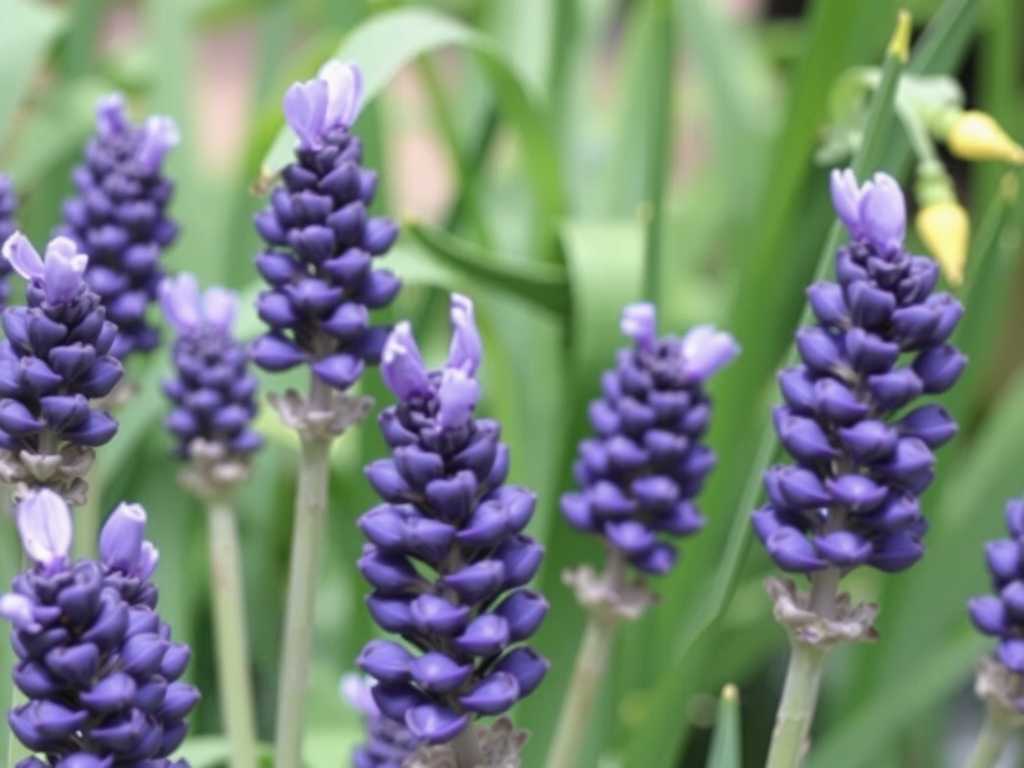
Caring for Lavandin These hybrids are vigorous and often larger. They share the cold hardiness of English lavender but with higher oil yield. They require the same sharp drainage and benefit from annual pruning to prevent the center from becoming woody and bare. Due to their size, ensure they have ample space for air circulation.
Pruning and Maintenance for Long-Term Health
Pruning isn't just about looks; it's about longevity. An unpruned lavender quickly becomes woody, sprawls open, and produces fewer flowers.
The golden rule: Always leave green leaves. Never cut back into the bare, woody stems, as they rarely produce new growth. Prune immediately after the main flowering fade, removing about one-third of the green growth. In early spring, tidy up the plant, removing any dead wood and giving it a light shape. This annual practice encourages dense, compact growth and prolific blooming. A study from the Royal Horticultural Society emphasizes that consistent annual pruning can extend a lavender plant's productive life by several years.
Harvesting and Enjoying Your Bounty
Your care culminates in the harvest. For the most potent fragrance, harvest lavender just as the flower buds begin to open, typically in the morning after the dew has dried. Cut long stems, bundle them loosely, and hang them upside down in a dark, dry, well-ventilated area to dry.
Use your dried lavender in sachets, culinary endeavors (only use Lavandula angustifolia for cooking), or simple floral arrangements. The joy of using your homegrown lavender is the ultimate reward for your diligent care.
Troubleshooting Common Lavender Problems
Why is my lavender turning brown or gray at the base? This is almost always a sign of excess moisture or poor air circulation, leading to fungal root or stem rot. Ensure your soil drains perfectly, avoid overhead watering, and prune to open up the plant's center for better airflow. In severe cases, you may need to take cuttings from healthy green tips to propagate a new plant.
My lavender is leggy and falling open. Can I save it? Leggy growth is caused by insufficient sunlight, lack of pruning, or overly rich soil. First, ensure it's getting full sun. You can attempt a gradual renovation over two seasons by pruning back into the green growth more aggressively in spring, but never into the old wood. It may not fully recover, so prevention through annual pruning is key.
Which lavender is best for my cold climate? For colder regions (down to zone 5), English Lavender (Lavandula angustifolia) and some Lavandin hybrids are your best bet. Select named cold-hardy cultivars like 'Hidcote' or 'Munstead'. Provide a well-drained site and consider a thin layer of mulch (like pea gravel) for winter protection, avoiding heavy organic mulches that trap moisture.
Growing lavender successfully is a rewarding journey of understanding its simple but specific needs. By starting with the right variety for your climate, insisting on sun and fast-draining soil, watering with restraint, and pruning with confidence, you'll be rewarded with years of serene beauty and fragrance. Remember, a little neglect—in terms of fertilizer and water—often leads to the healthiest, most aromatic plants.