bluename
 How to Care for Peonies and Tree Peonies? Key Care Methods for Lush Blooms
You've planted your peonies with dreams of breathtaking, lush blooms, only to be met with sparse flowers, weak stems, or plants that refuse to flower at all. This common frustration often stems from a few critical care missteps. Understanding the distinct needs of herbaceous peonies and their woody cousins, tree peonies, is the first step to unlocking their full, spectacular potential. This guide will walk you through the essential, proven methods for both types, ensuring your garden becomes the envy of the neighborhood with healthy, vibrant peonies that return year after year.
Understanding Your Peony: Herbaceous vs. Tree
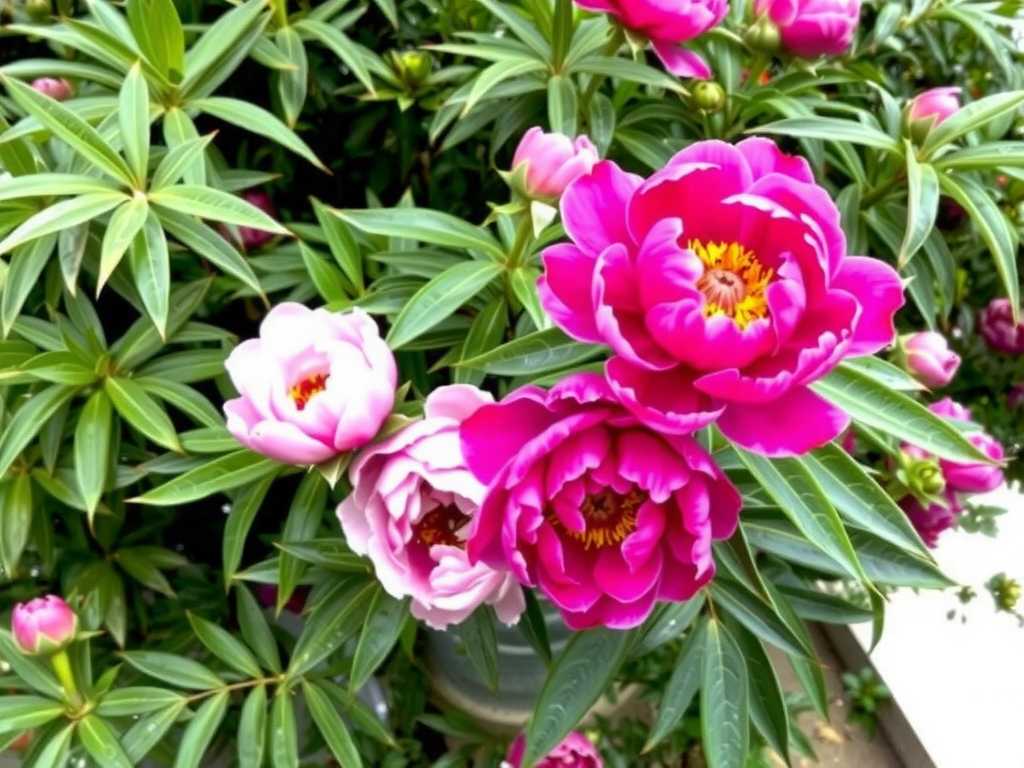
Before diving into care, it's crucial to identify which type you have. Herbaceous peonies die back to the ground each winter, with new shoots emerging from the roots in spring. Tree peonies are woody shrubs that maintain a permanent framework of stems year-round; they lose their leaves but the stems remain. Their care overlaps in some areas but diverges significantly in others, particularly in pruning and winter protection.
Planting for Success: The Most Critical Step
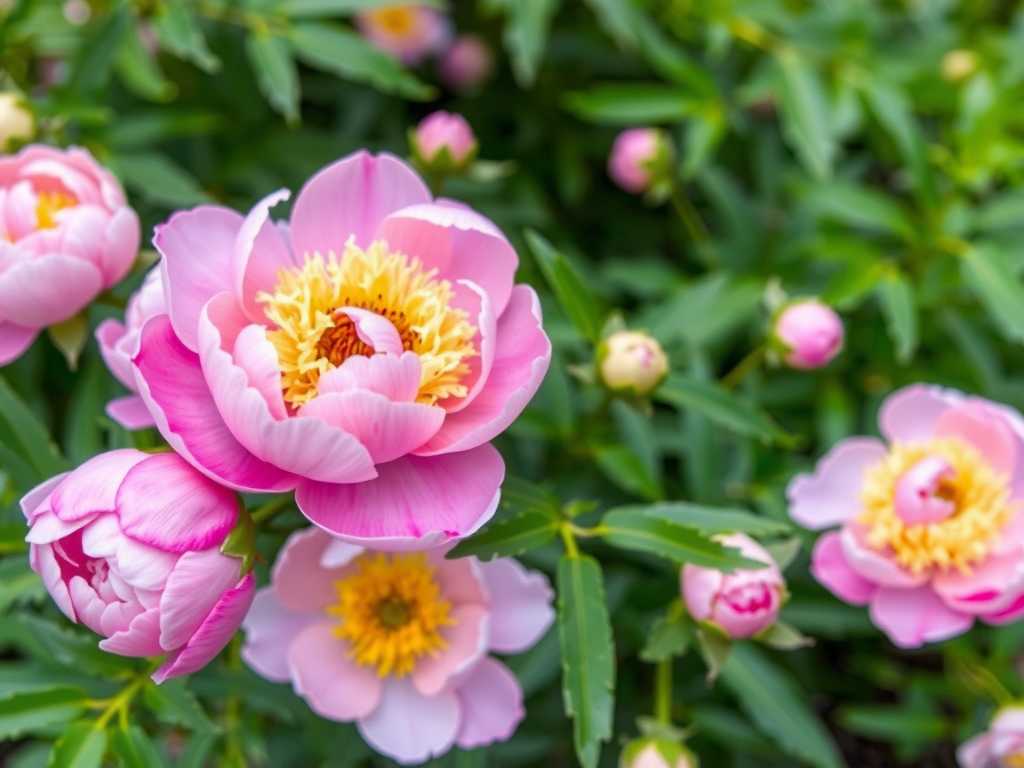
Experts from the American Peony Society consistently emphasize that proper planting sets the stage for a peony's entire life. Getting this right solves most future problems.
- Timing is Everything: The absolute best time to plant bare-root peonies is in the fall, ideally about 6 weeks before the ground freezes. This allows the plant to establish feeder roots without the stress of supporting top growth. Container-grown plants can be planted in spring or fall with extra care to ensure consistent moisture.
- The Sunlight Sweet Spot: Both herbaceous and tree peonies require a minimum of 6 hours of full sun daily for strong stems and optimal flowering. In very hot climates, afternoon shade can help protect flower color from fading.
- Soil and Drainage: Peonies thrive in well-draining, fertile soil with a neutral to slightly alkaline pH. They despise "wet feet." If your soil is heavy clay, amend it generously with compost and consider planting on a slight mound to improve drainage. A 2021 horticultural report noted that poor drainage is the leading cause of peony root rot and failure to thrive.
- Planting Depth – The Golden Rule: This is non-negotiable for herbaceous peonies. The eyes (pink or white buds on the root) must be planted no deeper than 2 inches below the soil surface. Planting too deep is the single most common reason a peony grows lush foliage but never flowers. For tree peonies, the graft union (the knobby base where the woody scion meets the herbaceous rootstock) should be buried 4-6 inches below the soil line to encourage the tree peony to develop its own roots.
Essential Ongoing Care and Maintenance
Once planted correctly, ongoing care is straightforward but vital.
- Watering Wisely: Peonies are drought-tolerant once established but need consistent moisture during their first growing season and during spring bud formation and flowering. Aim for about 1 inch of water per week. Water deeply at the soil level, avoiding overhead watering which can promote fungal diseases on the foliage.
- Feeding for Flowers: Peonies are not heavy feeders. A balanced, slow-release fertilizer or a side-dressing of compost applied in early spring as shoots emerge is usually sufficient. Avoid high-nitrogen fertilizers, which promote weak, leafy growth at the expense of blooms.
- Staking and Support: The massive blooms of many herbaceous peonies, especially double varieties, are often too heavy for their stems. Install grow-through peony rings or stakes early in the season to provide invisible support and prevent stems from flopping over after rain.
- The Art of Deadheading: After blooms fade, snip off the spent flower head just above the first set of full leaves. This prevents the plant from wasting energy on seed production. Do not cut back the foliage until it dies back naturally in the fall, as it is photosynthesizing and building energy for next year's blooms.
Pruning and Winter Care: Where Paths Diverge
This is the key area where care for herbaceous and tree peonies differs dramatically.
- Herbaceous Peony Pruning: In late fall, after a hard frost has blackened the foliage, cut all stems back to ground level. Remove and discard all debris from the area to minimize overwintering disease spores. A light layer of mulch can be applied after the ground freezes, but pull it back in early spring.
- Tree Peony Pruning: Prune tree peonies in late winter or early spring before new growth begins. Focus on removing only dead wood, any weak or spindly growth, and trimming for shape. Never cut them back to the ground. Their flower buds form on old wood, so excessive pruning will remove your spring display. Tree peonies benefit from a loose, airy mulch (like pine needles or bark) around their base to protect the graft zone in cold climates.
Troubleshooting Common Peony Problems
Even with great care, issues can arise. Here’s how to handle them.
- Why Won't My Peony Bloom? Revisit planting depth (too deep), insufficient sunlight (less than 6 hours), recent division/transplant shock, or an overly young plant. Herbaceous peonies can take 2-3 years to bloom after planting.
- Botrytis Blight: This fungal disease causes young shoots to wilt and turn black, and buds to rot. It thrives in cool, wet conditions. Promote good air circulation, avoid overhead watering, and clean up all foliage in fall. In severe cases, a fungicide may be needed in early spring.
- Ants on Buds: Ants are attracted to the sweet nectar on peony buds and are harmless. They do not cause the buds to open or bring disease. Simply shake them off before bringing cut flowers indoors.
Frequently Asked Questions
How long do peony plants live? With proper care, both herbaceous and tree peonies are incredibly long-lived perennials. It is not uncommon for them to thrive and bloom in the same spot for 50, 75, or even over 100 years, often outliving the gardener who planted them.
When is the best time to divide or move a peony? For herbaceous peonies, the only recommended time is in the fall, when the plant is dormant. Tree peonies are best left undisturbed, but if necessary, transplant them in the fall with a large, intact root ball.
Can I grow peonies in containers? While challenging due to their deep root systems and need for winter chill, it is possible with a large, deep container (at least 18 inches wide and deep). Use a well-draining potting mix, ensure excellent drainage, and provide winter protection for the pot in cold climates. Tree peonies are generally more suited to container culture than herbaceous types.
Mastering the care of peonies requires understanding their simple but specific needs: ample sun, perfect planting depth, well-drained soil, and appropriate seasonal cleanup. By differentiating between the needs of herbaceous and tree peonies, especially in pruning, you empower these magnificent plants to build strength and produce the legendary, lavish blooms they are renowned for. With patience and these key methods, your investment will reward you with decades of unparalleled beauty each spring.