bluename
 How to Care for Common Geranium Varieties? Simple Cultivation Tips
You brought home a beautiful geranium, its vibrant blooms promising a season of color. But now, the leaves are turning yellow, the flowers are sparse, and you're wondering what went wrong. You're not alone. Many gardeners struggle with keeping their geraniums thriving, often due to simple, fixable mistakes in watering, sunlight, or feeding. The good news? With a few fundamental cultivation tips, you can enjoy lush, flowering geraniums from spring straight through fall. This guide will walk you through the essential care steps for the most common geranium varieties, turning your concerns into confidence.
Understanding Your Geranium Type
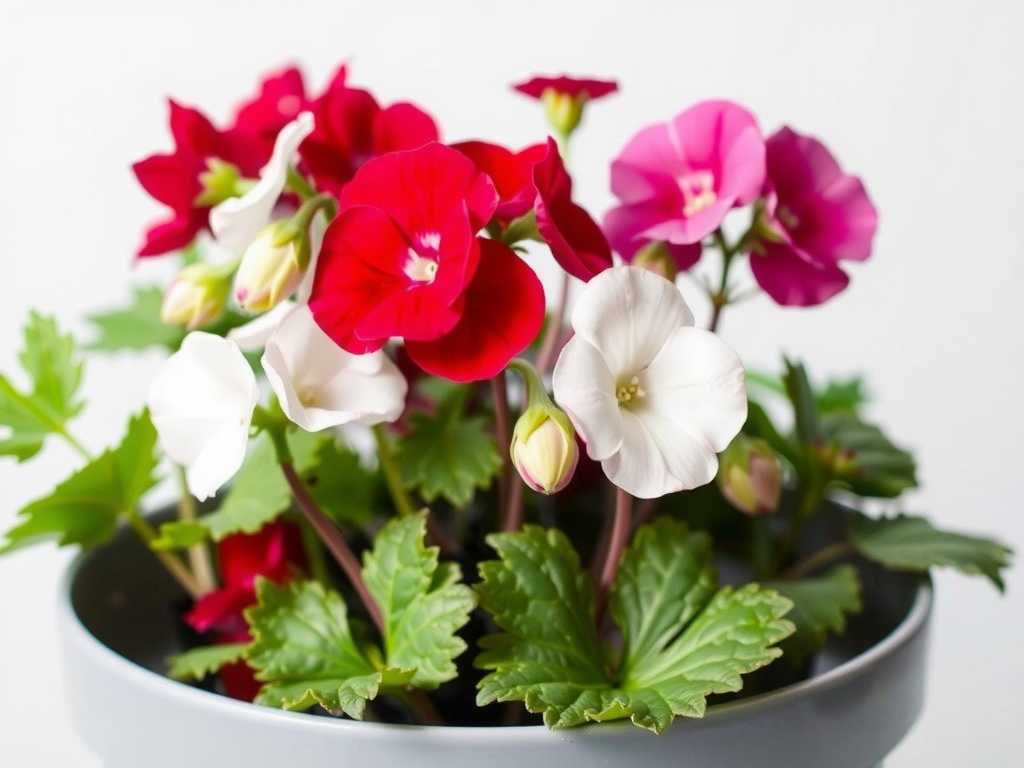
First, it's helpful to know that the plants most of us call "geraniums" are typically Pelargoniums. True geraniums (Geranium species) are hardy perennial plants, while the common bedding and pot varieties are tender perennials usually grown as annuals in colder climates. For this guide, we focus on the popular Pelargonium types.
The most common varieties include Zonal Geraniums, known for their rounded leaves often with a dark "zone," Ivy-Leaf Geraniums with trailing stems perfect for hanging baskets, Scented-Leaf Geraniums prized for their fragrant foliage, and Regal or Martha Washington Geraniums with their spectacular, larger blooms. While their care is broadly similar, slight adjustments can make a big difference.
The Foundation: Light and Location
Geraniums are sun worshippers. They need abundant light to produce their signature prolific blooms. Aim for at least 6-8 hours of direct sunlight daily. A south or west-facing location is ideal. Insufficient light is a primary reason for leggy growth, sparse leaves, and few flowers.
If you're growing indoors, place them in your sunniest window. Ivy geraniums can tolerate a bit more shade than zonal types but still perform best with plenty of light. According to the University of Minnesota Extension, adequate sunlight is crucial for preventing weak, elongated stems and ensuring vibrant flower color.
Watering Wisely: The Golden Rule
Overwatering is the fastest way to kill a geranium. These plants prefer to dry out slightly between waterings. The goal is "moist, not soggy." Stick your finger about an inch into the soil. If it feels dry, it's time to water. If it's still damp, wait another day.
Water thoroughly until you see it run out of the drainage holes, then allow the pot to drain completely. Never let your geranium sit in a saucer of water, as this leads to root rot. During hot, dry spells, you may need to water daily. In cooler, cloudy weather, watering once a week might suffice. Always water the soil, not the leaves, to prevent disease.
Soil and Potting for Success
Excellent drainage is non-negotiable. Use a high-quality, well-draining potting mix. Many gardeners swear by a mix formulated for containers, often containing peat, perlite, and vermiculite. You can improve standard potting soil by adding extra perlite or coarse sand.
Ensure your pot has ample drainage holes. A pot that is too large will hold excess moisture, so choose a container that is only 1-2 inches wider in diameter than the root ball. Repot geraniums annually in fresh soil if you are overwintering them, as the soil breaks down and loses its drainage capacity over time.
Feeding for Fabulous Flowers
Geraniums are moderate feeders. They benefit from regular fertilization to support continuous blooming. Use a balanced, water-soluble fertilizer (like a 20-20-20 formula) every two to four weeks during the active growing season (spring to early fall).
Alternatively, you can use a fertilizer with a slightly higher phosphorus content (the middle number, e.g., 15-30-15) to promote more prolific flowering. As noted by horticulturist Dr. Linda Chalker-Scott, avoiding high-nitrogen fertilizers is key, as they encourage lush foliage at the expense of blooms. Always follow label instructions and water the soil before applying fertilizer to prevent root burn.
Pruning and Deadheading for Continuous Blooms
To keep your plant bushy and blooming, pinch back the growing tips of young plants. This encourages side branching. The most critical task is deadheading—removing spent flower heads. This prevents the plant from putting energy into seed production and directs it toward creating new flower buds.
Simply snap or cut the old flower stalk back to the main stem. Regularly remove any yellow or dead leaves to keep the plant healthy and improve air circulation. In mid-summer, if your geranium looks leggy, don't be afraid to cut it back by up to one-third to rejuvenate growth.
Overwintering Your Plants
In frost-free climates, geraniums can grow year-round outdoors. In colder zones, you have options. You can bring potted plants indoors before the first frost and place them in a sunny, cool spot (around 50-60°F). Water sparingly over winter, just enough to prevent the stems from shriveling.
Another method is to take 4-6 inch stem cuttings in late summer, root them in water or soil, and grow them as small houseplants through the winter. You can also dig up garden plants, shake off the soil, and hang them bare-root in a cool, dark basement, checking monthly for excessive dryness.
Troubleshooting Common Problems
- Yellow Leaves: Usually caused by overwatering or poor drainage. Check your watering habits and soil. Lower leaves naturally yellow and drop as the plant grows; this is normal.
- No Flowers: The culprits are often too little sun, too much nitrogen fertilizer, or infrequent deadheading. Move to a sunnier spot and adjust your feeding routine.
- Leggy Growth: Insufficient light. Prune back the long stems and provide more direct sunlight.
- Edema or Leaf Spots: Often a sign of inconsistent watering or fungal issues. Water on a more regular schedule and avoid wetting the foliage.
Frequently Asked Questions
Why are the leaves on my geranium turning red? Red leaves, especially at the edges, are often a reaction to cool temperatures or mild stress. It can be a natural occurrence in spring and fall and is generally not a cause for concern. However, if combined with stunted growth, it could indicate a phosphorus deficiency in the soil.
Can I grow geraniums from the seeds I collected? Yes, but with a caveat. Many common geraniums are hybrids. Seeds collected from hybrid plants will not produce offspring identical to the parent plant. They may revert to different characteristics. For true-to-type plants, it's more reliable to propagate from stem cuttings or purchase seeds of specific cultivars.
How do I get my geranium to bloom again after bringing it indoors for winter? A winter indoors is a rest period. As daylight increases in late winter, move the plant to your brightest window, resume regular watering, and begin a bi-weekly fertilizing schedule with a balanced formula. Prune back any long, weak growth to encourage new, sturdy stems that will produce flower buds.
Geraniums reward consistent, simple care with months of reliable color. By mastering the balance of bright light, careful watering, well-draining soil, and regular feeding, you create the perfect environment for these classic plants to flourish. Whether in window boxes, containers, or garden beds, a healthy geranium is a cornerstone of a vibrant outdoor space. Start with these fundamentals, observe how your plants respond, and you'll develop the intuition for keeping them at their best season after season.