bluename
 How to Care for Jasmine Varieties? Quick Getting Started Tips
You've brought home a beautiful jasmine plant, lured by the promise of its intoxicating fragrance and delicate blooms. But now, the leaves are turning yellow, buds are dropping before they open, or worse—there's no scent at all. This frustration is common. Caring for jasmine varieties can seem tricky because each type has slightly different needs. The key isn't a single rigid rulebook, but understanding a flexible framework tailored to your specific plant. This guide will cut through the confusion, offering clear, actionable steps to help your jasmine not just survive, but thrive and fill your space with its legendary perfume.
Understanding Your Jasmine Variety
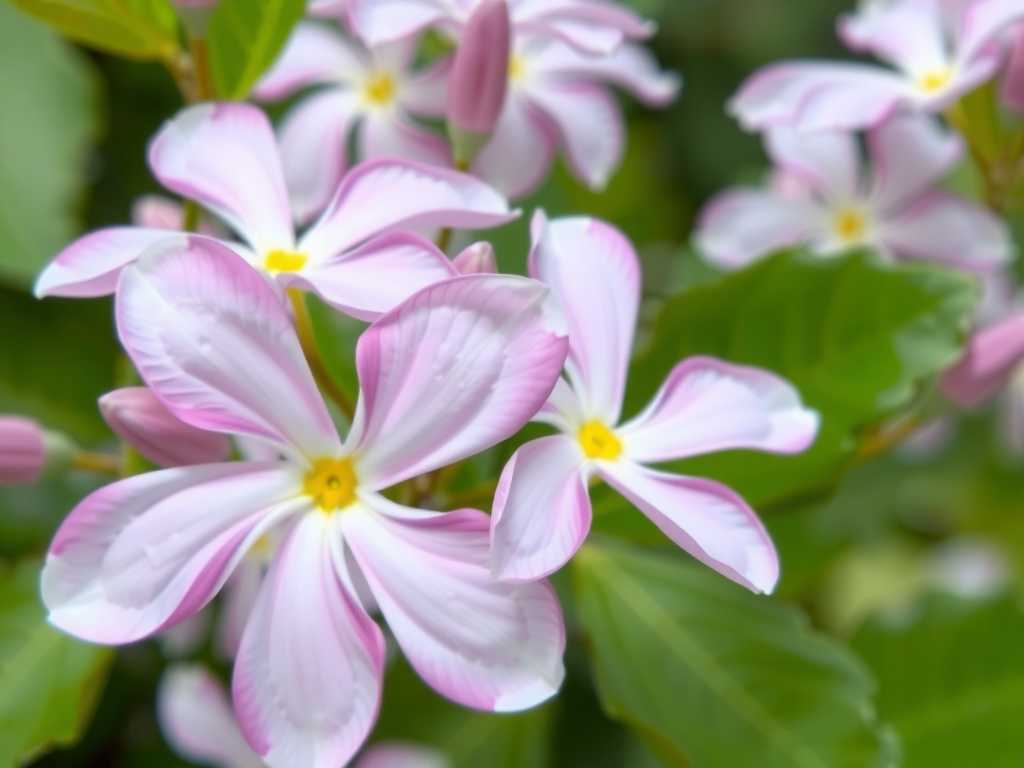
First, successful care starts with knowing what you're growing. The term "jasmine" covers a diverse group, and misidentifying your plant can lead to incorrect care.
Common Jasmine (Jasminum officinale): Often called Poet's Jasmine, this is the classic climbing vine known for its powerful sweet scent from white flowers that bloom from summer to early autumn. It's deciduous in cooler climates.
Winter Jasmine (Jasminum nudiflorum): This variety blooms in late winter with bright yellow flowers, but it is typically unscented. It's valued for its cheerful color during bleak months and is more cold-tolerant.
Arabian Jasmine (Jasminum sambac): Famous for its use in jasmine tea and leis, this plant produces highly fragrant, waxy white flowers that can bloom repeatedly in warm conditions. It's more tender and often grown as a houseplant in temperate zones.
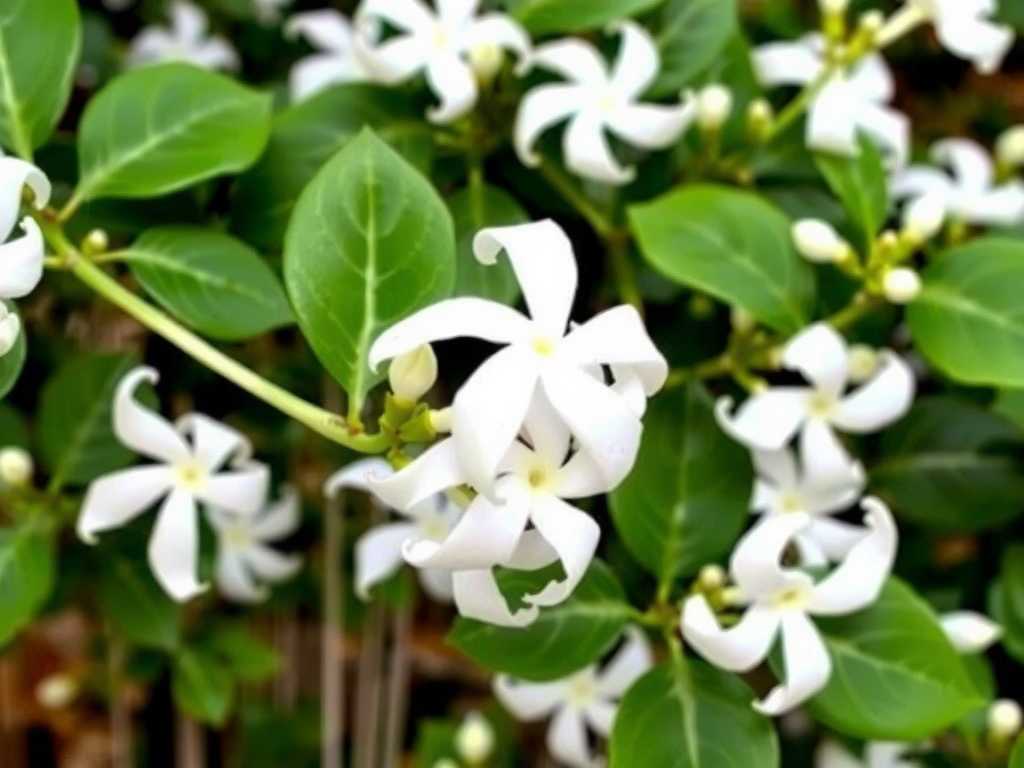
Star Jasmine (Trachelospermum jasminoides): Technically not a true jasmine, but its clusters of star-shaped, fragrant white flowers and similar name cause confusion. It's an excellent evergreen climber or ground cover.
Check plant tags or use a reliable plant ID app. As master horticulturist Dr. Linda Chalker-Scott notes, "Accurate identification is the first step in evidence-based gardening. It prevents you from applying generic advice that may harm a specific plant's needs."
The Essential Pillars of Jasmine Care
Light: The Sunshine Requirement
Most jasmine varieties crave bright light to flower profusely. Aim for at least 4-6 hours of direct sunlight daily. A south or west-facing window is ideal for indoor plants. Arabian Jasmine and Common Jasmine, in particular, need this abundance of light to develop their signature fragrance. Insufficient light is a primary reason for lush green growth but no blooms. If growing indoors, consider supplementing with a grow light during darker months.
Watering: Finding the Balance
Overwatering is a silent killer, while underwatering stresses the plant. The goal is consistently moist, but never soggy, soil.
- Check the top inch of soil: Water thoroughly when it feels dry to the touch.
- Ensure excellent drainage: Your pot must have drainage holes. Soggy roots lead to root rot, indicated by yellowing leaves.
- Reduce frequency in winter: When growth slows, allow the soil to dry out a bit more between waterings. A simple moisture meter can take the guesswork out of your watering schedule for jasmine plants.
Soil and Feeding: The Foundation of Health
Jasmine prefers a well-draining, slightly acidic to neutral potting mix. A blend of standard potting soil with added perlite or orchid bark improves aeration. Feeding is crucial for flowering. Use a balanced, water-soluble fertilizer (like a 10-10-10 or 7-9-5 formula) every 4-6 weeks during the active growing season (spring and summer). A fertilizer higher in phosphorus (the middle number) can promote better blooming. Stop fertilizing in late fall and winter when the plant is resting.
Temperature and Humidity: Mimicking the Native Climate
Many jasmines originate from tropical or subtropical regions. They enjoy warm temperatures (60-75°F or 15-24°C is ideal) and appreciate moderate to high humidity.
- Indoor care: Avoid placing plants near cold drafts or heating vents. Boost humidity by using a pebble tray filled with water beneath the pot or by grouping plants together. Misting can help temporarily but isn't a long-term solution.
- Outdoor care: Protect true jasmines (like Jasminum officinale) from hard frosts. They may need to be brought indoors or provided with protection in colder zones.
Pruning and Training: For Shape and More Blooms
Regular pruning keeps your jasmine manageable and encourages new growth, which is where flowers form.
- The best time to prune is just after the main flowering flush has finished.
- Remove dead, diseased, or weak stems first.
- Trim back long, leggy vines to a healthy bud or side shoot. Don't be afraid to cut back by one-third to maintain a compact shape.
- For climbers like Common Jasmine or Star Jasmine, provide a trellis, wire, or other support and gently tie stems to guide their growth.
Troubleshooting Common Problems
Yellow Leaves: Often a sign of overwatering or poor drainage. Check soil moisture and pot drainage. Can also indicate a nutrient deficiency (try feeding) or, in winter, normal leaf drop for deciduous types.
No Flowers: The most common complaint. Causes include insufficient light, too much nitrogen fertilizer (promoting leaves over blooms), lack of pruning, or a plant that is still too young. Review light conditions and feeding regimen first.
Pests: Keep an eye out for aphids, spider mites, and mealybugs, especially indoors. Wipe leaves with a damp cloth regularly and treat infestations early with insecticidal soap or neem oil.
Why are the buds on my jasmine falling off before opening? Bud drop is usually caused by environmental stress. Sudden changes in temperature, underwatering, overwatering, or very low humidity can trigger it. Try to keep conditions as consistent as possible, especially when the plant is budding, and ensure you're watering appropriately—not too much, not too little.
Can I grow jasmine indoors year-round? Yes, many varieties like Arabian Jasmine (Jasminum sambac) adapt well to indoor life if their core needs are met. The biggest challenges indoors are providing enough light (a south-facing window is crucial) and sufficient humidity. With the right spot, you can enjoy blooms and fragrance inside.
How often should I repot my jasmine plant? Repot every 2-3 years in spring, or when you see roots growing out of the drainage holes. Move to a pot only one size larger (1-2 inches bigger in diameter). Using too large a pot holds excess moisture, risking root rot. Refresh the soil during repotting to replenish nutrients.
Caring for jasmine is a rewarding practice that deepens your connection to gardening. By focusing on the fundamentals of light, water, and soil tailored to your specific variety, you create the foundation for success. Observe your plant closely—it will often tell you what it needs. With a little attention to these details, you’ll be well on your way to enjoying not just a healthy plant, but the unforgettable, sweet fragrance that makes jasmine so cherished in gardens and homes around the world.