bluename
 How to Care for Popular Hyacinth Varieties? Core Care Methods Explained
You've just brought home a pot of vibrant hyacinths, their intoxicating fragrance filling the room. But within days, you notice the stems flopping over, the leaves turning yellow, or the blooms fading too fast. This common frustration stems from not understanding the specific needs of these popular spring bulbs. Whether you have the classic 'Blue Jacket', the soft pink 'Anna Marie', or the striking 'Woodstock', proper care is the key to vibrant, long-lasting displays. This guide will walk you through the essential, core care methods to keep your hyacinths thriving, both indoors and out.
Understanding Your Hyacinth's Life Cycle
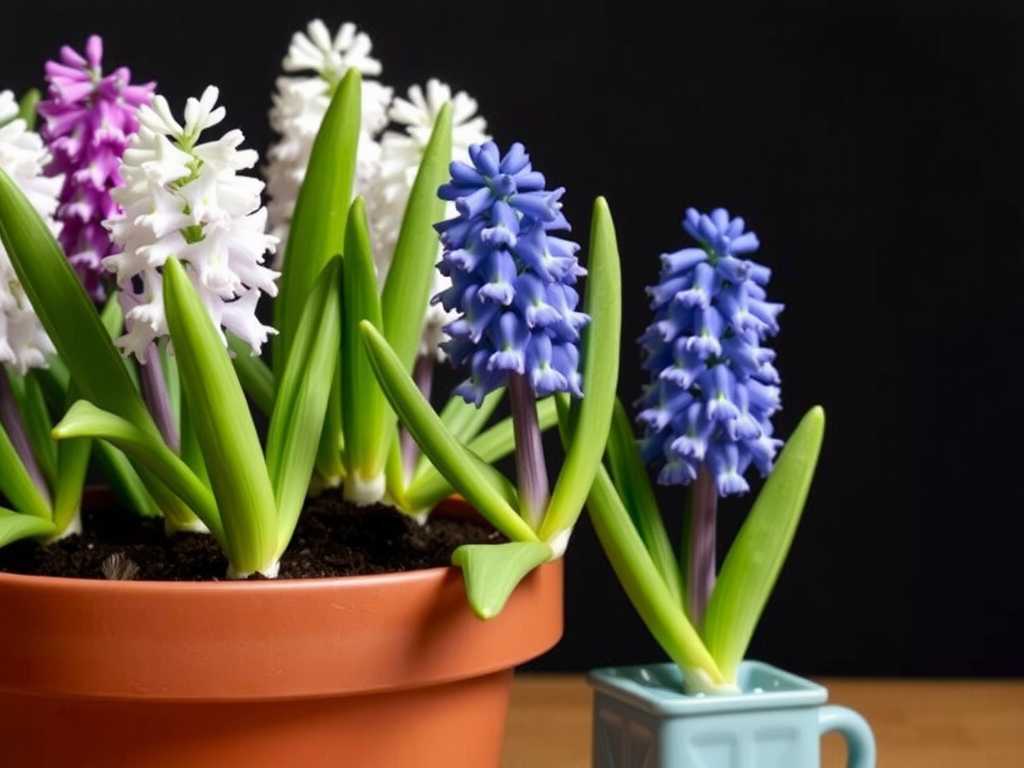
To care for hyacinths effectively, think like a gardener who understands their natural rhythm. Hyacinths are perennial bulbs, meaning they have a cycle of growth, bloom, dormancy, and regrowth. Forcing, the process used to make them bloom indoors in winter, is energetically taxing for the bulb. Post-bloom care is crucial for determining if they will flower again next year.
The Royal Horticultural Society notes that with proper aftercare, garden-planted hyacinths can reliably rebloom for several seasons, though the flower spikes may be looser and more natural in form than the first, tightly-packed display.
Essential Core Care Methods for All Hyacinths
Planting and Initial Setup
The foundation of healthy hyacinths starts at planting. For outdoor garden varieties, plant bulbs in the autumn, about 4 inches deep and 3 inches apart in well-draining soil. Choose a spot with full sun to light shade. For potted or forced hyacinths indoors, ensure the container has drainage holes. The bulb's "nose" should be just above or level with the soil surface. A good initial watering settles the soil around the roots.
Mastering the Watering Balance
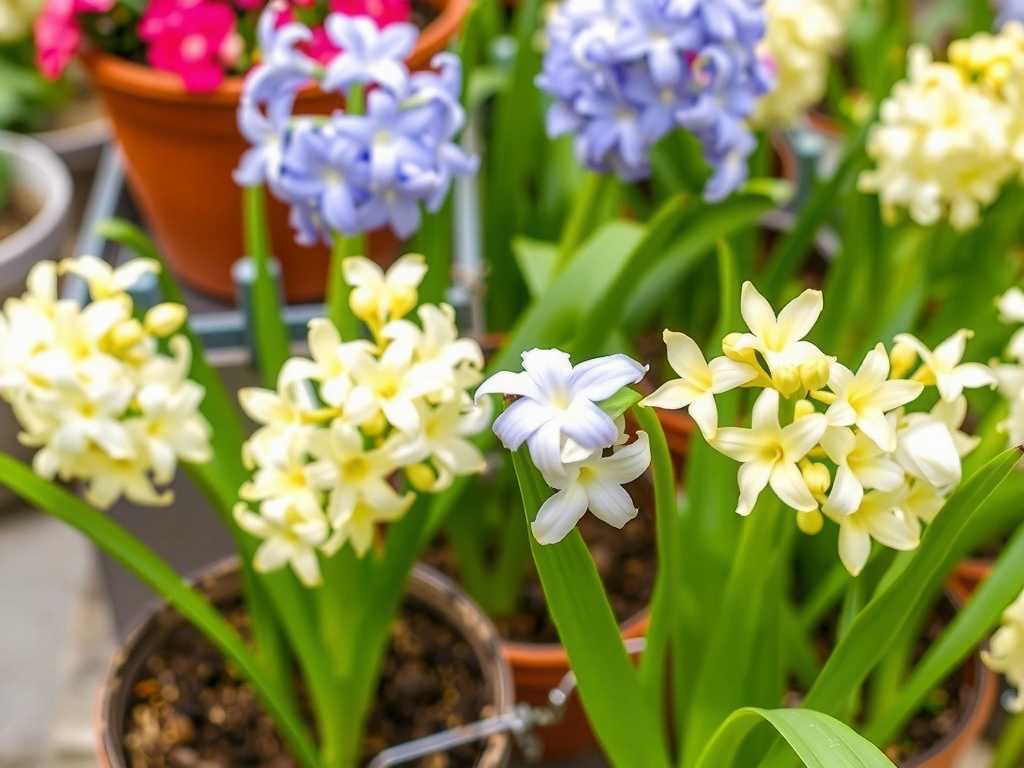
Overwatering is the fastest way to kill a hyacinth bulb, leading to rot. Underwatering causes stress and drooping. The goal is consistently moist but never soggy soil. Check potted plants by feeling the top inch of soil; water thoroughly when it feels dry. Allow excess water to drain away completely—never let the pot sit in a saucer of water. Outdoor hyacinths typically need less frequent watering, relying on rainfall, except during prolonged dry spells in spring.
Providing the Right Light and Temperature
Hyacinths crave bright, indirect light. A south or west-facing window is ideal for indoor plants. Too little light causes weak, leggy stems that flop over. Too much direct, hot sun can scorch the leaves and fade the flowers. These bulbs prefer cooler temperatures, especially during their bloom period. Ideal temperatures are between 60-65°F (15-18°F). Warmer rooms will cause the flowers to fade more quickly. Rotate pots regularly for even growth.
Feeding for Future Blooms
While the bulb contains all the energy needed for its first forced bloom, feeding supports future growth. Once the flowers begin to fade, you can start a mild feeding regimen. Use a balanced, water-soluble fertilizer diluted to half strength every two weeks. This helps replenish the bulb's energy stores as the leaves continue to photosynthesize. Stop feeding once the leaves begin to yellow and die back naturally.
Post-Bloom Care: The Key to Reblooming
This is the most critical yet often overlooked phase. Do not cut off the green foliage after the flowers die. The leaves are solar panels, gathering energy to recharge the bulb for next year. Continue to water and provide light. Once the leaves have completely yellowed and withered, you can gently remove them.
For forced indoor hyacinths, you can attempt to transplant the bulb outdoors in the garden after the last frost. Plant it and let it go through its natural cycle. It may take a year or two to gather enough strength to bloom again, but it's a rewarding project.
Special Considerations for Popular Varieties
Caring for 'Dutch Hyacinth' Varieties (like 'Blue Jacket', 'Pink Pearl')
These are the classic, large-flowered hyacinths often forced for indoor winter color. Their dense flower spikes can become top-heavy. Provide support with a slim stake if needed. They benefit greatly from being placed in a cool location at night to prolong bloom time.
Caring for 'Multiflora' or 'Roman Hyacinth' Variées
Varieties like 'Roman Hyacinth' produce several looser flower spikes per bulb. They generally have a slightly more delicate appearance and a lighter fragrance. Their care is similar, but they may require less staking due to their lighter flower heads. They are excellent for naturalizing in grassy areas.
Caring for Unusual Colored Varieties (like 'Midnight Mystic', 'Woodstock')
Deeply colored hyacinths like the near-black 'Midnight Mystic' or deep plum 'Woodstock' have the same core needs. Be mindful that darker flowers can absorb more heat from the sun. In very hot climates, providing afternoon shade can prevent the blooms from "cooking" and fading prematurely.
Troubleshooting Common Hyacinth Problems
Floppy Stems or Leaves
This is almost always caused by insufficient light or excessive warmth. Move the plant to a brighter, cooler location immediately. You can stake the stem gently for support.
Yellowing Leaves Prematurely
If leaves yellow while the plant is still in bloom, check for overwatering. Soggy soil suffocates roots. Allow the soil to dry out more between waterings. Ensure the pot drains freely.
No Fragrance or Flowers Fading Too Fast
High temperatures are the usual culprit. Relocate the plant away from heat vents, radiators, or direct afternoon sun. Cooler ambient temperatures significantly extend bloom life and scent potency.
Bulb or Root Rot
Caused by chronic overwatering or poor drainage. The bulb may feel soft, and soil may have a musty smell. It's often fatal. Prevention through proper watering and well-draining soil is the only reliable cure.
Why are my hyacinth's leaves turning yellow after blooming? This is a completely normal part of the plant's life cycle. After flowering, the hyacinth directs energy back into the bulb. The leaves yellow and die back as the plant enters dormancy. Do not remove them until they are completely brown and withered.
Can I plant my potted hyacinth outside after it finishes flowering? Yes, you can. After the foliage has died back, you can plant the bulb in your garden in a sunny spot with good drainage. Plant it at a depth about three times the height of the bulb. It may not bloom the following spring, as it needs to recover energy, but it will often rebloom in subsequent years.
How do I get my hyacinth to bloom again next year? For garden hyacinths, allow the foliage to die back naturally and apply a bulb fertilizer in the autumn. For forced indoor bulbs, the process is more challenging. After foliage dies, store the bulb in a cool, dark place over summer, then plant it outdoors in autumn or attempt to re-chill and force it again, though results are less predictable.
Caring for hyacinths is a rewarding practice that bridges indoor winter joy and outdoor spring beauty. By focusing on the core principles of balanced watering, ample cool light, and diligent post-bloom care, you support the entire life cycle of the plant. Whether you treat them as a magnificent annual display or nurture them into returning perennials, understanding these methods ensures you get the most from their spectacular color and unforgettable fragrance season after season.