bluename
 How to Care for Different Cyclamen Varieties? Cultivation Tips for Beginners
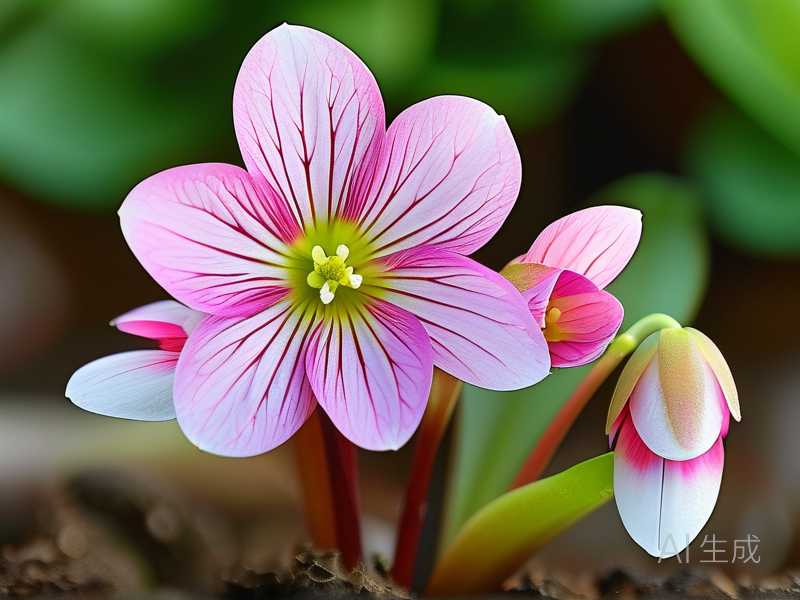
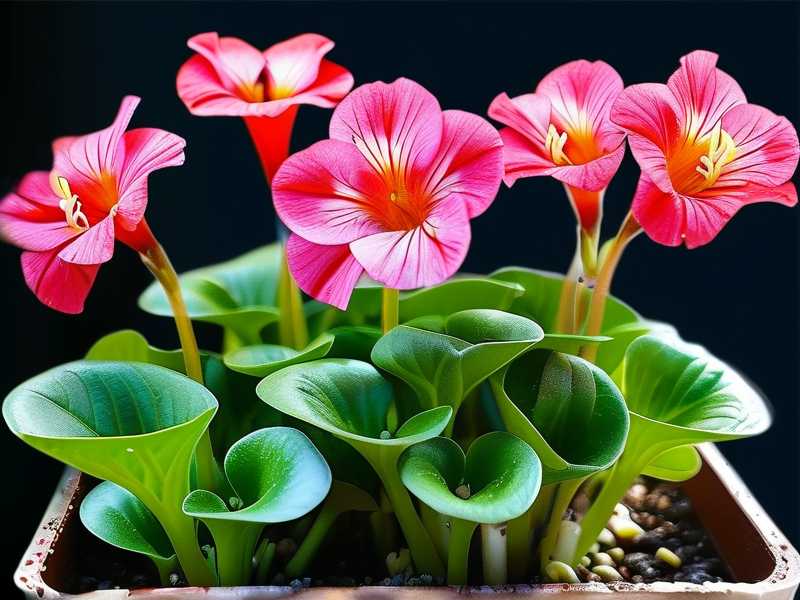
You've just brought home a beautiful cyclamen, its butterfly-like flowers dancing above heart-shaped leaves. But within weeks, the blooms start to droop, leaves turn yellow, and your excitement withers alongside the plant. This frustrating scenario is all too common for beginners. The secret to success lies in understanding that not all cyclamens are the same. Different varieties have subtly different needs, and mastering these distinctions is the key to long-lasting, vibrant blooms.
This guide will walk you through the essential cultivation tips for the most popular cyclamen varieties, transforming you from a perplexed novice into a confident caretaker.
Understanding the Main Cyclamen Varieties
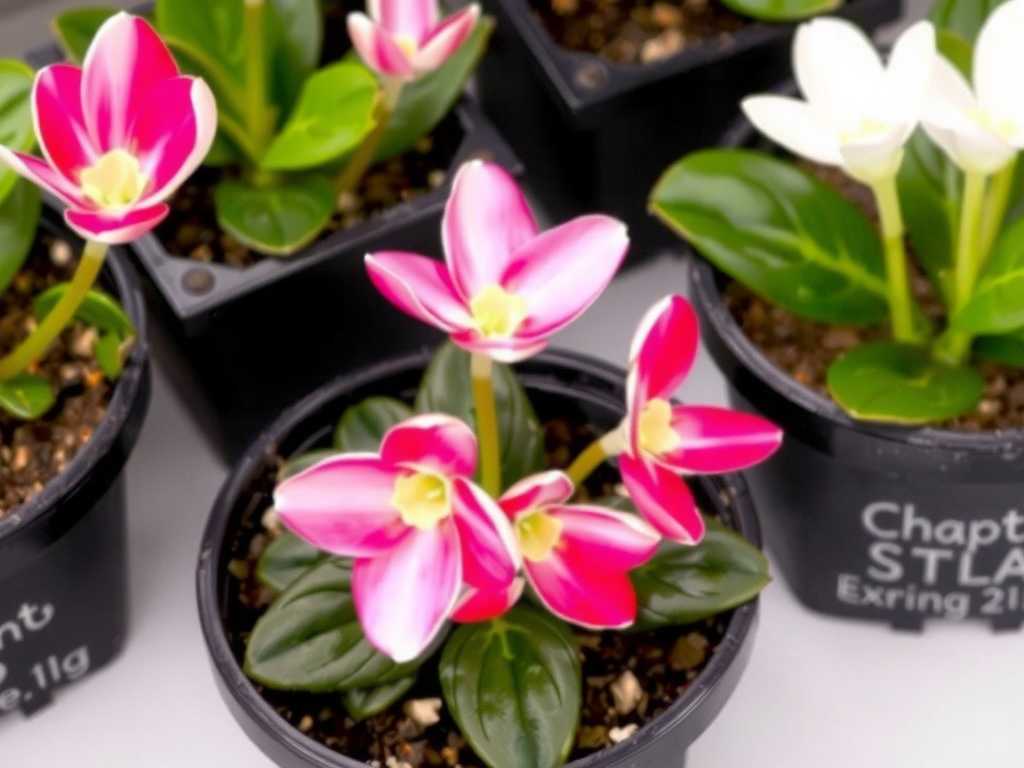
Before diving into care, it's crucial to know what you're growing. The two primary types you'll encounter are Florist's Cyclamen (Cyclamen persicum) and Hardy Outdoor Species.
Florist's Cyclamen (Cyclamen persicum) are the classic, large-flowered plants sold in pots at garden centers and grocery stores. They are bred for spectacular indoor display but are not frost-tolerant. Within this category, you'll find standard, intermediate, and miniature sizes, each with slightly different vigor.
Hardy Species Cyclamen, such as Cyclamen hederifolium (ivy-leaved) and Cyclamen coum, are smaller, tougher plants meant for outdoor planting in woodland gardens. They naturalize over time and can tolerate light frosts. Their care differs significantly from their indoor cousins.
The Universal Foundations of Cyclamen Care
Regardless of variety, all cyclamens share some core requirements that are often the source of beginner mistakes.
Light is a critical factor. Cyclamens thrive in bright, indirect light. A north or east-facing windowsill is ideal. Direct afternoon sun, especially through glass, can scorch the delicate leaves and flowers. For hardy varieties planted outdoors, dappled shade under deciduous trees is perfect, mimicking their natural woodland habitat.
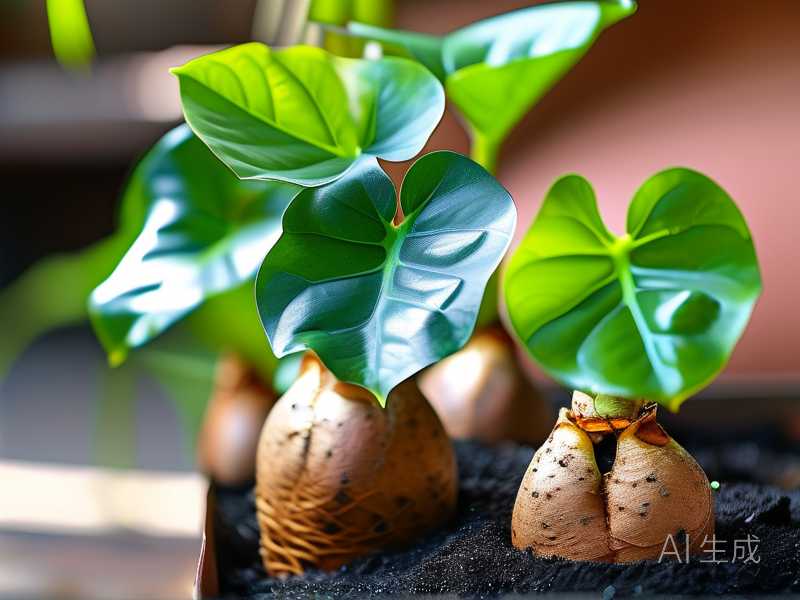
Watering is the make-or-break skill. The golden rule is to water from the bottom. Place the pot in a saucer of water for 15-20 minutes, allowing the soil to soak up moisture through the drainage holes. Then, discard any excess water. This keeps the tuber—the swollen stem base—dry and prevents rot. Allow the soil surface to feel dry to the touch between waterings. As horticulturist Dr. Linda Chalker-Scott notes, "Cyclamen tuber rot is almost always a function of improper watering technique, not a disease pathogen."
Temperature dictates the plant's life cycle. Cyclamens prefer cool conditions, ideally between 60-68°F (15-20°F) during the day and slightly cooler at night. High temperatures above 70°F (21°C) signal the plant to go dormant. Keep them away from heat vents, radiators, and fireplaces.
Humidity is appreciated but not if it means wet foliage. In very dry indoor air, place the pot on a pebble tray filled with water, ensuring the pot sits above the water line. Avoid misting the leaves and flowers directly.
Variety-Specific Cultivation Tips
Now, let's tailor the care to the specific type you have.
Caring for Florist's Cyclamen (Cyclamen persicum)
These are your long-blooming indoor companions. Their showy flowers can last for months with proper care.
Potting and Soil: Use a well-draining, peat-based potting mix. A commercial African violet mix works exceptionally well. Ensure the pot has excellent drainage. When repotting—which is best done when new growth emerges at the end of dormancy—plant the tuber with its top half above the soil line. Burying it completely invites rot.
Feeding for Flowers: During active growth and blooming, feed every 3-4 weeks with a half-strength, water-soluble fertilizer high in potassium (like a tomato feed). This supports strong flower production. Stop feeding once flowering slows and the plant begins its decline toward dormancy.
Managing the Dormant Period: This is where many beginners think they've killed their plant. After flowering, leaves will yellow. Gradually reduce watering. Once all leaves have died back, place the pot in a cool, dark, dry place (like a basement) for 2-3 months. Give it just a tablespoon or two of water monthly to prevent the tuber from desiccating completely. When you see tiny new leaves emerging, bring it back into bright light and resume regular care.
Caring for Hardy Species Cyclamen (C. hederifolium, C. coum)
These are planted outdoors and follow the natural seasons.
Planting for Success: Plant hardy cyclamen tubers in late summer or early autumn. Choose a site with well-draining soil enriched with leaf mold or compost. Plant them about 1 inch (2.5 cm) deep and 3-4 inches apart. The top of the tuber should be just below the soil surface. Cyclamen hederifolium is particularly tolerant of drier summer conditions once established.
Seasonal Care Cycle: Their growth cycle is opposite to most garden plants. They flower in autumn (C. hederifolium) or late winter/early spring (C. coum), produce leaves during the cooler months, and go dormant in summer when their foliage dies back. During dormancy, they prefer to be on the dry side. Do not dig them up; they are resting and will return.
Naturalizing and Longevity: Once happy, these cyclamens will self-seed, forming charming colonies over the years. Ants often disperse the seeds, a fascinating symbiotic relationship. They require minimal care beyond ensuring the area doesn't become waterlogged in summer or overly crowded by other plants.
Troubleshooting Common Problems
Yellowing Leaves: This is most often caused by overwatering, underwatering, or high temperatures. Check your watering technique and the plant's location. For hardy types, summer yellowing is a normal part of dormancy.
Lack of Flowers: Usually due to insufficient light, excessive heat, or a lack of a proper dormant period. An indoor cyclamen needs that cool rest to recharge for the next bloom cycle. Also, ensure you are feeding it appropriately during growth periods.
Gray Mold (Botrytis): Appears as fuzzy gray mold on flowers or leaves. It's fostered by cool, wet conditions with poor air circulation. Remove affected parts immediately, improve air flow, and avoid getting water on the foliage.
Tuber Rot: A fatal condition caused by the tuber sitting in soggy soil. Prevention through perfect watering technique is the only cure.
Frequently Asked Questions
Why are the stems of my cyclamen getting long and floppy? This is typically caused by insufficient light or temperatures that are too warm. The plant is stretching to find better conditions. Move it to a brighter, cooler location. For some hardy varieties, slightly elongated stems are normal.
Can I grow a florist's cyclamen outdoors? You can during the cooler months in frost-free climates, treating it as an annual. However, it is not truly hardy and will not survive freezing temperatures or a hot summer. It is best considered a permanent indoor plant.
My cyclamen has finished flowering and the leaves are dying. Is it dead? Not at all! It is most likely entering its natural dormant period. Follow the dormancy care instructions: reduce water, place in a cool spot, and wait patiently for signs of new growth in a few months. This cycle is essential for its long-term health.
Embracing the unique rhythms of your cyclamen is the true art of its care. Whether it's the florist's variety offering months of indoor color or the hardy species bringing unexpected autumn or winter beauty to your garden, success comes from observing and responding to its needs. Start with the foundational pillars of cool temperatures, bright indirect light, and careful bottom-watering. Then, apply the specific guidance for your plant's type, respecting its natural cycle of growth, bloom, and rest. With this knowledge, the initial disappointment of a declining plant transforms into the confident anticipation of its inevitable and glorious return. Your reward will be seasons of elegant, upswept flowers that defy the gloomier months of the year.