bluename
 How to Care for Floribunda and Climbing Roses: Core Cultivation Methods
Nothing compares to the breathtaking beauty of roses blooming in your garden, yet many gardeners struggle to maintain their vibrant health and prolific flowers. Whether you're nurturing compact floribundas or training majestic climbing varieties, understanding their distinct needs transforms gardening from frustrating to fulfilling. These popular rose types demand specific approaches to reveal their full potential.
Essential Growing Conditions
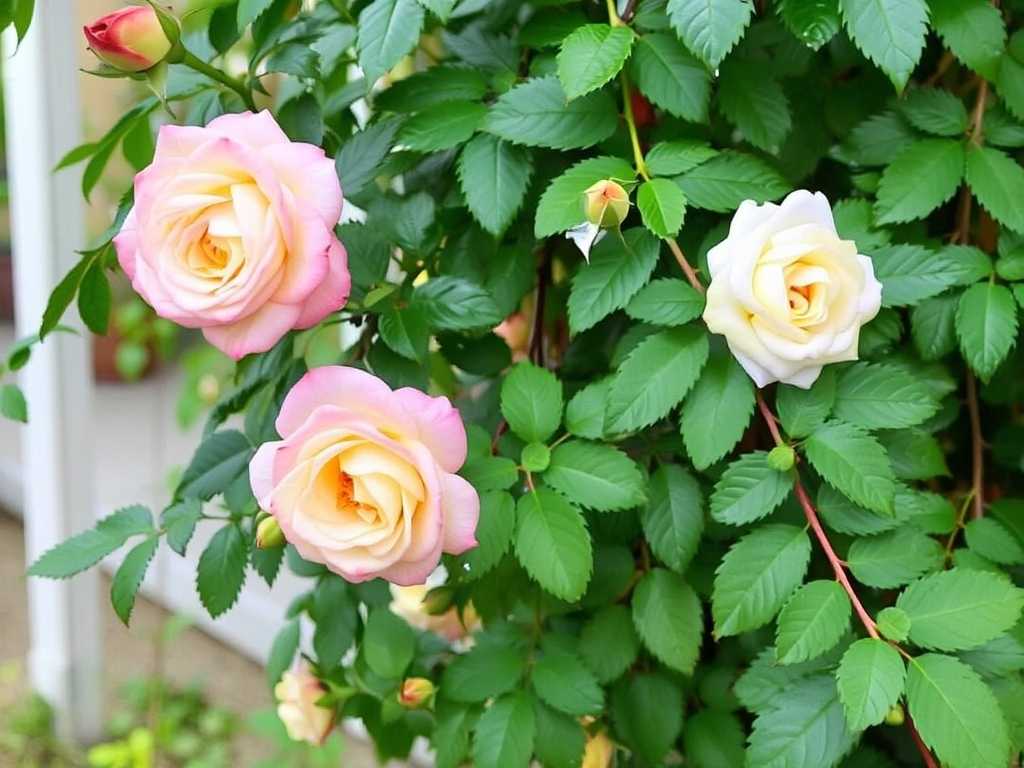
Sunlight forms the foundation of successful rose cultivation. Both varieties require 6-8 hours of direct daily sunlight, though floribundas demonstrate slightly more tolerance to partial shade. Morning sun proves particularly valuable as it quickly dries dew from leaves, preventing fungal diseases.
Soil preparation separates mediocre roses from spectacular ones. These plants thrive in well-draining soil rich in organic matter with a pH between 6.0-6.5. Before planting, amend your soil with 2-4 inches of compost or well-rotted manure, working it 12-18 inches deep. The American Rose Society recommends this depth for optimal root development.
Air circulation remains crucial for preventing common rose ailments. Space floribunda roses 2-3 feet apart, while climbing varieties need 4-6 feet between plants. Proper spacing allows air to move freely through foliage, reducing humidity that encourages black spot and powdery mildew.
Planting Techniques
Spring planting after the last frost gives roses time to establish before winter. For container-grown roses, dig holes twice as wide and equally deep as the root ball. Bare-root roses require holes wide enough to spread roots naturally without bending. Create a small mound in the planting hole's center to support the root structure.
Position the rose so the graft union sits 1-2 inches below soil level in colder regions, at soil level in warmer climates. Backfill with amended soil, water thoroughly, and apply 2-3 inches of organic mulch around the plant's base, keeping it several inches from the main stem.
Watering Strategies
Consistent moisture determines rose health more than any other factor except sunlight. Provide 1-2 inches of water weekly through rainfall or irrigation, focusing hydration at the root zone rather than wetting foliage. Drip irrigation or soaker hoses deliver ideal moisture distribution while keeping leaves dry.
Water deeply early in the morning, allowing leaves to dry completely before evening. Deep watering encourages profound root growth, making plants more drought-resistant. During extreme heat, increase watering frequency while maintaining the same total volume.
Nutrition and Fertilization
Roses flourish with balanced nutrition. Apply a complete rose fertilizer (such as 10-10-10 or specialized rose formulas) as new growth emerges in spring, repeating every 4-6 weeks until late summer. Cease fertilization 6-8 weeks before your first expected frost to prevent tender growth from winter damage.
Organic alternatives like alfalfa meal, fish emulsion, or compost tea provide excellent nutrition while improving soil structure. Professional rosarian Paul Zimmerman emphasizes that "consistent feeding throughout the growing season matters more than the specific fertilizer type."
Pruning Methods by Variety
Floribunda roses benefit from moderate pruning in early spring as buds swell. Remove dead, damaged, or crossing branches first, then reduce remaining canes by one-third to one-half, cutting to outward-facing buds. This encourages the abundant flowering clusters that define floribundas.
Climbing roses follow different rules. They bloom on second-year wood, so avoid heavy spring pruning that removes flowering potential. Instead, focus on removing winter-damaged canes and shaping the plant after its first spring bloom. Train main canes horizontally along supports to stimulate more flowering side shoots.
Winter Protection
In regions experiencing freezing temperatures, protect roses after several hard frosts. Mound 10-12 inches of soil around floribunda bases, adding mulch after the ground freezes. For climbing roses, detach canes from supports, lay them on the ground, and cover with soil or mulch. In extremely cold areas, use rose cones or burlap wraps for additional insulation.
Pest and Disease Management
Aphids, spider mites, and Japanese beetles commonly target roses. Regular inspection helps catch infestations early. Spray strong water jets to dislodge aphids, hand-pick beetles, or use horticultural oil for severe cases.
Fungal diseases prove more challenging. Prevent black spot and powdery mildew by choosing resistant varieties, watering at ground level, and ensuring good air circulation. For existing infections, apply fungicides containing chlorothalonil or neem oil, following label instructions precisely.
Training Climbing Roses
Proper training separates ordinary climbing roses from spectacular displays. Secure main canes to supports at 45-degree angles rather than vertically. This positioning stimulates lateral growth where most flowers form. Use soft ties that won't damage growing canes, checking periodically as the plant expands.
For recurrent-blooming climbers, prune side shoots after flowering to 3-4 inches, encouraging new blooming wood. Once-blooming varieties should be pruned immediately after their spring display, as they form flower buds on older wood.
Encouraging Continuous Blooms
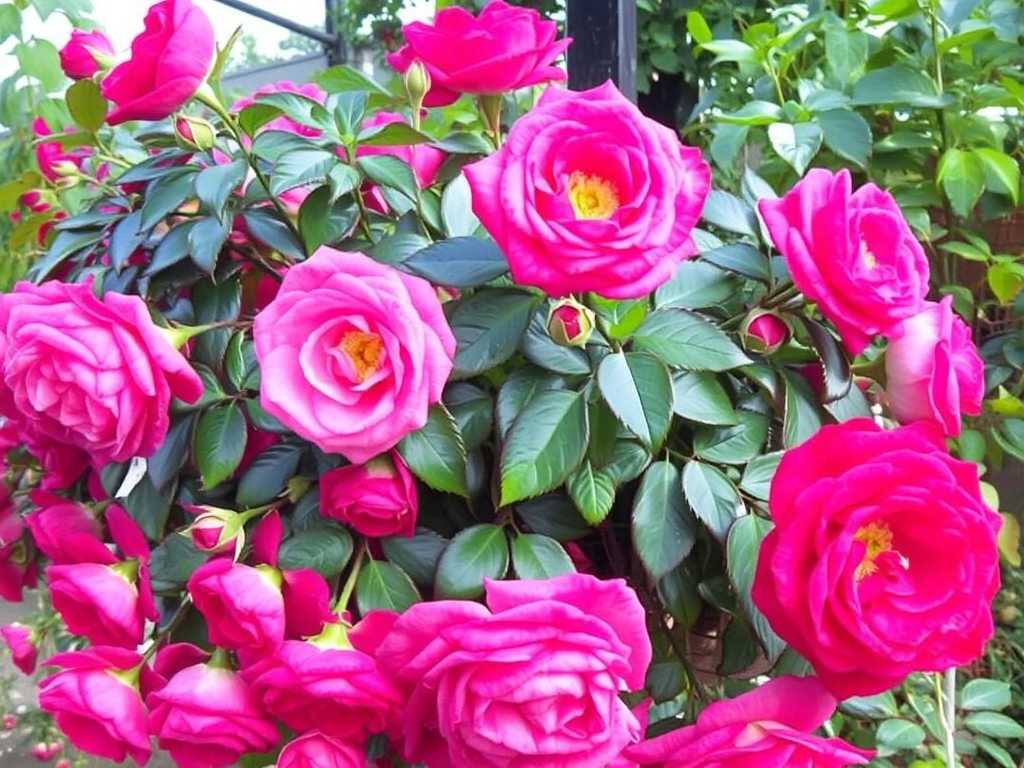
Deadheading extends the blooming season for both rose types. For floribundas, remove entire flower clusters as they fade, cutting back to the first five-leaflet leaf. With climbing roses, deadhead individual flowers within clusters, preserving developing buds.
What's the difference between floribunda and hybrid tea roses? Floribundas produce abundant clusters of flowers continuously throughout the season, while hybrid teas typically bear one perfect bloom per stem with more spacing between flowering cycles. Floribundas generally offer better disease resistance and require less meticulous care than hybrid teas.
Why won't my climbing rose bloom? The most common causes include improper pruning (removing second-year wood that would have flowered), insufficient sunlight, or over-fertilization with high-nitrogen formulas that promote leafy growth instead of flowers. Climbing roses also may take 2-3 years to establish before blooming heavily.
When should I transplant established roses? The ideal time is late winter or early spring while plants are still dormant, just as buds begin to swell. Prepare the new location thoroughly beforehand, then prune the rose back by about one-third before digging as much of the root system as possible. Keep the transplanted rose well-watered through its first season in the new location.
Mastering rose care brings incomparable rewards through seasons of magnificent blooms. While floribundas and climbing roses have distinct requirements, both respond wonderfully to consistent care tailored to their specific needs. The essential elements—proper planting, strategic pruning, regular feeding, and vigilant pest control—combine to create healthy plants that transform your garden into a floral showcase year after year.