bluename
 How to Care for Haworthia and Haworthia Cooperi: Complete Succulent Cultivation Guide
Have you ever brought home a beautiful Haworthia only to watch its plump leaves turn yellow or shrivel? Perhaps your Haworthia cooperi's translucent "windowed" leaves lost their crystal-clear appearance despite your careful watering. Many succulent enthusiasts struggle with these charming plants, unaware that their care differs significantly from other common succulents. This comprehensive guide will transform your approach to Haworthia care, addressing the exact issues that cause these plants to decline.
Understanding Haworthia Species
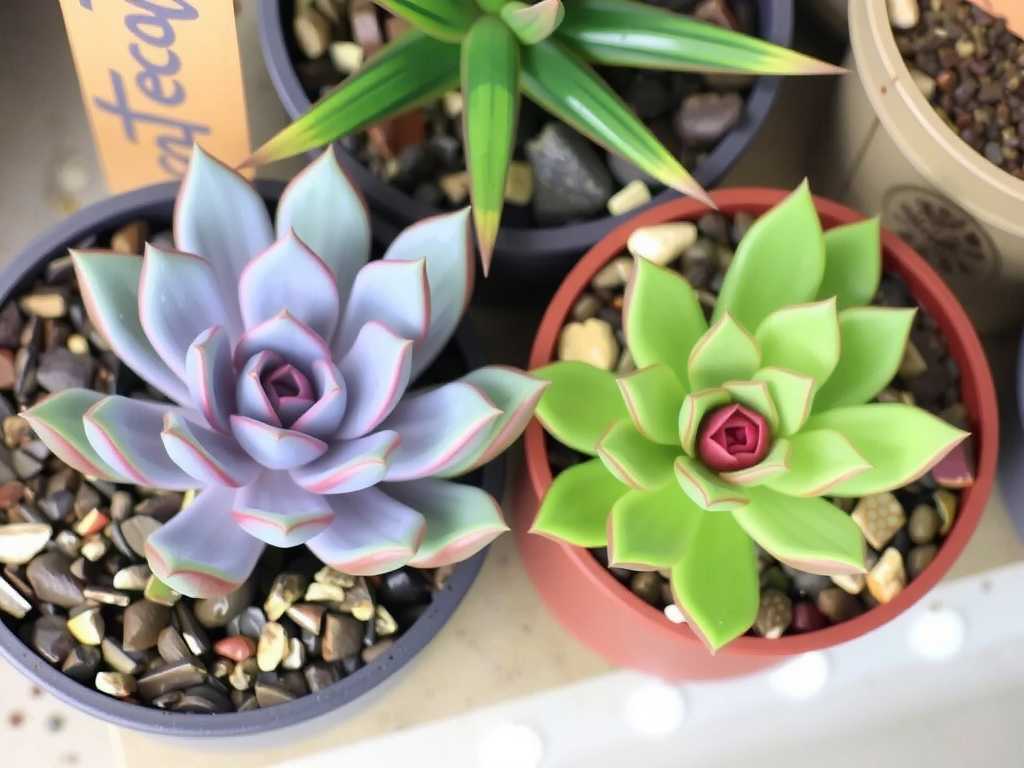
Haworthia encompasses over 150 species of small succulent plants native to South Africa. The genus includes two primary care categories: the hard-leaved varieties like Haworthia fasciata (zebra plant) and the soft-leaved "window" plants like Haworthia cooperi. While their care requirements share similarities, understanding their subtle differences ensures optimal growth.
The translucent leaf tips of Haworthia cooperi represent an evolutionary adaptation to their native habitat. These "windows" allow sunlight to penetrate deep into the leaf tissue while the plant remains partially buried in soil, protecting it from harsh African sun. According to Dr. Emily Sanchez of the International Succulent Institute, "Haworthia cooperi's windowed leaves represent one of nature's most efficient light-gathering systems, requiring different light considerations than opaque-leaved succulents."
Light Requirements: The Delicate Balance
Haworthia species thrive in bright, indirect light. Direct afternoon sun often scorches their leaves, causing brown spots or reddish discoloration indicating stress. East-facing windows provide ideal morning light, while south or west windows may require filtering through sheer curtains.
Haworthia cooperi particularly demands protection from intense direct sunlight. Their translucent leaf tips can become cloudy or develop brown patches when light levels are excessive. Conversely, insufficient light causes etiolation - stretched, pale growth as the plant reaches for more light. Rotate your plants quarterly to ensure even exposure.
Perfecting Your Watering Technique
The most common Haworthia killer remains overwatering. These plants prefer the "soak and dry" method: water thoroughly until it drains from the bottom, then allow soil to completely dry before watering again. During active growth (spring-fall), this may mean watering every 2-3 weeks. In winter dormancy, reduce to monthly or when leaves show slight softening.
Signs of improper watering manifest differently. Overwatered Haworthia develop translucent, mushy leaves often starting at the base. Underwatered plants show wrinkled, thinning leaves that lose their plumpness. Haworthia cooperi particularly communicates water needs through leaf turgidity - slightly soft leaves indicate readiness for water.
Soil and Pot Selection
Haworthia require exceptionally well-draining soil to prevent root rot. A standard cactus mix benefits from additional perlite, pumice, or coarse sand (at least 50% inorganic material). This creates the gritty conditions mimicking their native rocky soils.
Container choice significantly impacts watering success. Terra cotta pots prove ideal as their porous nature allows soil to dry more evenly. Ensure whatever container you choose has adequate drainage holes. Repot every 2-3 years in spring to refresh soil and provide slightly more space for offset production.
Temperature and Humidity Preferences
These succulents prefer temperatures between 65-80°F (18-27°C) during active growth. They tolerate higher temperatures with increased air circulation but require protection from frost. Most Haworthia withstand brief temperature drops to 40°F (4°C) but sustained cold causes cellular damage.
Average household humidity levels suit Haworthia perfectly. Unlike tropical plants, they don't require humidity trays or misting. In fact, excess moisture on leaves, particularly in Haworthia cooperi's tight leaf rosettes, can encourage fungal issues. Provide good air circulation to prevent problems.
Fertilizing for Optimal Growth
Haworthia have modest nutritional needs. During active growth, apply balanced, diluted succulent fertilizer (half-strength) once monthly. Avoid fertilizing during winter dormancy when plants aren't actively growing. Over-fertilization causes rapid, weak growth and can damage the delicate root systems.
Many growers successfully use a single spring application of slow-release succulent fertilizer, which provides nutrients throughout the growing season. The International Succulent Institute's 2023 cultivation survey found that 68% of expert growers prefer this method for Haworthia species.
Propagation Methods
Haworthia naturally produce offsets (pups) around the mother plant. These provide the simplest propagation method. Wait until offsets reach at least one-third the parent's size before separating with a sterile knife. Allow the cut to callous for 2-3 days before planting in fresh soil.
Leaf cuttings present another option, though with lower success rates than offset propagation. Gently twist a healthy leaf from the stem, ensuring it detaches cleanly. Let it callous for several days before placing on well-draining soil. Mist occasionally until roots develop, which may take several weeks to months.
Troubleshooting Common Problems
Yellowing, translucent leaves typically indicate overwatering. Immediately check roots for rot - firm white roots are healthy while brown, mushy roots require intervention. Remove affected roots, apply fungicide to cuts, and repot in fresh dry soil. Wait one week before resuming careful watering.
Pests occasionally trouble Haworthia. Mealybugs appear as white cottony masses in leaf axils. Treat with cotton swabs dipped in rubbing alcohol or insecticidal soap. Spider mites cause fine webbing and stippling on leaves - increase humidity and apply miticides if severe.
Seasonal Care Adjustments
Winter demands significant care modifications. As growth slows, reduce watering frequency by half or more. Protect plants from cold drafts near windows while ensuring they still receive adequate light. Many Haworthia species benefit from a distinct winter rest period with cooler temperatures (50-60°F/10-15°C) if possible.
Spring triggers renewed growth. Gradually increase watering as days lengthen. This represents the ideal time for repotting, fertilizing, and propagation. Watch for flower spikes, which Haworthia typically produce in late spring. The slender stalks bear small white or pink flowers that, while not spectacular, indicate a happy plant.
Why is my Haworthia turning brown? Brown leaves typically indicate too much direct sunlight. The pigments that protect against UV radiation accumulate, creating brown or reddish tones. While not immediately harmful, sustained intense light can cause permanent damage. Move the plant to a location with bright but indirect light and the coloration should gradually improve.
How do I know when to water my Haworthia cooperi? Learn to read your plant's signals. Gently squeeze a lower leaf - slight give indicates readiness for water. The "window" transparency might decrease slightly when thirsty. For uncertain growers, the wooden skewer test works well: insert a skewer into the soil; if it comes out clean, it's time to water.
What causes my Haworthia to become leggy? Stretched growth with excessive space between leaves (etiolation) results from insufficient light. The plant stretches toward available light sources, compromising its compact form. Gradually move to a brighter location, but avoid sudden direct sun exposure which can cause sunburn. Unfortunately, stretched growth won't reverse, but new compact growth will emerge with proper light.
Mastering Haworthia care brings immense satisfaction as these architectural gems thrive under your attention. Their modest size makes them perfect for modern living spaces, while their diversity offers endless collection possibilities. By providing bright indirect light, careful watering, proper soil, and seasonal adjustments, you'll enjoy these captivating succulents for years while watching them produce their own miniature replicas to share with fellow plant enthusiasts.