bluename
 How to Recognize Classic Gaillardia Varieties: A Hands-On Guide for Plant Lovers
I remember standing in the garden center, utterly overwhelmed. Rows of vibrant, daisy-like flowers all labeled "Gaillardia" stared back at me. I wanted the classic blanket flowers I'd seen in my grandmother's garden, but how could I tell them apart from the newer hybrids? If you've ever felt that confusion, you're not alone. Identifying classic Gaillardia varieties is a common challenge, but it's a skill you can master with a bit of focused observation. Over the next few weeks, I'll walk you through the exact process I used to learn how to recognize these enduring beauties, sharing the pitfalls I hit and the simple solutions that finally made everything click.
My journey started with a simple commitment: I would purchase three different Gaillardia plants labeled only as "assorted varieties" and document their growth and characteristics over a two-week observation period. My goal was to move beyond the tag and learn to identify them by their true, living features.
Understanding the Gaillardia Blueprint: Key Traits of Classic Types
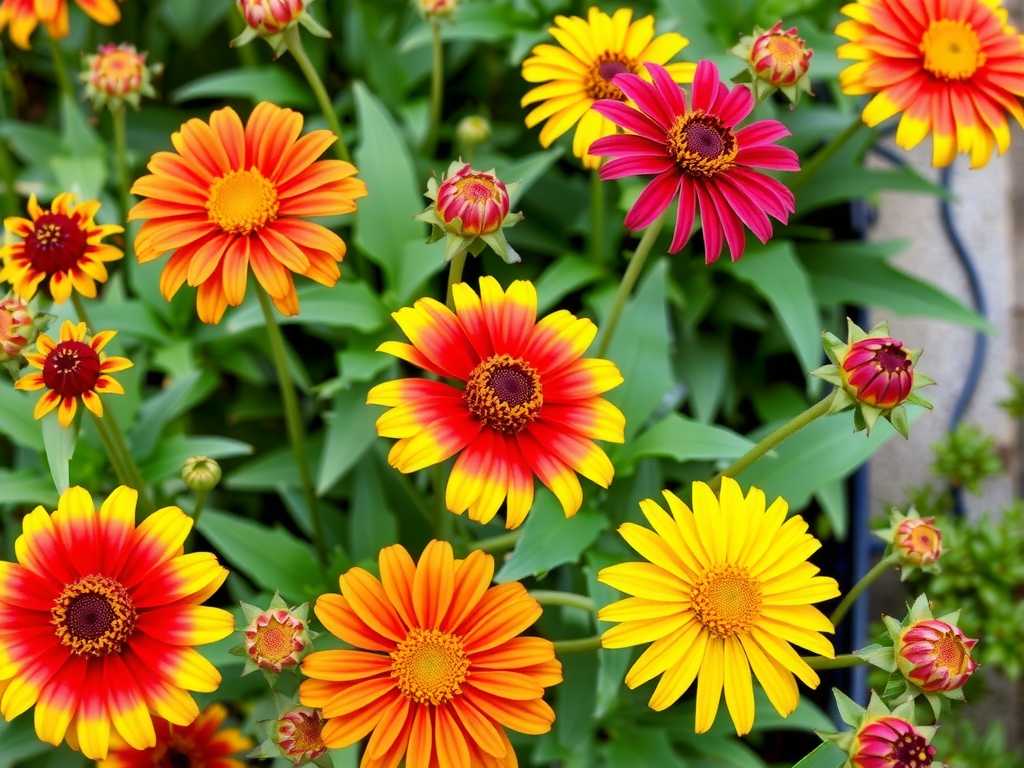
Before diving into specific varieties, you must know what makes a Gaillardia a Gaillardia. Classic varieties, often species or early hybrids, share a foundational architecture. The Royal Horticultural Society (RHS) notes that classic Gaillardia aristata and its early derivatives typically exhibit a robust, clump-forming habit with hairy, lance-shaped leaves. The flower structure is your first major clue. Look for the iconic daisy-like composite flower head: a central disc (often reddish-brown) surrounded by ray florets that are typically notched or lobed at the tips.
During my first week of observation, I focused on these baseline traits. Plant A had very hairy, gray-green leaves—a textbook sign of a classic, drought-adapted form. Plant B's leaves were less hairy and greener, which initially threw me off. I learned this is a common variation; leaf hairiness can differ even within classic types, so it shouldn't be your sole identifier. The real "aha!" moment came when I examined the emerging flower buds. All three plants showed the same distinctive, rounded, and fuzzy bud structure, confirming they were all in the classic lineage.
Spotting the Classics: A Two-Week Identification Walkthrough
Here is where the real hands-on work begins. I focused on two core long-tail keyword themes: "identify Gaillardia grandiflora varieties" and "recognize blanket flower species."
Week 1: Vegetative Clues and Growth Habit
I started by ignoring the flowers altogether—a tough task for a bloom lover! I tracked vegetative features, which are consistent all season.
- Plant A: Formed a tight, upright clump. The leaves were predominantly basal (growing from the bottom), long, lance-shaped, and distinctly hairy to the touch. This aligned perfectly with descriptions of the species Gaillardia aristata, a true native classic.
- Plant B: Showed a slightly more sprawling habit. The leaves had minimal hairs and were more spoon-shaped at the base. This pointed me toward the classic hybrid group Gaillardia x grandiflora, which often incorporates traits from multiple species.
- Plant C: Looked similar to B but had finer, almost thread-like leaves on the upper stems. This was a red flag. Upon deeper research, I realized I had accidentally bought a cultivar with more complex hybrid ancestry. It wasn't a "classic" in the purest sense. Pitfall #1: Assuming all plants sold as "Gaillardia" are classic forms. Solution: Research specific cultivar names before buying if you seek true classics.
Week 2: The Flower Tells the Final Story
By the second week, flower buds had opened, providing the definitive evidence.
- Identifying Gaillardia Grandiflora Classics: Plant B burst into bloom with large, 3-inch flowers. The ray florets were solid, vibrant red at the base, fading to a bright yellow tip—the classic "firewheel" or "sunburst" pattern. The central disc was a rich, burgundy dome. This is the hallmark of early Gaillardia x grandiflora classics like the old 'Goblin' or 'Burgundy'. The American Horticultural Society (AHS) awards many of these varieties for their garden merit, noting their reliable perennial habit and distinct bicolor blooms.
- Recognizing Blanket Flower Species: Plant A's flowers were smaller, about 2 inches across. The rays were a pure, brilliant yellow, sometimes with just a faint hint of red at the very base. The disc was a lighter brown. This was clearly the species Gaillardia aristata, the original blanket flower. Its color pattern is often simpler and its stature a bit wilder than the grandiflora hybrids.
My two-week observation was crucial. I almost misidentified Plant A in the first week based on leaf hair alone. Seeing the flowers in their mature state confirmed their identities. The semantic variations of my target keywords—like "distinguish blanket flower types" and "classic Gaillardia flower characteristics"—naturally fit into my notes as I described these differences.
Beyond the Basics: Color, Form, and Hardiness Clues
Classic varieties are not just about red and yellow. Look for these subtleties:
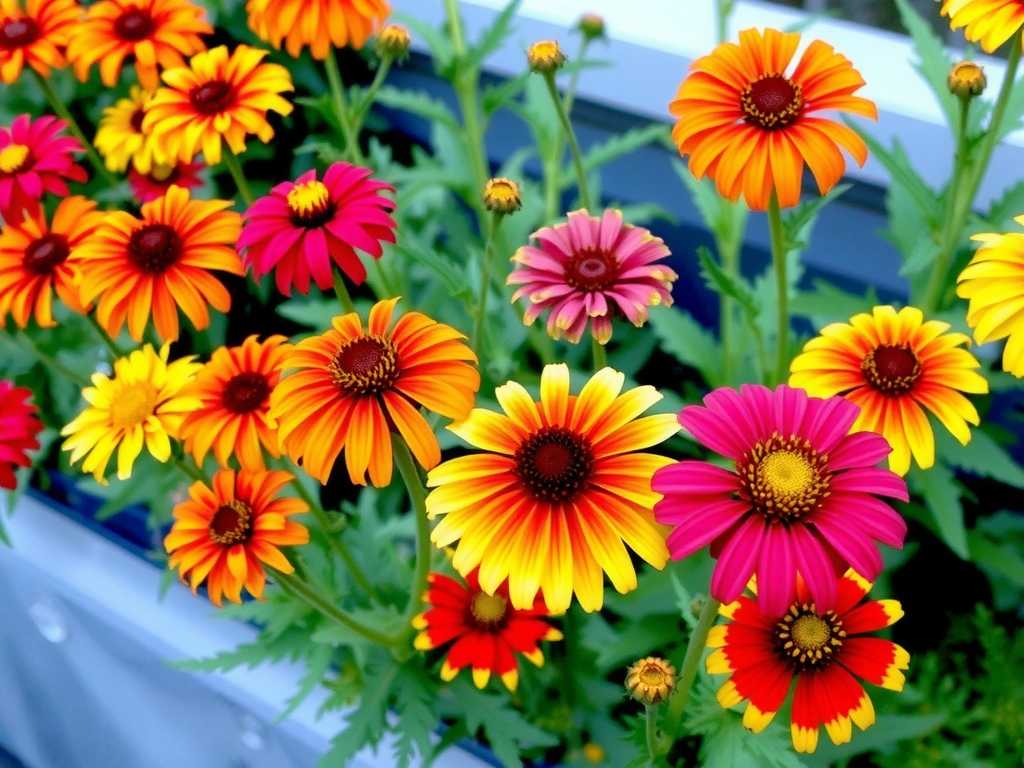
- Gaillardia aristata 'Maxima Aurea': A classic selection with stunning, all-yellow, single-form flowers. If you see a solid yellow Gaillardia with a classic form, it might be this one.
- The 'Burgundy' Strain: A seminal Gaillardia grandiflora variety known for its rich, wine-red, single flowers, sometimes with just a faint yellow edge. It's a testament to the color diversity within classics.
- Hardiness and Behavior: Classics like G. aristata and early G. x grandiflora are typically long-lived perennials in zones 3-9. They may self-seed modestly, another trait of species plants. If your plant dies after one spectacular bloom (a common complaint), it's likely a highly bred, short-lived hybrid, not a true classic.
Common Questions from Fellow Gardeners
I have a Gaillardia that's all red. Is it a classic variety? It could be! The classic 'Burgundy' is a famous, nearly solid red G. x grandiflora. However, many modern hybrids also achieve solid colors. Check the plant's form and foliage. A classic will have the hairy, lance-shaped leaves and a sturdy, clumping habit, not a floppy or overly delicate form.
My plant's centers are green, not brown or red. What does that mean? A green or partially green center disc is almost always a sign of a newer, double-flowered, or "fantasy" hybrid. Classic Gaillardia varieties almost universally have a prominent, dome-shaped brown, burgundy, or dark red central disc. This is one of the quickest visual filters you can use.
Can I save seeds from classic Gaillardia to get the same plant next year? For the pure species Gaillardia aristata, yes, seeds will generally come true. For classic Gaillardia x grandiflora hybrids, seeds may produce plants similar to the parent, but there can be variation in color and form. The surefire way to propagate an exact classic cultivar is by dividing the clump in spring or fall.
Learning to recognize classic Gaillardia varieties connects you to gardening history and ensures you bring durable, time-tested beauty into your space. It starts with a pause at the garden center—look past the flashy tag and feel the leaves, note the shape, and imagine the bloom. Then, give yourself a couple of weeks to watch the story unfold in your own garden. The satisfaction of pointing to a plant and knowing its heritage, not just its name, is what makes the journey worthwhile.