bluename
 How to Identify Common Gazania Varieties: A Gardener's Practical Guide
I used to stand in the garden center, utterly confused by the dazzling array of gazanias. They all looked somewhat similar, yet the tags promised wildly different growth habits and colors. Was the one with the fiery orange bloom a 'Daybreak' or a 'Tiger Stripes'? My haphazard selections led to a mismatched, uneven garden bed. If you've ever struggled to tell your gazanias apart, you're not alone. Proper identification is the key to unlocking their full potential, ensuring the right plant gets the right care and placement. Over the next few weeks, I embarked on a hands-on mission to demystify these vibrant South African natives, and I'm here to share a clear, actionable guide on how to identify common gazania varieties.
My approach was simple: I acquired six different, clearly labeled gazania varieties and documented their growth for two weeks. I tracked everything from the moment I planted them, noting initial differences and watching how they developed. This real-world observation was far more revealing than any catalog picture.

Start With the Foliage: Your First Clue
Many gardeners, myself included, jump straight to the flowers. My first mistake was ignoring the leaves. Gazania foliage offers consistent, reliable identification markers that don't change with the bloom cycle.
I planted a 'Talent' series gazania next to a classic 'Daybreak Red'. Even as seedlings, the difference was stark. The 'Talent' variety showcased beautiful, silvery-green foliage with a distinct feathery or finely dissected texture. It felt almost soft to the touch. In contrast, the 'Daybreak Red' had broader, lance-shaped leaves that were a deeper green on top and strikingly white-felted underneath. According to the Royal Horticultural Society (RHS), leaf pubescence (that fuzzy coating) is a key adaptive trait for drought tolerance and a major varietal identifier.
The坑 I Encountered: I initially assumed a plant with less silvery leaves needed more water. I overwatered my 'Daybreak', leading to slightly yellowing lower leaves—a classic sign of distress in these drought-loving plants. The Solution: I let the soil dry out completely between waterings. I learned to use the foliage as a guide not for thirst, but for genetics. Now, I know that silver, fuzzy leaves (like on 'New Day' or 'Talent' series) often indicate even greater heat and drought resilience.
Decoding the Bloom: Color, Pattern, and Structure
This is where the fun begins. Once my plants settled in and began flowering, the true identification parade started. I focused on three core aspects: solid colors, patterned petals, and the flower's central disk.
Solid Hues vs. Dramatic Patterns:
- Single-Color Varieties: My 'Big Kiss White Flame' lived up to its name. Its blooms were a stunning, consistent white with a faint yellow center. It was easy to identify once it flowered. Similarly, 'Sunshine Yellow' offered a pure, daisy-like yellow. These are straightforward for beginners.
- Striped and Ringed Varieties: This is where confusion often lies. My 'Tiger Stripes' gazania had bold, dark brownish-red stripes radiating from the center on a yellow background, creating a dramatic, almost wild look. However, my 'Daybreak Bronze' presented a more subtle gradient—a bronze-red center fading to a peachy-yellow at the petal tips, with no sharp stripes. The American Horticultural Society's (AHS) encyclopedia notes that these distinct zonings are stable traits within cultivated varieties.
The坑 I Encountered: Light levels dramatically affect color intensity. My 'Tiger Stripes' planted in partial afternoon shade showed washed-out stripes compared to its sibling in full sun. I initially thought I had a mislabeled plant. The Solution: I observed the pattern structure, not just the color intensity. The stripe placement remained identical. For accurate ID, always check blooms that have opened in full, direct sunlight.
The Critical Detail: The Eye of the Flower
Don't overlook the center! The floral disk can be a dead giveaway. I compared two orange gazanias side-by-side.
- The 'Aztec' variety had a vibrant orange bloom with a small, neat black center disk ringed by a tiny white halo.
- The 'Sunbathers' series sunset orange had a larger, more complex center with a darker burgundy ring surrounding the central disk.
This two-week focused observation taught me more than any guidebook. The 'Talent' series never changed its silvery leaf texture. The 'Daybreak' series consistently showed its white-felted leaf undersides. Patterned blooms kept their unique markings when grown in proper sun.
Growth Habit and Form: The Big Picture
Identification isn't just about close-up details. Step back and look at the plant's shape.
- Trailing or Spreading Varieties: My 'Gazania rigens leucolaena' (often sold as a trailing gazania) quickly sent out long, vine-like stems, perfect for my container's edges. Its leaves were narrower and grayer than the clump-formers.
- Clump-Forming Varieties: Most common series like 'Daybreak', 'New Day', and 'Big Kiss' form tidy, mounded clumps. They spread outward gradually but maintain a defined shape. The National Gardening Association surveys often cite this compact habit as a top reason for their popularity in borders.
By the end of my observation period, I could confidently identify each plant without its label. The combination of leaf type, bloom pattern, center detail, and growth habit created a foolproof fingerprint for each variety.
What is the hardiest gazania variety? Based on my experience and the RHS's trials, the 'New Day' and 'Talent' series are exceptionally tough. Their super-silvery foliage provides superior protection against scorching sun and dry winds. My 'New Day' plants looked pristine even after a sporadic heatwave, while others had slight wilting by midday.
Do all gazanias close at night? Most do, but not all with the same rigor. My 'Sunbathers' series lived up to its name—the blooms stayed open longer into the evening on cloudy days and were quicker to open in the morning sun. Traditional varieties like 'Daybreak' were more punctual, closing tightly by late afternoon. This trait is linked to specific breeding for extended garden display.
Can I identify a gazania by seed? It's very difficult for home gardeners. Gazania seeds from mixed packs are a lottery. My attempt from a "mixed colors" packet yielded mostly simple yellow and orange forms, none of the dramatic striped or large-flowered types. For reliable identification and specific traits like double flowers or unique patterns, purchase established plants or seeds of a named variety from a reputable source.
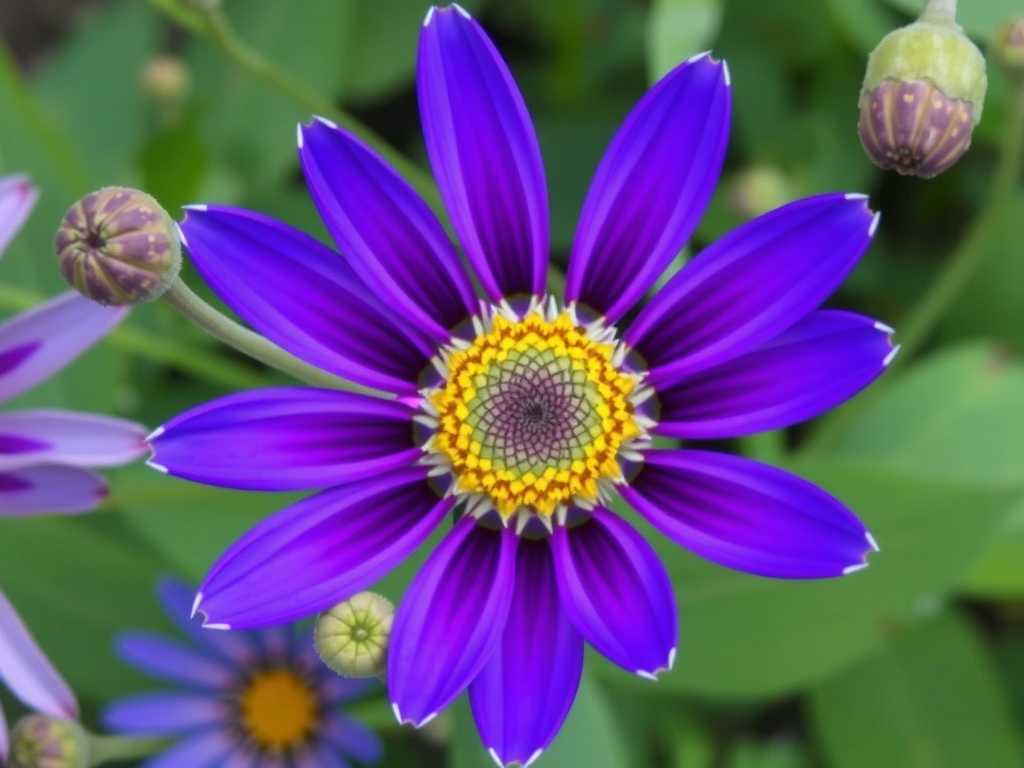
Identifying gazanias transforms them from anonymous colorful daisies into distinct garden personalities with known needs and potentials. It starts with a touch of the leaves, a close look at the sunlit bloom's architecture, and an understanding of how it chooses to grow. This knowledge lets you design with purpose, pairing the right spreader for a basket with the right clumper for a border edge. The journey from confusion to clarity took just a focused fortnight of looking, and the reward is a garden where every vibrant face has a name.