bluename
 How to Quickly Recognize Daisy Varieties? A Practical Guide from a Fellow Plant Lover
I used to stand in the garden center, utterly confused. A sea of cheerful, white-petaled flowers labeled “daisy” stared back at me, yet they all looked slightly different. Was this a Shasta, an English, or an Oxeye? My attempts to mix them in a border ended in a mismatched, blooming mess. The core problem was simple: I couldn’t quickly recognize daisy varieties. If you’ve ever felt that same frustration of wanting to identify these popular blooms accurately, you’re in the right place. After years of trial, error, and a dedicated two-week observation project, I’ve developed a straightforward system. This guide will share my hands-on steps, the pitfalls I encountered, and how you can learn to distinguish daisy types with confidence.
My journey to mastering daisy identification began with a simple decision: to stop guessing and start observing systematically. I selected three common varieties often found in nurseries: the Shasta daisy (Leucanthemum x superbum), the English daisy (Bellis perennis), and the Oxeye daisy (Leucanthemum vulgare). I planted them in separate, clearly marked sections of my sunny garden bed, committing to a daily 10-minute check for two weeks. This wasn't just about watching them grow; it was about actively comparing their features side-by-side. The differences, which once seemed subtle, became glaringly obvious. Let me walk you through the exact characteristics I learned to focus on.
Start with the Flower Head: Your Primary Clue
The flower is the most telling feature. Don’t just glance at the color; become a detective.
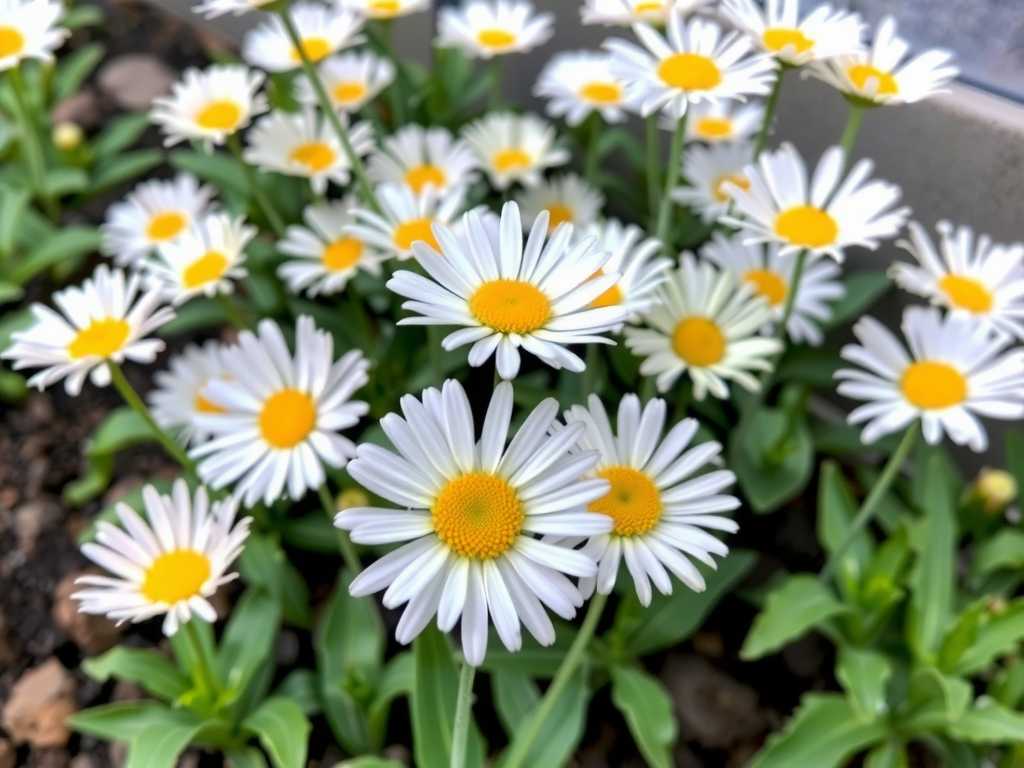
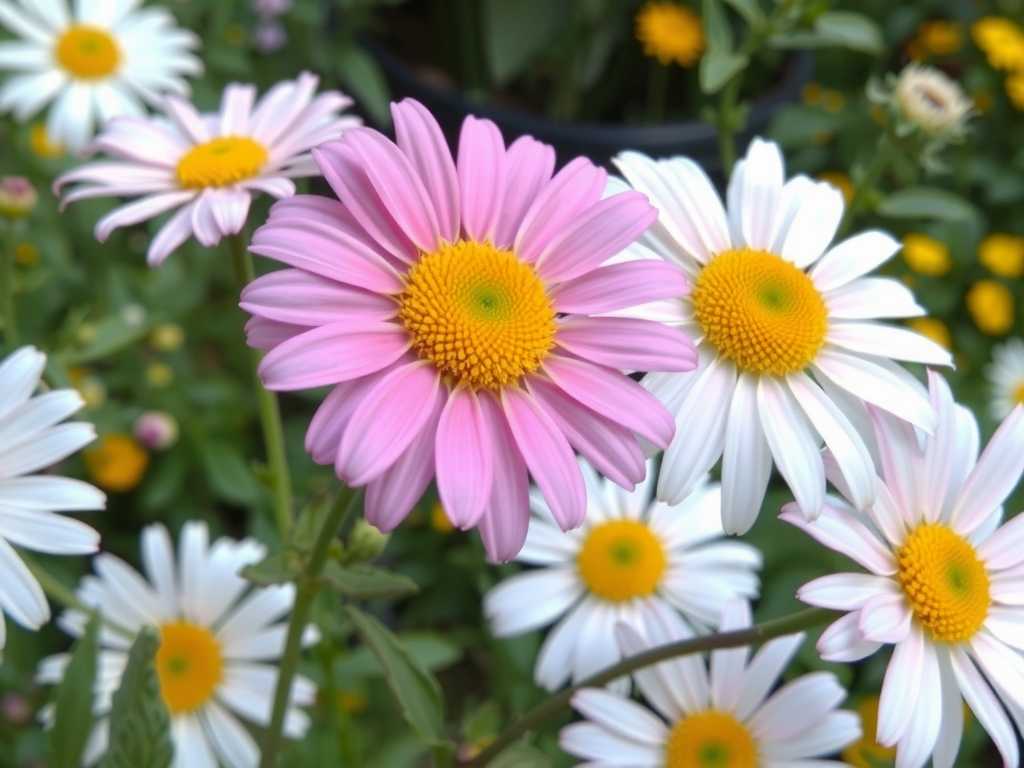
First, examine the central disc. This is the “eye” of the daisy. For Shasta daisies, the disc is a vibrant, sunny yellow and starts flat, becoming slightly mounded as it matures. It looks neat and compact. In contrast, the Oxeye daisy has a much flatter, button-like yellow disc that often appears more loosely arranged. The English daisy is a game-changer here. Its disc is usually the same yellow, but the entire flower head is significantly smaller—often just an inch across—and the petals can be white, pink, or even red.
Next, scrutinize the ray petals (the “petals” surrounding the disc). Shasta daisy petals are pure white, broad, and often have a slightly notched or ruffled tip. They overlap neatly in a single or double row around the disc. Oxeye daisy petals are also white but tend to be narrower, more spaced apart, and sometimes slightly drooping. They rarely overlap. A key identifier for Oxeyes, noted by botanists at the Royal Horticultural Society (RHS), is that their petals are often fewer in number than those of cultivated Shastas. My “aha!” moment came on day five of my observation: my Shasta’s petals were sturdy and held their form after a rain shower, while the Oxeye’s looked a bit disheveled.
Decode the Foliage and Growth Habit
If the flowers aren’t present, the leaves and plant shape will give you the answer. This is crucial for recognizing daisy varieties early in the season.
Shasta daisies form robust, dense clumps of dark green, lance-shaped leaves. The leaves are thick, toothed, and glossy, growing primarily at the base with some clasping the stem. The plant has an upright, commanding presence. Oxeye daisies, often considered a wildflower or weed, have darker green leaves that are deeply lobed or toothed in a more irregular, jagged pattern. They look rougher. The basal leaves are spoon-shaped, while stem leaves are smaller. English daisies are the unmistakable low-growers. They form a tight rosette of spoon-shaped, slightly hairy leaves that hug the ground. You’ll rarely see them over six inches tall.
Here’s a mistake I made: I bought a pot labeled simply “daisy” with no blooms. Assuming it was a Shasta, I gave it plenty of space. It turned out to be an English daisy, which quickly became a charming ground cover but was utterly lost in the spacious spot I’d allocated. Now, I always check the foliage first.
Consider the Context and Bloom Time
Where and when the plant is growing provides massive hints. This is where my two-week log proved invaluable.
Shasta daisies are classic, well-behaved garden perennials. You’ll find them in organized borders, sold in pots at reputable nurseries. They bloom from early summer well into fall, especially if deadheaded. Oxeye daisies are pioneers. Look for them in meadows, roadsides, and untended fields. They naturalize readily and bloom primarily in early to mid-summer. The American Horticultural Society (AHS) often lists Oxeye daisies in wildflower guides, noting their adaptability and sometimes invasive nature in certain regions. English daisies are cool-season lovers. They thrive in lawns (where they are often considered a weed), in rock gardens, and as edging plants. They put on their best show in spring and fall, often going dormant or looking ragged in the heat of summer.
During my observation period, I charted the bloom cycles. The Shasta was just starting, the Oxeye was in full swing, and the English daisy was nearly finished for its spring flush. Context cemented the identification.
Putting It All Together: A Quick Recognition Checklist
When you see a daisy, run through this mental list I now use instinctively:
- Flower Size & Disc: Large flower with a plump yellow disc? Likely Shasta. Medium-sized, flatter disc in a wild setting? Think Oxeye. Tiny flower on the ground? Probably English.
- Petals: Broad, overlapping, and neat = Shasta. Narrow, spaced, sometimes drooping = Oxeye. Small and potentially colorful = English.
- Leaves: Dark, glossy, toothed clumps = Shasta. Deeply cut, jagged, darker leaves = Oxeye. Small, spoon-shaped rosette at ground level = English.
- Location: Tidy garden border = Shasta. Meadow or roadside = Oxeye. Lawn or rock garden edge = English.
What is the easiest way to tell a Shasta daisy from an Oxeye daisy at a glance? Look at the leaves and the setting. Shasta daisies have glossy, thick, toothed leaves in a garden clump. Oxeyes have rougher, deeply cut leaves and are typically found in wilder, uncultivated areas. The flower disc of a Shasta is also fuller and more mounded.
I have a daisy with pink tips on the petals. What is it? You likely have a cultivated variety of the English daisy (Bellis perennis). They are famous for their pink, red, or tipped petals. Shasta and Oxeye daisies almost exclusively have pure white ray petals.
Why does my daisy plant die back in summer? If it’s an English daisy, this is completely normal. They prefer cooler weather and often go semi-dormant or die back in the peak summer heat. Ensure it has some afternoon shade and adequate moisture. Shasta daisies, being summer bloomers, should not die back entirely during the season.
Recognizing daisy varieties quickly boils down to a combination of clues—flower form, foliage texture, and growing context. It’s a skill that transforms a walk in the garden or a trip to the nursery from a guessing game into an engaging treasure hunt. By focusing on these practical, observable traits, you can confidently identify these beloved blooms and choose the right types of daisies for your own garden design, ensuring a beautiful and harmonious display.