bluename
 How to Fix Root Rot Problem of Lilies After the Repotting Process
I love my lilies. Their vibrant blooms are the highlight of my summer garden. But last season, my joy turned to worry shortly after I decided to give my favorite Oriental lilies a fresh start with new soil and a larger pot. Within days, I noticed the telltale signs: yellowing lower leaves, a general droopiness that watering wouldn’t fix, and a suspicious, musty smell from the soil. I had accidentally given my lilies root rot during the repotting process. If you’re facing limp, unhappy lilies after repotting, you’re not alone. This guide is born from my own stressful, yet ultimately successful, two-week rescue mission to fix lily root rot.
The key is swift, decisive action. Root rot is a progressive condition caused by fungi like Fusarium and Pythium thriving in waterlogged soil, often exacerbated by damage during repotting. According to the American Horticultural Society (AHS), overwatering is the single most common cause of plant death, and repotting stress makes plants especially vulnerable. My goal was to create a recovery protocol that was both effective for the plant and clear for any concerned plant lover.
Step 1: Immediate Diagnosis and Unpotting
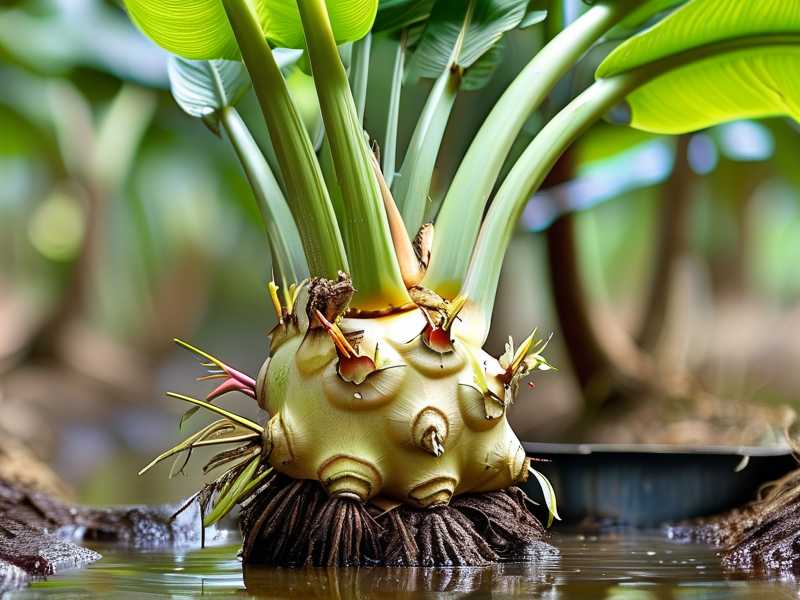
Don’t wait. The moment you suspect root rot, action is critical. I gently tipped the pot and slid the entire root ball out. The evidence was undeniable. While some roots were firm and white, many were soft, mushy, and brown. A distinctly unpleasant, decaying odor confirmed the problem. Healthy lily roots should be firm and pale, not slimy or dark.
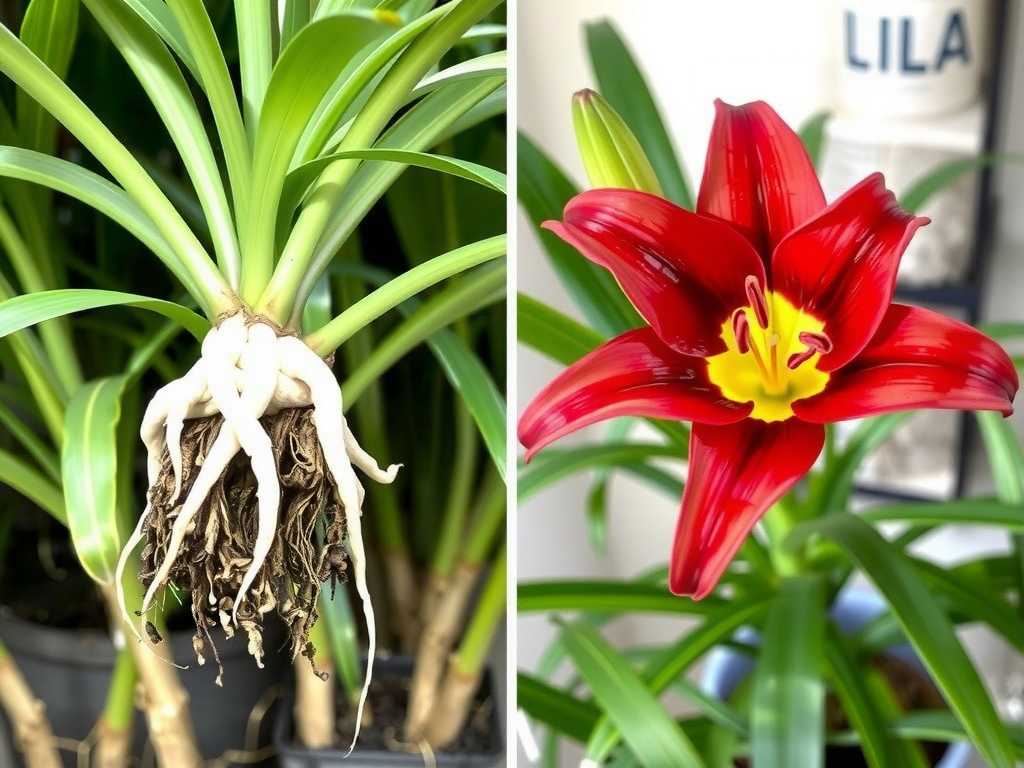
Here’s the precise process I followed:
- I prepared a clean workspace with newspaper.
- Using my hands, I carefully crumbled away the wet, old potting mix from the root system. Being gentle here is paramount to avoid further damage.
- I then rinsed the roots under a gentle, lukewarm stream of water to get a completely clear view of the damage.
Step 2: The Surgical Removal of Rotted Roots
This is the most crucial step. You must remove all compromised tissue, or the fungus will spread. I used a pair of pruning shears that I had sterilized with rubbing alcohol. The Royal Horticultural Society (RHS) emphasizes using clean tools to prevent spreading disease.
- I meticulously trimmed away every soft, brown, or black root. I cut back until I reached only firm, white, healthy tissue.
- If the rot had traveled up the bulb itself, I used a sharp, sterile knife to carve out any soft, discolored spots on the bulb, as if removing rot from a potato.
- After pruning, I dipped the entire remaining root system and bulb in a fungicide solution. I used a copper-based fungicide, following the label instructions precisely. An alternative is a simple hydrogen peroxide bath (one part 3% peroxide to two parts water) for a few minutes to disinfect.
Step 3: Repotting with a “Recovery Prescription” Soil Mix
Reusing the old, contaminated soil is not an option. I created a well-draining, airy mix to give the surviving roots the best environment to recover.
My recipe was:
- 2 parts high-quality, sterile potting mix
- 1 part coarse perlite
- 1 part horticultural charcoal (this helps absorb impurities and improves drainage)
I chose a clean pot with excellent drainage holes. It was actually slightly smaller than the previous one, as the reduced root mass needed less soil to avoid staying wet. I placed a layer of my new mix in the bottom, set the lily bulb and roots in place, and gently filled around them, firming lightly. I did not water the plant at this stage.
Step 4: The Critical First Two Weeks: Observation and Care
This is where patience and observation become your tools. My recovery plan spanned a strict 14-day period.
Days 1-5: The Dry-Out Period. After repotting, I placed the lily in a warm, bright location with indirect light. I did not water it at all. This allowed the trimmed roots and any cut surfaces on the bulb to callus over, preventing new infections. The soil was bone dry. The plant looked sad, but this was necessary.
Day 6: The First Sip. After five full days, I gave the lily its first watering. I used a watering can to lightly moisten the soil around the edges of the pot, avoiding the center crown. The goal was slight moisture, not saturation. I allowed any excess to drain away completely.
Days 7-14: Monitoring and Adjustment. I resisted the urge to over-love it with water. I only watered again when the top inch of soil felt completely dry. I monitored the remaining foliage daily. The yellowing stopped progressing. While one severely damaged stem didn’t recover, the others slowly lost their droop and began to feel firmer.
The “Catch-22” I Faced: My biggest mistake in the initial repotting was using a pot that was too large. Too much soil holds too much water for a small root system to use. This time, by sizing down the pot and using a gritty mix, I broke the cycle of waterlogging. The fix was counterintuitive but essential.
How to Prevent Root Rot in Future Repotting
Prevention is always better than cure. Now, when I repot any lily, I follow these rules:
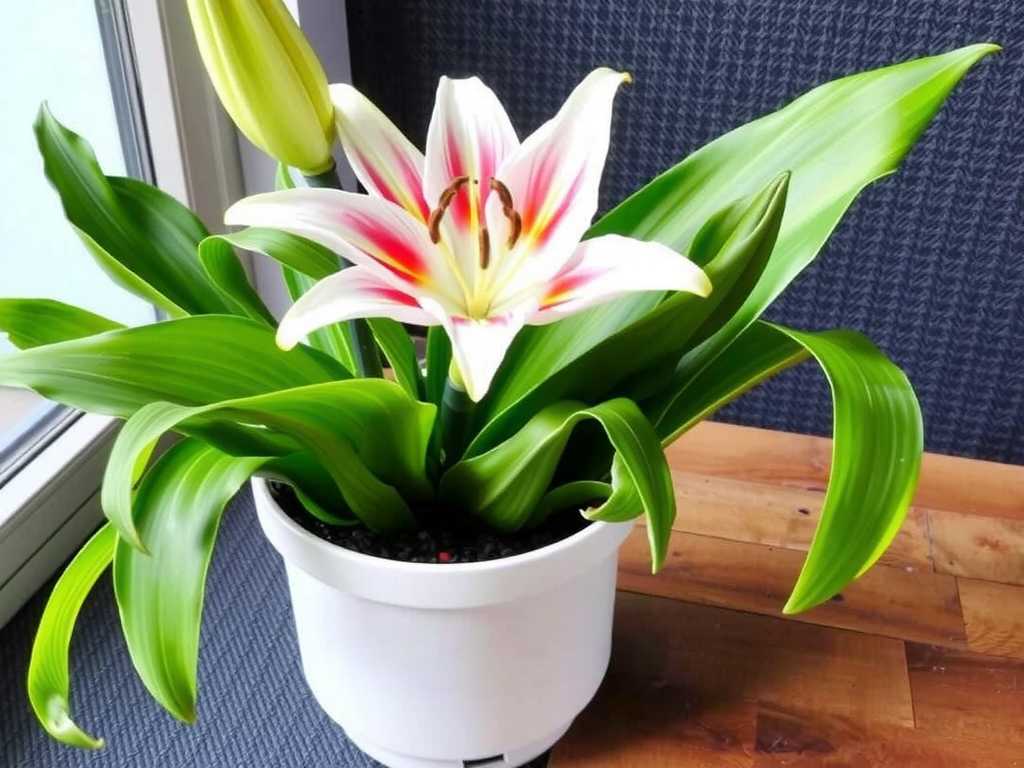
- I always use a fast-draining soil mix, as described above.
- I ensure the pot has ample drainage holes and is only 1-2 inches wider than the bulb’s root mass.
- I water thoroughly once after repotting, then wait until the soil is partly dry before watering again. I never let the pot sit in a saucer of water.
- I keep the plant in slightly shadier conditions for a week after repotting to reduce water demand while roots settle.
Will my lily still bloom this season after root rot? It depends on the severity and timing. My rescued lily, treated in early spring, put its energy into root regrowth and produced fewer, slightly smaller blooms later that summer. If the rot happens just before bloom time, the plant may abort buds to survive. The priority is saving the bulb for future seasons.
Can I use cinnamon instead of fungicide? Cinnamon has mild antifungal properties and can be used on minor cuts. For extensive root rot, however, I trust a registered fungicide or hydrogen peroxide bath for a more reliable disinfection, as recommended by plant pathologists.
How do I know if I’ve removed enough of the rotten roots? You must keep cutting until you see no more brown or soft tissue inside the root. If the bulb itself is mushy all the way through, it may be unsalvageable. It’s better to cut a bit more than to leave rot behind.
Watching a prized lily struggle after what was meant to be a helpful repotting is disheartening. My two-week journey from diagnosis to recovery taught me that plants are remarkably resilient when given the correct conditions. The process of fixing root rot—unpotting, surgical removal, disinfecting, and repotting in appropriate soil—is a direct intervention that addresses the core problem. By understanding the need for a dry-out period and mastering a well-draining soil mix, you don’t just save a plant; you gain the confidence to prevent this issue from ever happening again. Your lilies can, and will, bounce back.