bluename
 How to Choose the Perfect Medium to Solve Your Orchid Repotting Needs
I’ve been there. You’re staring at your beloved orchid, noticing the roots spilling over the pot’s edge or the potting mix crumbling into dust, and you know it’s time. The thought of repotting, however, brings a wave of anxiety. What medium do I use? Will I kill it? This single decision—choosing the right orchid potting medium—feels like the biggest hurdle between a thriving plant and a tragic mishap. For years, I treated all orchids the same, leading to more than a few casualties. It wasn’t until I started treating the medium as the foundation of orchid health that everything changed. Let me walk you through my journey of experimentation, failure, and ultimate success in selecting the ideal medium to solve your orchid repotting needs.
Understanding Your Orchid’s Natural Habitat is Key
The first and most critical mistake I made was assuming “orchid mix” from the store was a one-size-fits-all solution. It’s not. The secret lies in mimicking, as closely as possible, the plant’s natural growing conditions. Most popular orchids are epiphytes, meaning they grow on trees in the wild, their roots exposed to air, moisture, and quick drainage.
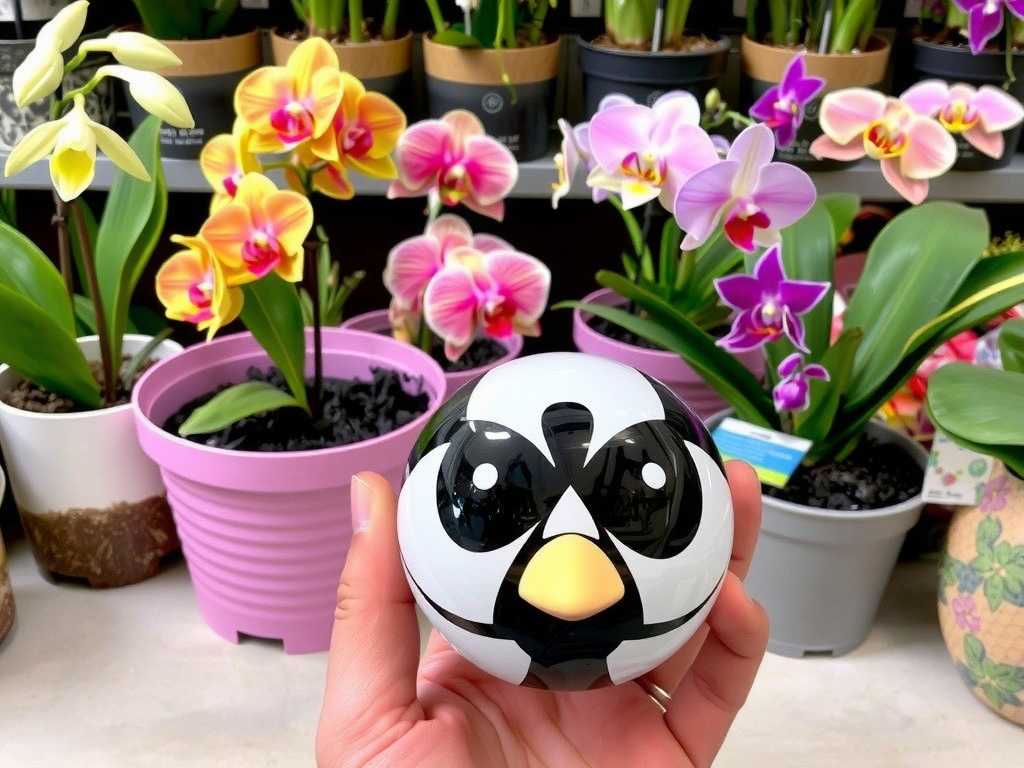
I learned this the hard way with my first Phalaenopsis. I repotted it into a dense, moisture-retentive potting soil. Within two weeks, the previously firm, silvery-green roots had turned brown, mushy, and rotten. The plant went into severe shock. I had to perform an emergency repot, cutting away nearly 70% of the root system. It survived, but it didn’t bloom again for over a year. This painful lesson taught me that the primary function of a potting medium for epiphytic orchids is not to provide nutrients (we do that with fertilizer) but to provide physical support while creating an environment of moisture, air, and drainage around the roots.
The Core Components: Breaking Down Your Options
Through trial and error, I’ve tested nearly every common component. Here’s my practical breakdown from a grower’s perspective.
Sphagnum Moss: This was my go-to for a long time. Fresh, high-quality sphagnum moss is fantastic for moisture retention and provides a gentle, acidic environment. It’s excellent for orchids that prefer consistent moisture, like some Miltoniopsis, or for reviving dehydrated plants. However, its major pitfall is compaction. Over time, it breaks down and can suffocate roots if not monitored closely. I now use it primarily for top-dressing or in specific mixes, never alone for long-term potting.
Fir or Pine Bark: This is the backbone of many of my mixes now. It’s durable, provides excellent air pockets, and drains quickly. The size of the bark chips is crucial. I use fine-grade for seedlings and small orchids, medium-grade for most mature Phalaenopsis and Cattleyas, and large chunks for big specimen plants in humid environments. A note from the American Orchid Society (AOS) supports this, stating that bark mixes allow for “the perfect balance of air and water movement.” The downside? It dries out faster, especially in warm climates, requiring more frequent watering.
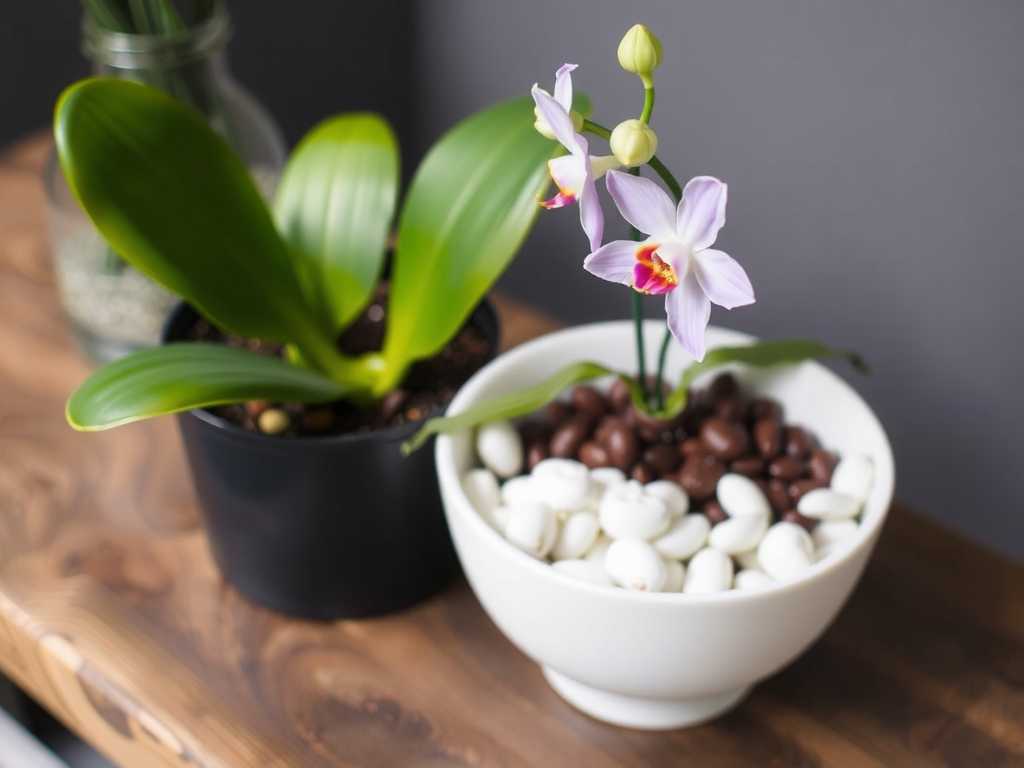
Horticultural Charcoal: Not to be confused with barbecue briquettes! This inert material is a game-changer. It doesn’t decompose, helps absorb impurities, and improves drainage. I add a handful to almost every mix I make. It acts like a filter, keeping the medium “sweet” and preventing souring.
Perlite and Lava Rock: These are my aeration champions. I use perlite in mixes for orchids that need a lighter, fluffier medium. Lava rock is heavier and provides fantastic stability and drainage. For my mounted orchids or those in baskets, I often use a base of large lava rock.
Coconut Husk Chips (Coco Chips): A sustainable alternative to bark. They retain moisture well but resist compaction better than moss. I find they hold their structure longer than some barks. I always soak and rinse them thoroughly before use to leach out any residual salts, a step I learned to never skip after one batch stunted a new growth.
Crafting the Right Mix for Your Specific Orchid
Here is where theory meets practice. I no longer buy pre-mixed bags. Instead, I blend based on the orchid type and my home environment (which is fairly average household humidity, around 40-50%).
For Phalaenopsis and Oncidiums (Common Beginner Orchids): My standard, reliable mix is:
- 70% medium-grade fir bark
- 20% large-chunk perlite
- 10% horticultural charcoal This mix provides the quick drainage and air flow these orchids crave. It dries out in about 7-10 days for me, which is perfect.
For Cattleyas and Dendrobiums (Light Lovers that Hate Wet Feet): These need even faster drainage. My mix is:
- 80% medium-grade fir bark
- 15% lava rock or large perlite
- 5% charcoal This is a very open, chunky mix. In my environment, it dries out in 5-7 days. The Royal Horticultural Society (RHS) advises that for these genera, “a very free-draining medium is essential to prevent rot,” which aligns perfectly with this approach.
For Masdevallias and Miltoniopsis (Moisture-Loving Types): These were my biggest challenge. They need constant moisture but not sogginess. After several failed attempts with pure moss, I landed on this blend:
- 50% fine-grade orchid bark
- 40% high-quality sphagnum moss (loosely packed)
- 10% perlite I pack this mix slightly more firmly to hold moisture but the perlite ensures air pockets remain. I monitor it closely, and it typically needs water every 5-6 days before becoming completely dry.
My 2-Week Repotting Observation Journal
To give you a real-world example, I recently repotted a mature Phalaenopsis that was struggling in old, broken-down bark. I used my standard Phal mix listed above.
- Day 1-3: Post-repot, the orchid looks a little wilty. This is normal transplant shock. I placed it in bright, indirect light and withheld water for the first 3 days to allow any root wounds to callus over.
- Day 4-7: I gave it a thorough soak. The new mix absorbed water beautifully and drained completely within minutes. No water pooled in the saucer. The leaves began to perk up.
- Day 8-14: The surface bark was dry, but probing a finger into the mix revealed slight moisture deeper in. I waited until it was almost dry throughout before watering again on Day 10. By the end of the second week, I spotted the very tips of two new, bright green root nubs pushing out into the new medium—the ultimate sign of success! The plant had adapted and was using its new environment to grow.
Common Pitfalls and How I Solved Them
Pitfall 1: Over-Packing the Pot. I used to think a tighter pack meant more support. Wrong. It chokes the roots. Solution: Gently fill the pot, tapping the sides to settle the mix. Don’t press or compact it. The orchid should be secure but the medium should remain loose and airy.
Pitfall 2: Ignoring Pot Size and Type. Putting an orchid in a pot that’s too large means the medium stays wet for too long, inviting rot. Solution: Choose a pot that comfortably fits the root mass with just enough room for 1-2 years of new growth. I prefer clear plastic pots with ample side drainage holes; they let me monitor root health without disturbing the plant.
Pitfall 3: Not Pre-Soaking Components. Dry bark and coconut chips can repel water initially. Solution: I always soak my bark and coco chips in warm water for at least an hour (sometimes overnight) before potting. This ensures they are ready to absorb and release moisture evenly from the first watering.
How often should I repot my orchid? Generally, every 1-2 years, or when the medium breaks down and no longer drains quickly. The best time is usually after flowering, when new roots begin to appear.
Can I use regular potting soil for orchids? Almost never. Standard potting soil retains far too much water and will suffocate the roots of epiphytic orchids, leading to rapid root rot. It is unsuitable for solving orchid repotting needs.
My orchid’s roots are growing out of the pot. Does it need repotting? Not necessarily! Aerial roots are completely normal for epiphytic orchids. Only repot if the potting medium is breaking down or the plant is severely overgrown in its container. Those air roots are a sign of a happy, exploring plant.
Choosing the right medium transformed my orchid care from a guessing game into a confident practice. It’s the most impactful step in the repotting process. By understanding your orchid’s native needs, selecting and blending components purposefully, and learning from close observation, you provide a foundation where roots can breathe, absorb, and thrive. Don’t be afraid to experiment slightly based on your specific conditions—the reward of a robust, reblooming orchid is well worth the effort.