bluename
 How to Solve Leaf Yellowing and Dropping Problem of Cyclamens Post-Repotting
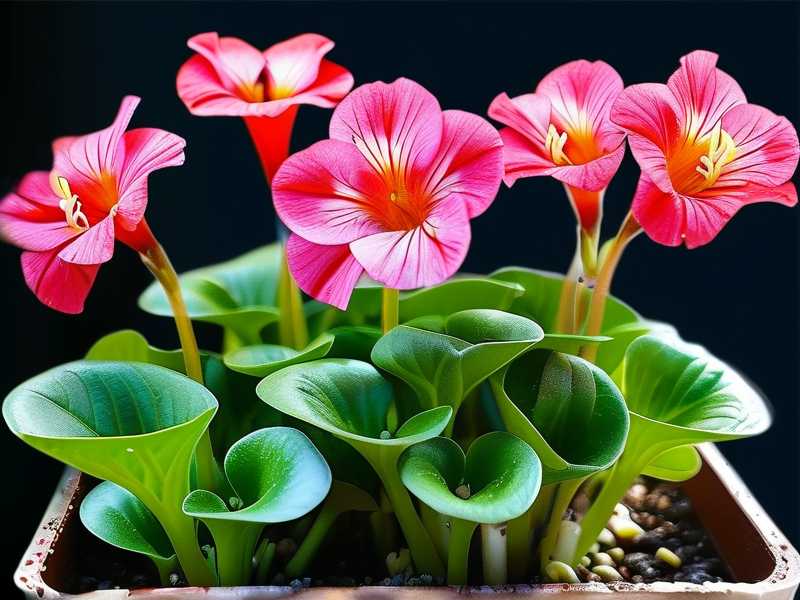
I love my cyclamens. Their vibrant, swept-back blooms and marbled heart-shaped leaves bring me joy every winter. But that joy turned to panic last season when, just days after what I thought was a routine repotting, my favorite plant began a dramatic decline. Leaves turned a sickly yellow, one after another, before dropping off completely. I felt like I’d killed it. If you’re here, you’re probably facing the same heart-sinking sight. Don’t worry. Through trial, error, and a lot of patient observation, I figured out exactly how to solve the leaf yellowing and dropping problem of cyclamens after repotting, and I brought my plant back from the brink.
This guide is the result of my hands-on experience. I’ll walk you through the real reasons behind this stress response and the practical, step-by-step recovery process I used over a critical two-week period. I’ll also share the mistakes I made along the way so you can avoid them.
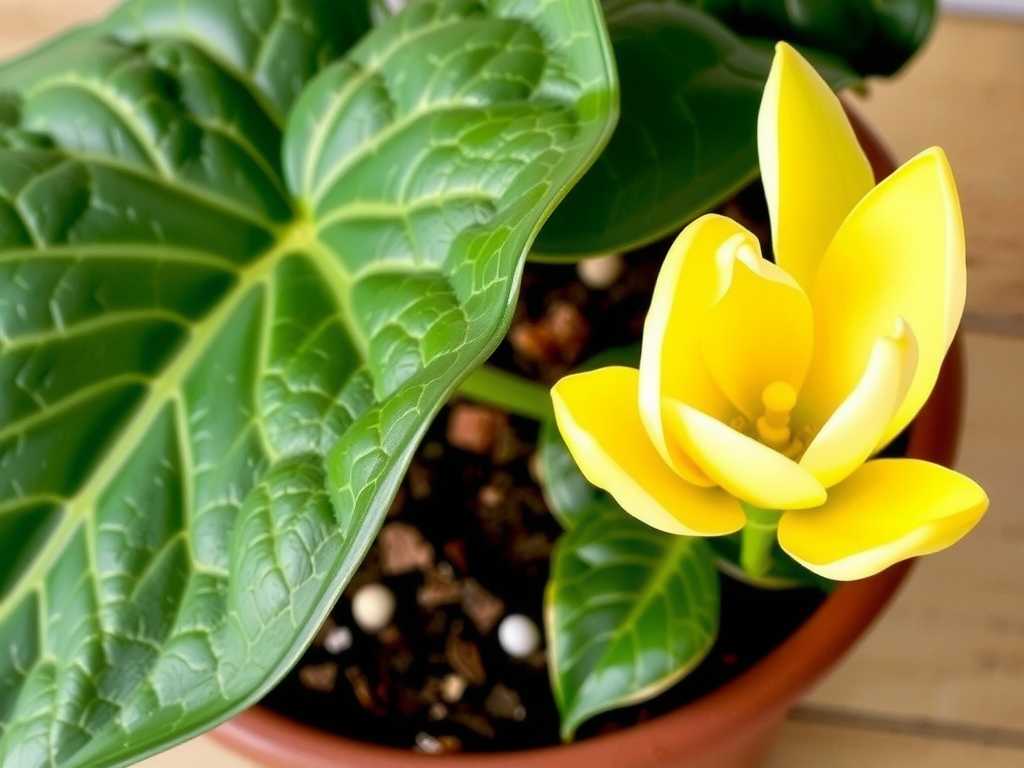
Understanding the Shock: Why Repotting Stresses Cyclamens
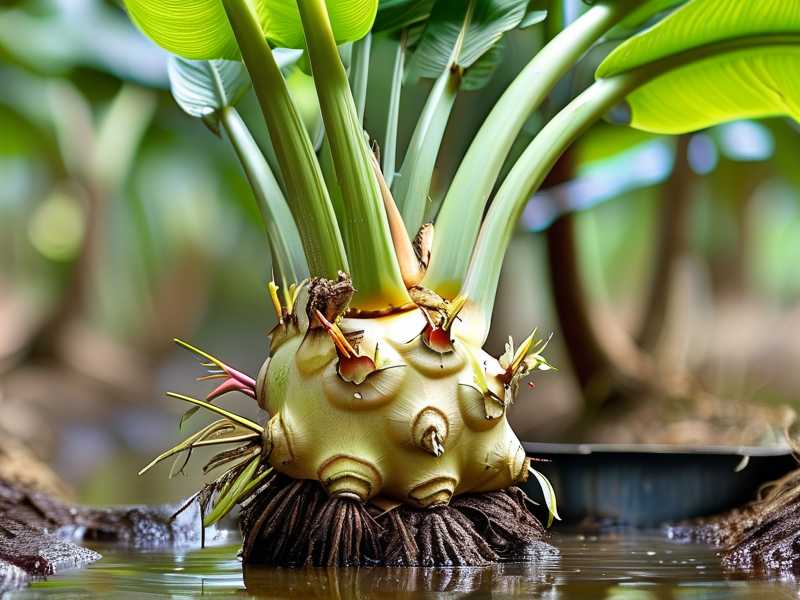
Cyclamens, especially the popular Cyclamen persicum, are tuberous plants notoriously sensitive to root disturbance. Their tuber, that round, flat structure at the base, is their lifeline. When we repot, we inevitably damage some of the fine, hair-like roots that absorb water and nutrients. This root damage is the primary trigger for post-repotting distress.
The plant goes into survival mode. It can’t support all its existing foliage with a compromised root system, so it sacrificially sheds leaves to conserve energy and moisture. The yellowing is the first sign of this nutrient and water transport shutdown. According to the Royal Horticultural Society (RHS), cyclamens prefer to be slightly pot-bound and recommend repotting only when absolutely necessary, typically in late summer as they come out of dormancy. Repotting during their active growth or bloom phase, as I mistakenly did, maximizes shock.
My Step-by-Step Recovery Protocol
When I saw the yellowing start, I immediately stopped all my usual care routines and implemented this rescue plan. I monitored my plant closely for the next 14 days, adjusting based on its signals.
Immediate Action: The First 48 Hours
First, I moved the plant to a “recovery room.” This was a bright spot with consistent, indirect light—an east-facing windowsill was perfect. I shielded it from any direct sun, which would further dehydrate the stressed leaves. Crucially, I placed it away from heat vents, drafts, and cold windows. Temperature stability is key; the American Horticultural Society (AHA) notes cyclamens thrive in cool temperatures around 60-65°F (15-18°C), and fluctuations worsen stress.
I did not water it. This was my first big mistake initially—I had watered right after repotting, thinking it would help. A soggy medium around damaged roots is an invitation for rot, which accelerates leaf drop. Instead, I let the soil approach the “just barely moist” stage. I gently inserted my finger about an inch deep to check.
Week 1: Observation and Minimal Intervention
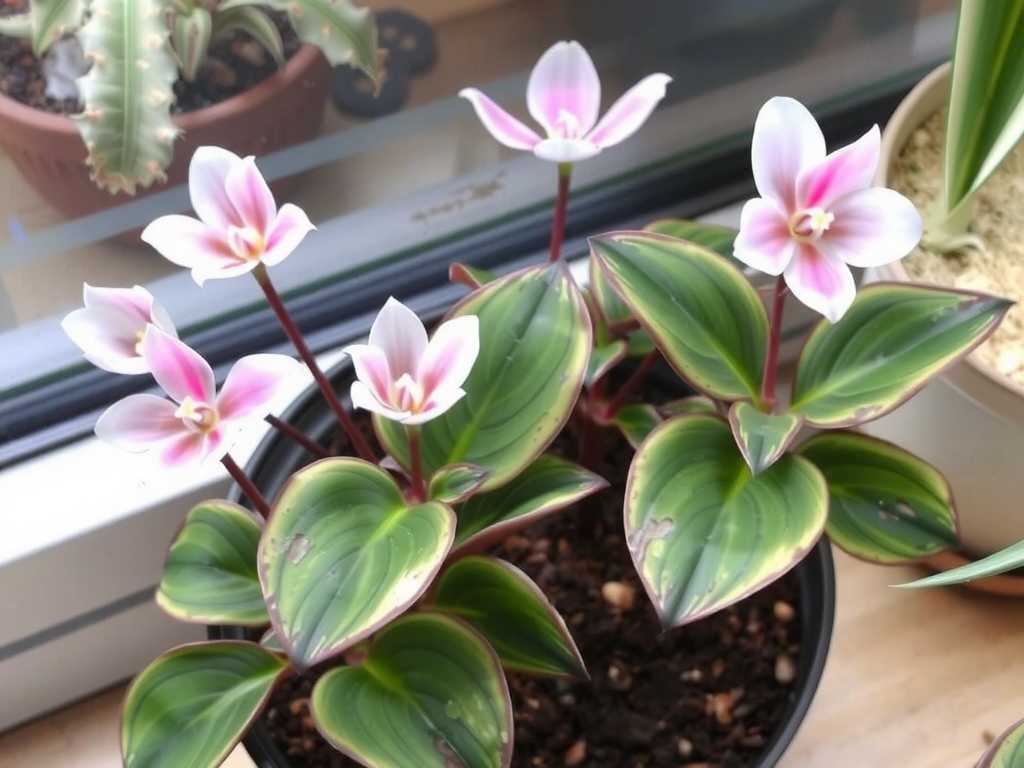
The first week was about patience. Two more older, outer leaves yellowed completely. I resisted the urge to fertilize—damaged roots cannot process fertilizer, and salts can burn them. My only intervention was careful leaf removal. I sanitized a pair of scissors and cleanly snipped off the fully yellow leaves at the very base where they met the tuber. I did not pull them, as pulling can tear the tuber and create an entry point for disease.
I began a careful watering practice. Using room-temperature water, I watered from the bottom by placing the pot in a saucer of water for about 15 minutes. This encouraged the remaining healthy roots to grow downward to seek moisture without saturating the upper part of the tuber, which is prone to rot. I allowed all excess water to drain completely. The goal was to keep the soil lightly and evenly moist, never wet.
Week 2: Signs of Stabilization and Adjustment
By the start of the second week, the yellowing had stopped. No new leaves were affected. This was the first sign my interventions were working. The remaining leaves, while a bit limp, held their green color. I continued the strict bottom-watering routine only when the top inch of soil felt dry.
At this stage, I introduced a tiny bit of humidity. I placed the pot on a pebble tray filled with water, ensuring the pot sat above the waterline. This created a microclimate of slightly higher humidity around the foliage, reducing moisture loss through the leaves (transpiration) and easing the burden on the roots. I avoided misting the leaves directly, as water sitting in the crown can cause fungal issues.
The Pitfalls I Encountered and How I Fixed Them
My journey wasn’t smooth. Here are the critical errors I made during the initial, failed repot and how I corrected them during recovery.
Mistake 1: Wrong Potting Mix and Pot Size I initially used a standard, moisture-retentive all-purpose potting soil. It stayed too wet. For the recovery, though I didn’t repot again, I understood the fix. Cyclamens need exceptionally well-draining soil. A mix formulated for African violets or a homemade blend of potting soil, perlite, and coarse sand is ideal. The pot must have excellent drainage holes and only be slightly larger than the previous one. A pot too large holds excess soil that stays wet, suffocating roots.
Mistake 2: Disturbing the Tuber Depth I had buried the tuber too deeply in my first attempt. Cyclamens are prone to tuber rot problems if planted incorrectly. The top half to one-third of the tuber should sit above the soil line. When I checked during recovery, I carefully brushed away a little excess soil from the tuber’s shoulders without disturbing the roots, ensuring it wasn’t buried. This is vital for preventing the cyclamen tuber from rotting.
Mistake 3: Overcare After the Shock My instinct was to “help” with water and food. This is almost always wrong. The fix was disciplined neglect: providing stable conditions and letting the plant use its own energy to rebuild its root system. My role was to facilitate, not force, recovery.
Long-Term Health: Preventing Future Repotting Stress
The best way to solve leaf drop is to avoid causing it. Now, I only repot my cyclamens when dormant (in summer) or if absolutely necessary. I use the right soil, ensure proper tuber placement, and water carefully from the start. After any repot, I proactively place the plant in a stable, cool, bright location and withhold fertilizer for at least 4-6 weeks to allow for root establishment.
Will all the yellow leaves fall off? Yes, leaves that have turned completely yellow will not recover. It’s best to remove them cleanly to allow the plant to focus its energy on maintaining healthy foliage and growing new roots. The yellowing and dropping should stop once the plant stabilizes.
How long does it take for a cyclamen to recover from repotting shock? You should see the progression of yellowing halt within 7-10 days if conditions are corrected. Full recovery, where the plant resumes normal growth and possibly sends up new flower buds, can take several weeks to a couple of months. Patience is the most important tool.
Should I fertilize my cyclamen after repotting to help it recover? Absolutely not. Do not fertilize a stressed cyclamen for at least a month after repotting. The damaged root system cannot absorb nutrients effectively, and fertilizer salts can burn the tender new roots you want it to grow. Wait until you see clear signs of new growth before resuming a diluted, half-strength feeding regimen.
Watching a cyclamen suffer after repotting is distressing, but it’s usually a recoverable situation. The key is understanding that the plant is reacting to root trauma and environmental change. By immediately providing stable, cool, bright conditions, mastering a careful bottom-watering technique, and resisting the urge to over-care, you give your plant the best chance to redirect its energy. My cyclamen, now several months past its crisis, is once again covered in deep green leaves and new pink blooms. It taught me that sometimes, the best care is knowing when to step back and let the plant heal on its own terms.