bluename
 How to Solve the Non-Flowering Problem of Bougainvillea After Repotting
I love my bougainvillea’s vibrant bursts of color, so you can imagine my frustration when, after a routine repotting, it refused to bloom for months. Just lush green leaves where there should have been a brilliant display. If you’re facing the same silent treatment from your repotted bougainvillea, you’re not alone. This non-flowering problem of bougainvillea after repotting is incredibly common, but thankfully, it’s almost always solvable. I’ve been through this exact scenario, and through trial, error, and patient observation over several weeks, I cracked the code. Let me walk you through the real, practical steps that finally brought my plant back to its blooming glory.
Understanding Why Your Repotted Bougainvillea Won't Bloom
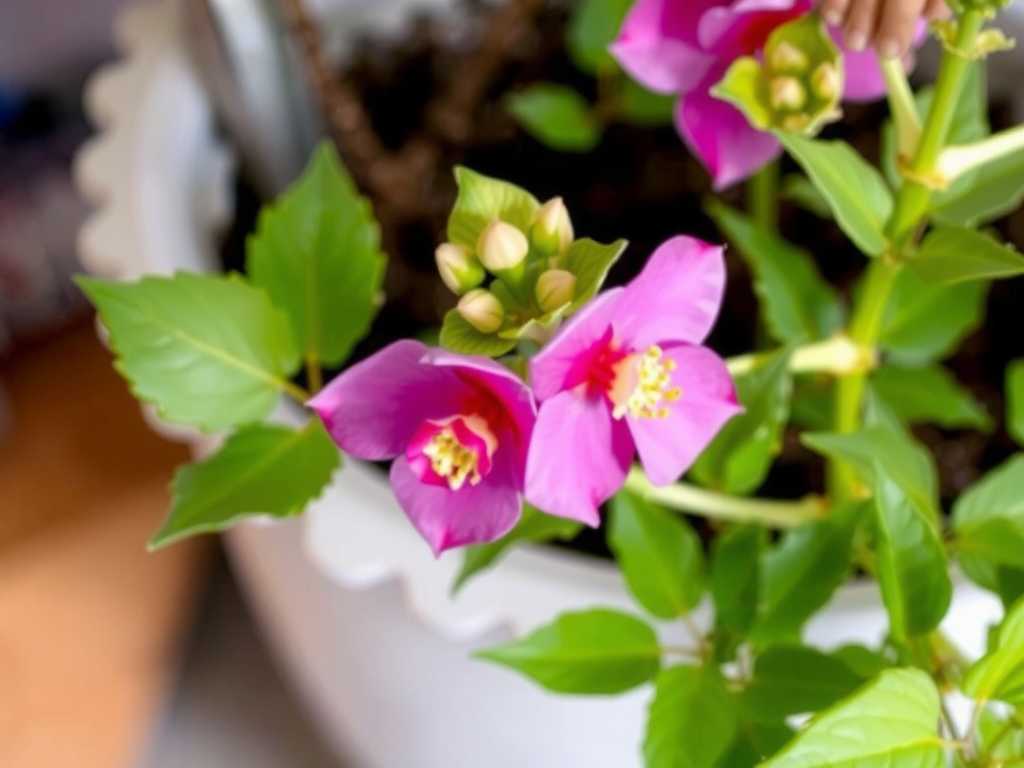
First, don’t panic. A bougainvillea not flowering after a change of pot is often a stress response and a sign it’s prioritizing root and foliage growth. Blooming is an energy-intensive process. When we repot, we inevitably disturb the roots. The plant’s immediate survival instinct is to rebuild its root system in the new space, diverting all its resources away from flower production. The key is to transition it from this recovery phase back into a flowering cycle. According to the American Horticultural Society (AHS), bougainvilleas bloom best when slightly root-bound and under specific environmental stress, conditions often disrupted by repotting.
My 2-Week Rescue Plan: Steps, Observations, and Adjustments
I committed to a focused two-week plan to address the core issues. Here’s exactly what I did, what I saw, and the mistakes I corrected along the way.
Week 1: Correcting the Fundamentals
My initial focus was on fixing any immediate environmental mistakes I might have made during the repotting process.
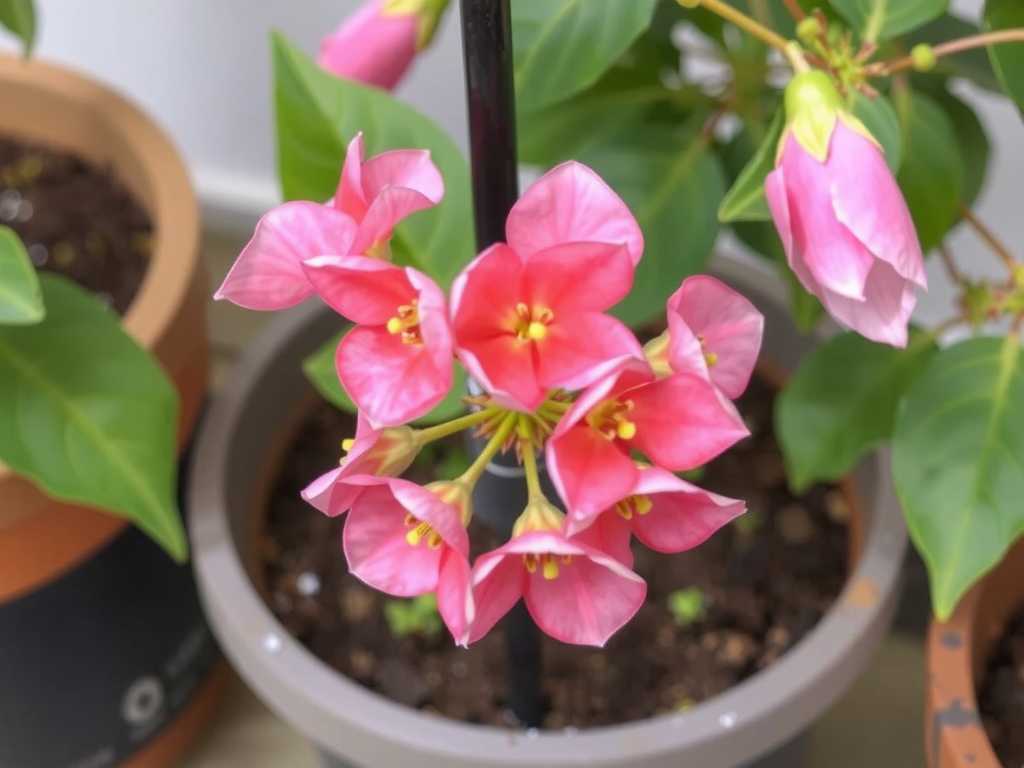
Light: The Non-Negotiable Bloom Trigger Bougainvilleas are sun worshippers. I realized my "bright spot" was only getting about 4 hours of direct sun. For prolific flowering, they need a minimum of 6, ideally 8+ hours of direct, unfiltered sunlight daily. I moved my plant to the sunniest location I had—a south-facing patio. Almost immediately, within just 2-3 days, I noticed the existing leaves developed a richer, slightly tougher texture. This was the first positive sign it was getting the energy it needed.
Watering: The Delicate Balance This was my biggest pitfall. After repotting, I was watering on a schedule, keeping the soil consistently moist. This is a recipe for all-leaf, no-flower growth. Bougainvilleas need a cycle of thorough watering followed by a period where the top few inches of soil dry out completely. I switched to a "soak and dry" method. I’d water deeply until it ran from the drainage holes, then wouldn’t water again until the top 2-3 inches of soil were bone dry. I physically checked with my finger every other day. By day 5 of this new regimen, the plant’s growth seemed less "soft" and more compact—a good shift.
Fertilizer: Switching the Nutrient Focus I was using a balanced, all-purpose fertilizer. Wrong choice. High nitrogen promotes leafy growth at the expense of flowers. I immediately stopped that and purchased a fertilizer high in phosphorus and potassium (like a 5-10-10 or similar "bloom booster" formula). I applied it at half-strength with my first deep watering after starting the plan. The Royal Horticultural Society (RHS) notes that excessive nitrogen is a primary cause of poor flowering in many plants, including bougainvillea.
Week 2: Strategic Stress and Patient Observation
The second week was about reinforcing good habits and looking for subtle signs of change.
Embracing "Tough Love" Once the watering was under control, I pushed the dryness slightly further. I let the plant wilt just a tiny bit—where the leaves lost a little of their turgor but weren’t crispy—before watering. This mild hydric stress is a natural signal for the plant to reproduce (flower). I also resisted the urge to prune anything. Pruning can encourage new vegetative growth, which is the opposite of what we want right now.
What I Observed and Adjusted By the end of the second week, there were no flowers yet, but the signs were promising. The plant had stopped putting out long, leggy shoots of new leaves. Its overall appearance was denser. I noticed several small, pointed nubs forming at the tips of some stems—these were potential flower bract buds, not leaf buds! The key adjustment I made was patience. I wanted to see instant results, but bougainvillea operates on its own timeline. I continued the strict light, water, and fertilizer protocol without deviation.
The Long-Term Keys to Post-Repotting Blooms
Solving bougainvillea flowering issues after a pot change isn’t a one-week fix; it’s about setting up the right long-term conditions.
Pot Size and Root-Bound Preference My initial repotting mistake was going too big. I had moved it to a pot more than 2 inches larger in diameter. Bougainvilleas flower most profusely when their roots are comfortably crowded. A pot that’s too large holds excess soil that stays wet, promoting root growth over flower production. For future repotting, I’ll only size up by 1-2 inches at most, or simply refresh the soil in the same pot.
Consistent Seasonal Care The problem of bougainvillea not blooming often stems from inconsistent care. After my two-week reset, I maintained the regimen. The true reward came about 5 weeks after I started. Those tiny nubs I spotted in Week 2 swelled and burst into beautiful magenta bracts. The lesson was clear: repotting causes a temporary setback, but with corrected care, the plant will reward you.
Why isn't my bougainvillea blooming even with lots of leaves? This is almost always due to one of three issues: too much nitrogen fertilizer, not enough direct sunlight (less than 6 hours), or overwatering. The plant is healthy but getting signals to grow vegetatively, not reproduce. Switch to a bloom booster fertilizer, maximize sun exposure, and let the soil dry out more between waterings.
How long after repotting should I expect flowers? Don’t expect flowers for at least 4-8 weeks after repotting, and sometimes longer. The plant needs time to establish roots and then redirect energy. If you correct the care conditions as outlined, you should see flower bud initiation within 2-4 weeks, with full blooms developing several weeks after that.
Should I prune my bougainvillea to encourage flowering after repotting? No, not immediately. Pruning stimulates new stem and leaf growth. Your goal post-repotting is to convince the plant it’s in an ideal, slightly stressful environment to flower. Hold off on any significant pruning until after the next bloom cycle has finished. Light tip-pinching can be done later to encourage bushiness, but avoid heavy cuts while it’s trying to initiate blooms.
Seeing those first colorful bracts emerge was immensely satisfying. The journey from a non-flowering, green-only plant to a vibrant spectacle reinforced that bougainvilleas thrive on specific, almost contrary, care: abundant sun but controlled water, limited root space, and fertilizer that targets blooms, not leaves. Repotting disrupts this balance, but by systematically addressing light, water, and nutrients, you provide the roadmap for it to find its way back. Trust the process, be patient, and your bougainvillea will once again become the dazzling centerpiece it’s meant to be.