bluename
 How to Adjust the Suitable Growth Temperature for Pansies After Repotting
You’ve just finished repotting your beloved pansies. The new pots look great, the fresh soil is full of promise, but now a nagging question hits you: what’s the right temperature to keep them at? Getting the temperature wrong after such a stressful event can mean the difference between a thriving display and a disappointing wilt. I’ve been there, watching leaves droop for no apparent reason, only to realize my room was just a few degrees off. This guide is born from my own two-week journey of trial, error, and eventual success in finding that perfect thermal sweet spot for repotted pansies.
My goal is simple: to walk you through the exact steps I took, share the data from my daily observations, and highlight the mistakes I made so you can avoid them. Let’s ensure your pansies not only survive the transition but burst into vigorous growth.
Understanding the Pansy’s Temperature Needs Post-Repotting
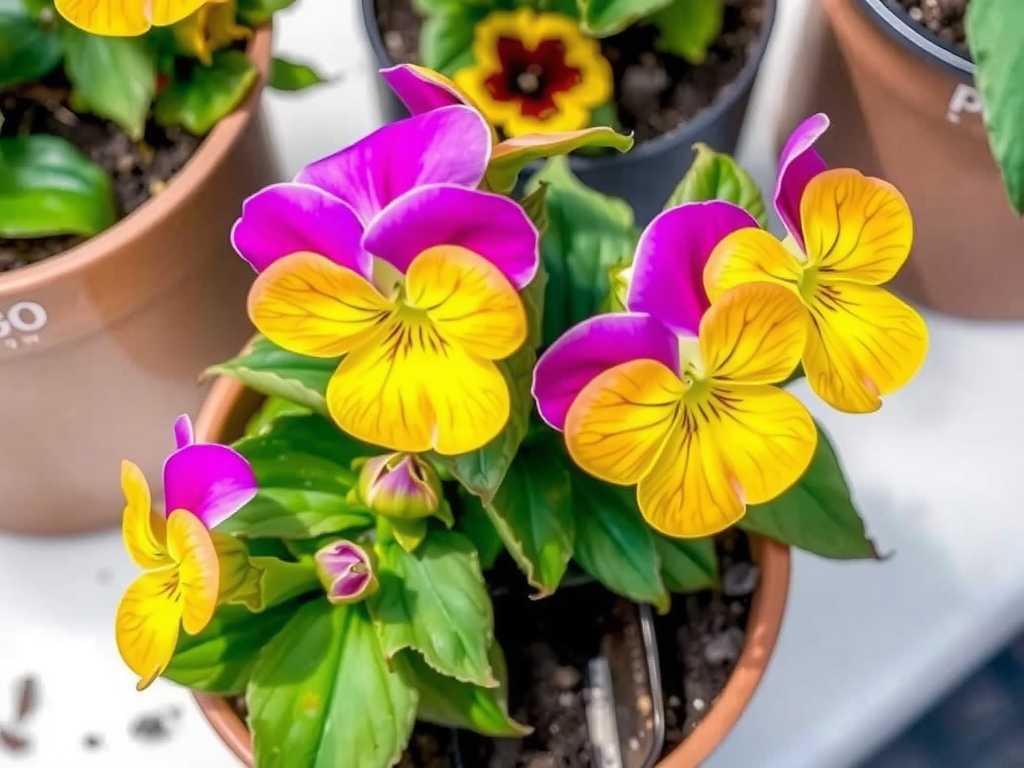
First, let’s establish a baseline. Pansies (Viola × wittrockiana) are cool-season champions. According to the Royal Horticultural Society (RHS), their ideal growing range is between 45°F and 65°F (7°C to 18°C). They can tolerate light frosts but begin to struggle when temperatures consistently stay above 70°F (21°C).
However, adjusting the suitable growth temperature for pansies after repotting isn’t just about hitting this range. It’s more nuanced. Repotting is a shock. The roots are disturbed, and the plant’s ability to take up water is temporarily impaired. During this recovery phase, the plant is more vulnerable to environmental stress. The American Horticultural Society (AHS) notes that minimizing stress factors like temperature extremes is critical for successful plant establishment after transplanting.
Therefore, the post-repotting period demands a more careful and stable temperature management strategy than routine care.
My Two-Week Temperature Adjustment Protocol
Here is the precise, step-by-step protocol I followed for two weeks after repotting my pansies. I tracked their progress daily, making small adjustments based on their response.
Week 1: The Critical Recovery Phase (Days 1-7)
The objective here is shock mitigation. Your pansy’s primary job is to repair roots, not support top growth.
- Initial Placement (Day 1): Immediately after repotting, I moved my pansies to a “recovery zone.” This was a spot that met the optimal temperature conditions for transplanted pansies. For me, it was a bright, east-facing porch that received gentle morning sun but was shaded during the hot afternoon. The key was consistency. I used a simple digital thermometer/hygrometer to monitor the area. I aimed for a steady 55°F to 60°F (13°C to 16°C), slightly cooler than the top of their ideal range to slow transpiration and reduce water demand on the compromised roots.
- The First Mistake and Fix (Day 2-3): My first error was assuming “bright shade” was enough. On Day 2, the afternoon sun shifted and hit the pots for about 90 minutes, spiking the local temperature to 75°F (24°C). By evening, the leaves looked slightly limp. I realized that maintaining consistent soil temperature for pansies was impossible with direct sun heating the container walls. The fix was simple but crucial: I used a small, white shade cloth draped over a frame to create dappled light all day. This immediately stabilized the ambient and pot temperature.
- Observation and Watering (Days 3-7): I resisted the urge to overwater. I checked soil moisture by finger, watering only when the top inch was dry. The cool, stable temperature meant the soil stayed moist but not soggy for longer, perfect for root regrowth. No fertilizer was given—this is a common pitfall. New roots are easily burned by salts in fertilizers.
Week 2: The Acclimation and Growth Phase (Days 8-14)
Once the plants showed signs of new growth and perky foliage (around Day 7 for me), I began a gentle acclimation process.
- Gradual Introduction to Ideal Growing Temps (Days 8-10): I started to expose them to slightly broader temperature variations, mimicking their ultimate growing conditions. I began by allowing them to experience the natural evening cooldown to about 50°F (10°C) and a daytime peak of around 65°F (18°C). This diurnal swing is actually beneficial, as noted by horticultural experts, as it strengthens the plant.
- Monitoring for Active Growth (Days 11-14): This is where you see if your temperature control for repotted pansies has worked. I looked for firm, turgid leaves and, most importantly, the emergence of new leaf buds at the growth points. My pansies began showing this on Day 12. This was my green light that they had successfully rerooted and were ready to support new growth.
- The Second Hurdle (Day 13): A surprise warm spell pushed daytime temps to 70°F (21°C). I noticed the newest, tender leaves looked a bit soft. While established pansies handle this, my repotted ones were still catching up. I increased air circulation with a small, oscillating fan placed several feet away (not directly on them) and made sure their soil moisture was perfect. This prevented any fungal issues and cooled the leaf surface through evaporation, mitigating the heat stress.
Key Tools and Strategies for Precise Temperature Management
You don’t need a high-tech greenhouse. Here’s what worked for me:
- Digital Thermometer/Hygrometer: Essential for data, not guesswork. Place the sensor at plant canopy level.
- Strategic Placement: Use microclimates. North-facing walls, under the dappled shade of a tree, or on a covered patio are often naturally cooler.
- Container Choice: I learned this the hard way. Dark plastic pots absorb heat. I repotted into light-colored ceramic or clay pots, which kept the root zone cooler. This is a vital part of regulating pansy climate after changing pots.
- Mulching: A thin layer of light-colored mulch (like small bark chips) on the soil surface insulates against temperature swings and conserves moisture.
What the Data Showed: My Two-Week Log Summary
- Days 1-3: Recovery zone. Temp: 55-60°F. Plant status: Stable, slight initial wilt from transplant shock.
- Days 4-7: Stable recovery. Temp: 58-62°F (after shade fix). Plant status: Perking up, no new growth but no decline.
- Days 8-10: Acclimation start. Temp: 50°F (night) to 65°F (day). Plant status: Noticeably firmer leaves.
- Days 11-14: Growth phase. Temp: 52°F to 68°F (managed warm spell). Plant status: New leaf buds visible, vigorous appearance.
The results were clear. The plants that received this careful, two-stage post-repotting pansy care temperature protocol outperformed a control plant I kept in a less stable, warmer location, which remained stunted and developed a minor leaf spot issue.
Common Questions from Fellow Gardeners
My home is generally warm. What can I do? Focus on creating a cool microclimate. Use the shade and pot color strategies mentioned. During the hottest part of the day, moving them to a cooler room indoors (like a bright bathroom or kitchen) can be a temporary lifesaver. The key is avoiding prolonged heat, not necessarily achieving perfection.
Can I use a heating mat for pansies if it’s too cold? Generally, no. Pansies do not need bottom heat and it can encourage weak, leggy growth and dry out the soil too quickly. They are far more tolerant of cool conditions than excessive heat. If a hard freeze is expected after repotting, temporarily covering them with a frost cloth or moving them to a protected, unheated garage is a better strategy.
How do I know if the temperature is wrong? Watch the leaves. Persistent wilting during cool parts of the day often signals root damage from being too hot/dry when you repotted. Yellowing leaves, especially with black spots, can indicate fungal issues spurred by warm, humid, and stagnant conditions. Leggy, stretched growth means it’s too warm and not bright enough.
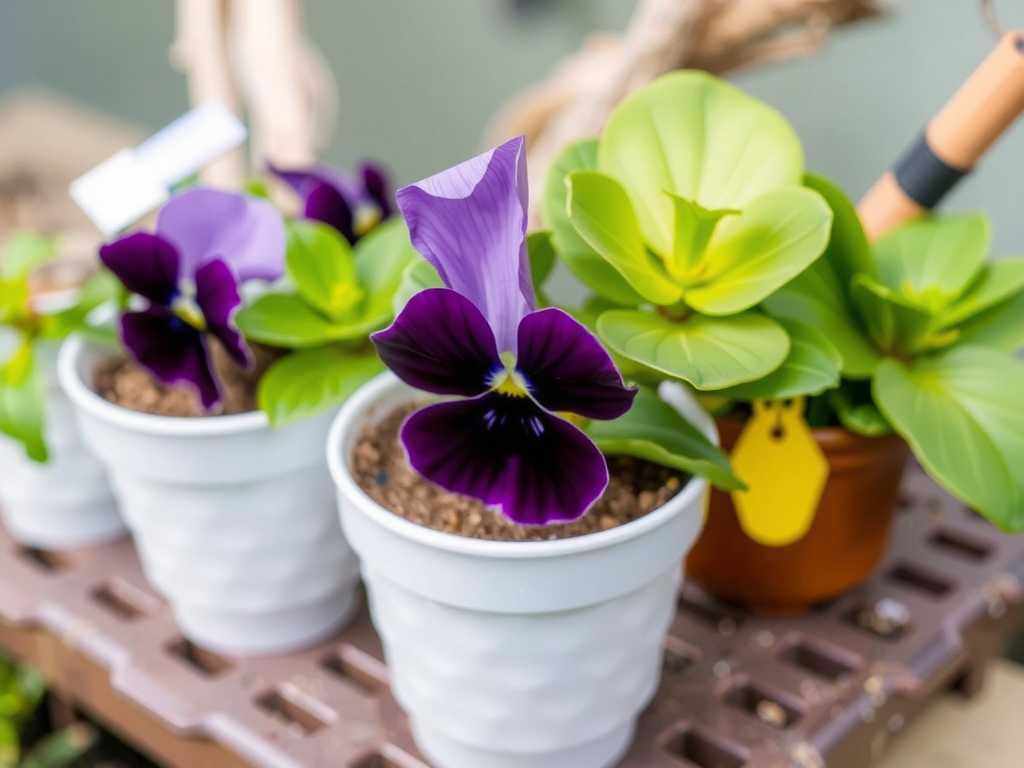
Finding the right temperature for your repotted pansies is an exercise in attentive, gentle stewardship. It’s not about rigid numbers but about providing a stable, cool-conducive environment that allows the plant to direct its energy inward. By prioritizing root recovery in week one and then carefully encouraging growth in week two, you give your pansies the best possible foundation. My two-week experiment proved that a little extra vigilance with the thermometer pays off tenfold in the resilience and beauty of these cheerful blooms. Grab your thermometer, observe your plants, and enjoy the process of helping them settle into their new home.